
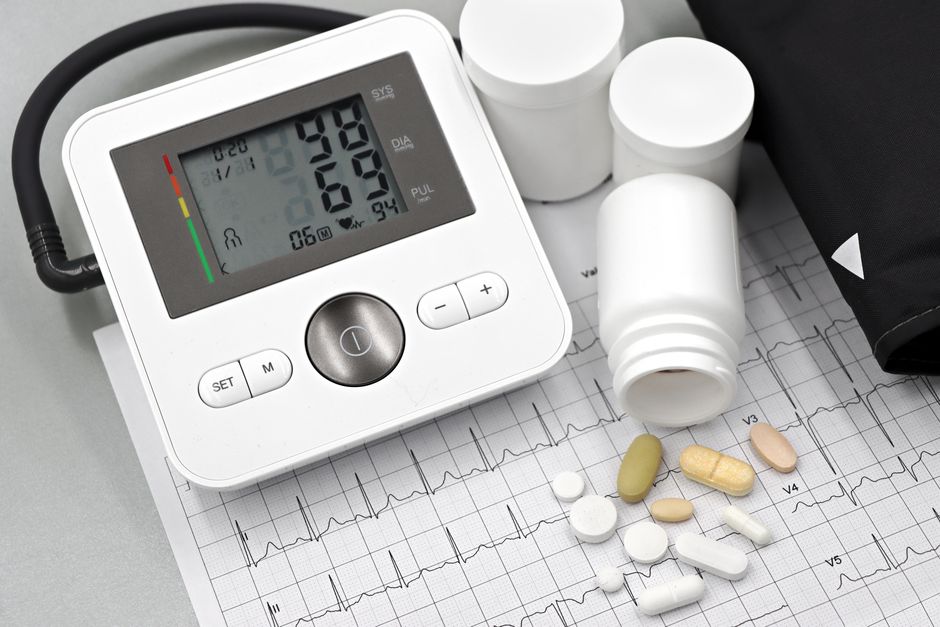
Cardiac arrest is not the same thing as a heart attack, and that difference matters when you are trying to prevent it. Cardiac arrest happens when the heart’s electrical system fails and the heart stops pumping blood. A heart attack happens when blood flow to part of the heart muscle is blocked. A heart attack can trigger cardiac arrest, but most cardiac arrests happen outside the hospital in people who had no obvious warning. The most protective steps are controlling the conditions that damage the heart over time, knowing your personal risk, and recognizing the difference between feeling unwell and a true emergency.
What Actually Causes Cardiac Arrest?
Most cardiac arrests in adults are caused by an abnormal heart rhythm called ventricular fibrillation. Instead of beating in an organized way, the lower chambers of the heart quiver. Blood stops circulating. Brain damage can begin within minutes.
The underlying problem is usually one of a few things. Coronary artery disease — narrowed or blocked arteries — is the most common contributor in adults. Scar tissue from a previous heart attack is another major cause, because scarred heart muscle can disrupt electrical signals. Other causes include inherited heart rhythm disorders, severe electrolyte imbalances, structural heart disease, and, less often, a blow to the chest at a specific moment in the heartbeat cycle.
There is a common misunderstanding worth clearing up. Cardiac arrest is not a plumbing problem that slowly builds. It is an electrical event that happens suddenly. That is why prevention focuses on the conditions that make the heart vulnerable, not on spotting a single symptom.
What Raises Your Risk of Cardiac Arrest?
The strongest risk factors are the same ones that drive heart disease generally. They tend to cluster, and each one adds to the others.
- Coronary artery disease, including a prior heart attack
- Heart failure or a weakened pumping function
- High blood pressure, especially when untreated over years
- Diabetes and poorly controlled blood sugar
- High LDL cholesterol
- Smoking
- Obesity and a sedentary lifestyle
- A family history of sudden cardiac death or inherited heart conditions
Some risks are less obvious. Heavy alcohol use, stimulant drug use, and untreated sleep apnea have all been linked to higher risk of dangerous heart rhythms. A family history of sudden death in a young relative is a signal worth mentioning to a doctor, because it can point to an inherited condition that standard screening might miss.
Age matters too. Risk rises with age, though cardiac arrest does occur in younger adults and, rarely, in children — often from inherited conditions or structural heart defects rather than artery disease.
How Can You Prevent Cardiac Arrest Before It Happens?
Prevention works on two levels: lowering your long-term risk of heart disease, and identifying and treating specific electrical or structural problems if you have them.
Control the Conditions That Damage the Heart
Managing blood pressure, cholesterol, and blood sugar is the foundation. For most adults, a healthy blood pressure is below 120/80 mm Hg, though targets are set individually by a clinician. Fasting glucose between 70 and 99 mg/dL is considered normal. These are established reference ranges, and keeping numbers in a healthy range reduces the strain on the heart and arteries over decades.
Lifestyle steps that carry consistent evidence include not smoking, staying physically active, eating a diet rich in vegetables, fruit, whole grains, and lean protein, and limiting processed foods and excess alcohol. These are not dramatic interventions. They work slowly and cumulatively.
Treat Heart Disease If You Have It
If you already have coronary artery disease, heart failure, or a prior heart attack, treatment is not optional. Medications such as statins, blood pressure drugs, and drugs that reduce the heart’s workload have been shown to lower the risk of serious cardiac events. In some people with weakened heart function, an implantable cardioverter-defibrillator — a small device that shocks the heart back into rhythm — can prevent sudden death. This is a decision made by a cardiologist based on specific criteria.
Revascularization procedures, such as stents or bypass surgery, restore blood flow in blocked arteries. These treat the underlying disease but do not guarantee protection against every rhythm problem.
Know Your Family History
Some inherited conditions, including certain channelopathies and cardiomyopathies, cause cardiac arrest in people who otherwise seem healthy. If a close relative died suddenly before age 50, or drowned unexpectedly, or had unexplained fainting, that information belongs in your medical record. Genetic testing and cardiac evaluation may be appropriate for some families, though this is a specialized area and not a routine screening step for everyone.




Does Screening Help Prevent Cardiac Arrest?
Routine screening for cardiac arrest risk in people without symptoms is not straightforward, and the evidence does not support universal testing. What is supported is evaluating risk factors during regular checkups — blood pressure, cholesterol, blood sugar, smoking status, and family history.
An electrocardiogram, or ECG, records the heart’s electrical activity. It can detect some rhythm and conduction problems. It is commonly used when there are symptoms or specific risk factors, but its value as a screening tool in healthy adults without symptoms is debated. Some clinicians recommend it for certain groups, such as athletes or people with a strong family history. It is not established as a routine test for everyone.
For people with symptoms like chest pain, shortness of breath, fainting, or a racing or irregular heartbeat, evaluation is different. Those symptoms warrant prompt medical attention, and testing is guided by what the clinician finds.
What Symptoms Should Never Be Ignored?
Cardiac arrest itself has almost no warning — a person collapses, stops breathing normally, and becomes unresponsive. But the conditions that lead to it often do give signals in the days or weeks before.
Warning signs worth taking seriously include chest pressure or pain, especially with exertion; shortness of breath; fainting or near-fainting; a racing, fluttering, or pounding heartbeat; and unusual fatigue or dizziness. These symptoms do not always mean something dangerous, but they should not be dismissed, particularly if they are new or worsening.
The distinction between a heart attack and cardiac arrest matters here. A heart attack often comes with warning signs and gradual onset. Cardiac arrest is immediate. If someone collapses and is not breathing normally, that is a cardiac arrest, and it requires calling emergency services and starting CPR right away.
Why CPR and AEDs Matter for Prevention
This may seem like it belongs in a treatment article, not a prevention one. But the reality is that most cardiac arrests happen outside a hospital, and survival depends heavily on what bystanders do in the first few minutes.
CPR keeps blood moving to the brain and vital organs until emergency help arrives. An automated external defibrillator, or AED, delivers a shock that can restore a normal rhythm in certain cases. AEDs are increasingly available in public places, and they are designed to be used by people without medical training. The device gives spoken instructions.
Learning CPR and knowing where AEDs are located in your workplace or community is a practical step. It does not prevent cardiac arrest from happening, but it dramatically improves the odds for someone who has one.
Can Lifestyle Changes Really Lower Your Risk?
Yes, but the effect is gradual and works through the conditions above. No single habit prevents cardiac arrest on its own. The evidence is strongest for not smoking, controlling blood pressure, and staying physically active.
Physical activity is worth a specific note. Regular moderate exercise improves heart function, helps control weight and blood pressure, and is associated with lower risk of heart disease. Extremely intense endurance exercise in people with underlying heart conditions is a different situation and should be discussed with a doctor, but for most people, the risk of inactivity is far greater than the risk of moderate exercise.
Diet quality matters over years, not days. There is no food or supplement that has been shown to prevent cardiac arrest. Claims that a specific product protects the heart should be treated with skepticism unless they come from large, well-controlled trials — and most do not.
What About People With No Known Risk Factors?
Cardiac arrest does sometimes happen in people who seemed completely healthy. This is uncommon but real, and it is usually linked to an inherited condition, an undiagnosed structural problem, or an electrical abnormality that standard tests might not catch.
This is why family history is so important. If a young, apparently healthy relative died suddenly, that pattern is a red flag that deserves medical attention, even if you feel fine. It is also why knowing CPR matters — it is the one intervention that helps when prevention fails.
For the majority of adults, the path is less dramatic. Control the conditions you can control. Get regular checkups. Take symptoms seriously. And understand that prevention is a long game, not a single test or pill.
Frequently Asked Questions
Can cardiac arrest be prevented?
Many cases can be prevented by controlling heart disease risk factors like high blood pressure, diabetes, and smoking. However, some cardiac arrests occur in people with no known risk factors, often due to inherited conditions.
What is the difference between a heart attack and cardiac arrest?
A heart attack is a circulation problem where blood flow to the heart muscle is blocked. Cardiac arrest is an electrical problem where the heart suddenly stops pumping blood.
Does an ECG screen for cardiac arrest risk?
An ECG can detect some heart rhythm and conduction problems, but its value as a routine screening test in healthy adults without symptoms is debated. It is more commonly used when symptoms or specific risk factors are present.
What should I do if someone collapses and is not breathing?
Call emergency services immediately and begin CPR if you are trained, or follow dispatcher instructions. Use an AED if one is available, as it can restore a normal rhythm in some cases.
