
Calluses from weightlifting are your skin’s way of protecting itself. When you grip a bar, the friction and pressure tell your skin to build up a thicker layer. This is a natural response, and a certain amount of callus formation is normal. However, when calluses get thick, they can crack, tear, or snag, which can force you to take time off from training. The goal is not to have perfectly soft hands, but to manage the callus so it stays smooth, flat, and pain-free.
To prevent problem calluses, you need to manage friction, moisture, and skin thickness. This involves using proper grip technique, choosing the right gear, and maintaining a simple skincare routine. You don’t need expensive products or complicated rituals. You need consistency and the right information.
Why Do Calluses Form On Your Hands From Lifting?
Calluses form through a process called hyperkeratosis. When the skin on your palms experiences repeated friction or pressure, the outer layer of skin cells produces more keratin. Keratin is the tough protein that makes up your skin, hair, and nails. The extra keratin builds up to create a protective pad.
In weightlifting, the main culprit is the grip. When you hold a barbell or dumbbell, the skin on your palm bunches up in folds. When the bar presses down on those folds, it creates high-pressure points. This is why calluses often form in specific spots, like right under your fingers or at the base of your palm. The friction from the knurling on the bar also plays a role. Knurling is the crosshatch pattern on the bar that helps you grip it, but it also increases friction on your skin.
It is important to understand that calluses are a sign of adaptation. Your skin is getting tougher to handle the stress of lifting. The problem is not the callus itself. The problem is when the callus becomes too thick and detached from the deeper layers of skin. This creates a flap that can catch and tear.
How To Prevent Calluses On Hands From Weightlifting: The Core Steps
Prevention focuses on reducing the pinching of the skin and managing the thickness of the callus. You can do this with a few specific techniques.
Grip the bar correctly. The most common mistake is gripping the bar in the center of your palm. This creates a large fold of skin that gets pinched. Instead, you want the bar to sit higher, closer to the base of your fingers. This position is often called the “false grip” or a “secure grip.” It reduces the amount of loose skin under the bar. When you pull, the bar should rest against the calluses on your fingers, not the soft pad of your palm.
Use chalk or a liquid grip. Chalk dries out your hands. This is helpful because sweat makes the skin sticky and increases friction. Dry skin allows the bar to move slightly against your hand rather than gripping and pulling on the skin. Many gyms do not allow traditional chalk. Liquid chalk or grip aids are a good alternative. They provide the same drying effect without the mess.
Wear lifting gloves or grips. This is a personal choice. Gloves add a layer of padding between your skin and the bar. This can reduce friction, but it also increases the diameter of the bar you are holding. This can make it harder to grip heavy weights. Some lifters find gloves cause more calluses because the fabric bunches up. Lifting grips, which are small leather or neoprene pads that cover the palm, are a popular alternative. They protect the palm while allowing your fingers to grip the bar directly.
Do not ignore the pain. If a callus hurts during a lift, you are doing something wrong. The bar is likely pinching the skin. Adjust your grip. Stop the set if necessary. Pushing through the pain can lead to a tear.
The Right Skincare Routine For Lifting Hands
Skincare for calluses is about maintenance, not luxury. You are trying to keep the skin tough but pliable. Skin that is too dry will crack. Skin that is too moist will be soft and prone to tearing.
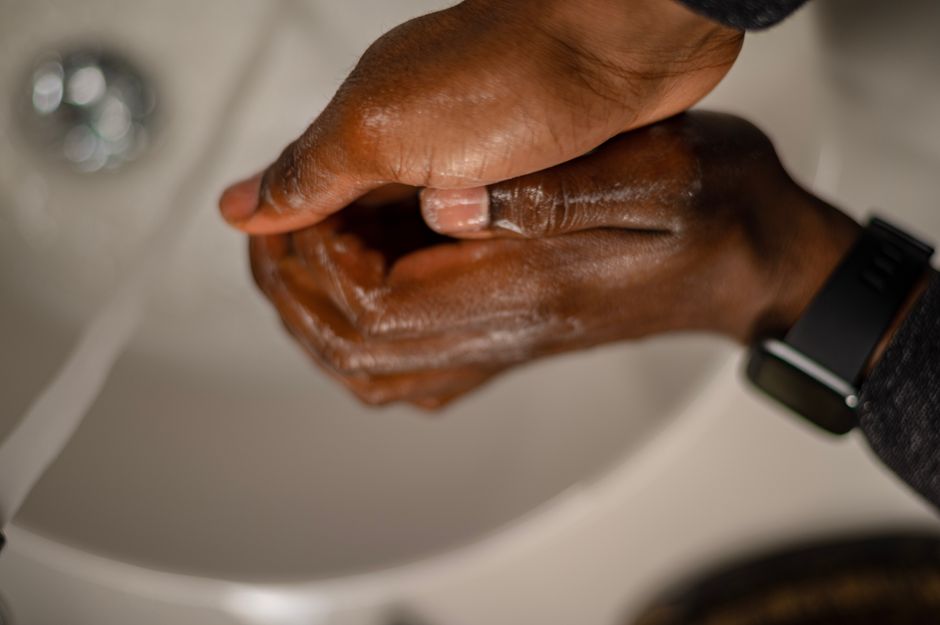
Wash your hands after lifting. This removes sweat, dirt, and chalk residue. Use a mild soap and warm water. Do not scrub aggressively. Pat your hands dry with a towel.
Moisturize daily. This is the most important step for preventing painful cracks. A simple hand cream or lotion works. The goal is to keep the skin hydrated so it remains flexible. Focus on the callused areas. Some lifters prefer creams containing urea or lactic acid. These ingredients help soften thick skin over time. Apply moisturizer after washing your hands and before bed.
Do not pick at calluses. It is tempting to peel or bite off loose skin. This can create a tear that goes deeper than the callus. If you have loose skin, clip it off with clean nail clippers, leaving the healthy callus intact.




How To Safely File Down Thick Calluses
When a callus starts to protrude above the surrounding skin, it is time to file it down. This keeps the callus flat and prevents it from catching on the bar. Do this after a shower or bath when your skin is soft and pliable.
Use a pumice stone, a callus file, or a fine-grit sanding block. Gently rub the callus in one direction. Do not scrub hard. You want to remove the raised portion of the callus, not the entire thing. The goal is to make it level with the rest of your palm. Stop when the skin feels smooth. If you see pink skin or feel any pain, you have gone too far. You should never draw blood.
Filing once or twice a week is usually enough for most lifters. If you find you need to file more often, you may be building calluses too quickly. Reassess your grip technique and your training frequency.
What To Do If A Callus Tears
Even with perfect prevention, tears happen. A torn callus is an open wound. It needs immediate care to prevent infection.
First, clean the area with soap and water. If there is a flap of skin, you can leave it in place or trim it off with clean scissors. Leaving the flap can protect the tender skin underneath, but it can also catch on things. Trimming it flat is often easier to manage. Apply an antibiotic ointment and cover the area with a bandage.
Keep the wound covered during your next few workouts. You can use a liquid bandage, which dries to form a protective layer. This allows you to grip the bar without the bandage slipping. Once the skin has healed and the tenderness is gone, you can return to normal training. Do not train through an open tear. The risk of infection is not worth it.
Does Grip Strength Training Help Prevent Calluses?
Improving your grip strength can indirectly help with callus prevention. When your grip is strong, you are less likely to adjust your hands mid-set. Adjusting your grip creates friction and pinches the skin. A solid, static grip reduces this movement.
Some lifters use grip strengtheners or do farmer’s carries to build grip endurance. This is a good idea for overall performance. However, it is not a substitute for proper hand placement on the bar. A strong grip with poor technique will still produce calluses. Focus on grip placement first, then on building strength.
Are There Any Medical Risks From Calluses?
For most healthy people, calluses are a cosmetic issue and a nuisance. They are not dangerous. The main risks are tearing, cracking, and infection. A cracked callus can be very painful and may bleed. If the area around a torn callus becomes red, swollen, or warm, it may be infected. You should see a doctor if you suspect an infection.
People with diabetes or conditions that affect circulation need to be more careful. Their skin heals slower and infections can be more serious. If you have a medical condition that affects your skin or healing, talk to your doctor before starting a routine of filing or trimming calluses. They can give you specific advice for your situation.
Frequently Asked Questions
Should I wear gloves to prevent calluses?
Gloves can help reduce friction, but they are not a guaranteed solution. Many lifters find that gloves bunch up and still cause calluses, so it depends on your grip and the glove fit.
How often should I moisturize my hands?
You should moisturize at least once a day, ideally after washing your hands and before bed. Consistent daily moisturizing keeps the skin flexible and prevents cracks.
Can I lift with a torn callus?
No, you should not lift with an open tear. Cover it with a liquid bandage and let it heal to avoid infection and further damage.
Is it bad to use a pumice stone on calluses?
No, using a pumice stone on thick calluses is a safe and effective way to keep them flat. Do it after a shower when the skin is soft, and stop if you feel any pain.
