
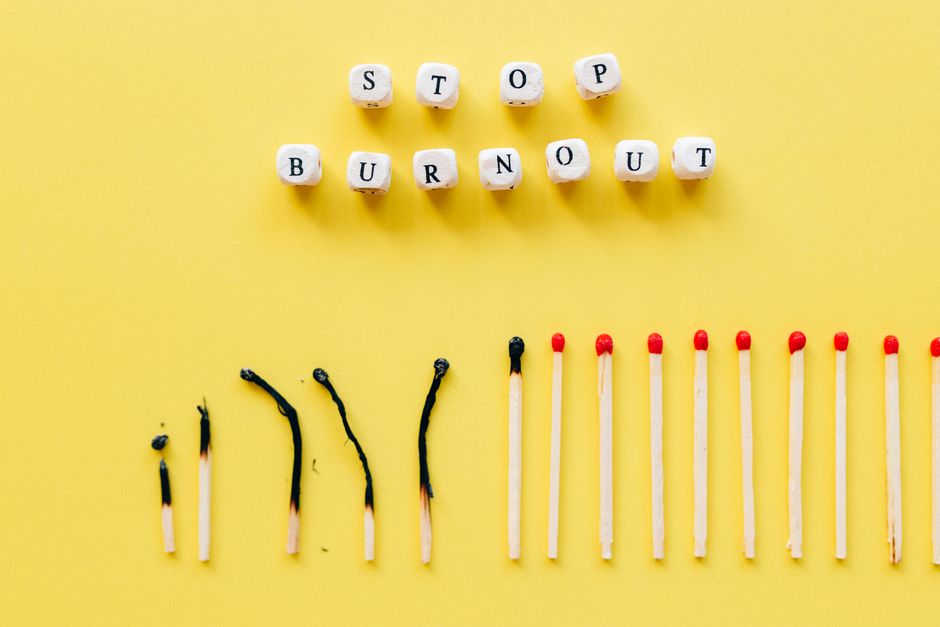
Burnout in healthcare is not a personal failing or a sign of weakness. It is a predictable response to chronic workplace stress, and the strongest evidence points to workplace conditions — not individual resilience — as the primary driver. Preventing it means changing how work is structured, staffed, and supported, while also giving individuals practical tools that help within those limits.
What Is Burnout, Exactly?
Burnout is a recognized occupational phenomenon, not a medical diagnosis. The World Health Organization includes it in its classification of diseases as a syndrome tied specifically to chronic workplace stress that has not been successfully managed.
It has three defining features:
- Exhaustion — feeling drained and depleted, often before the workday even begins.
- Cynicism or detachment — a growing emotional distance from patients, colleagues, or the job itself.
- Reduced sense of accomplishment — feeling ineffective or that the work no longer matters.
All three need to be present for burnout to apply. Exhaustion alone, however severe, is not the same thing. This distinction matters because it shapes what actually helps. If the problem were only fatigue, rest would fix it. Burnout is broader than that.
Why Are Healthcare Workers So Vulnerable?
Healthcare combines several conditions that research consistently links to burnout: high emotional demand, heavy workload, limited control over schedules and decisions, and repeated exposure to suffering and death.
Long shifts and irregular hours disrupt sleep. Administrative tasks pull time away from patient care. Staffing shortages mean fewer people absorb the same volume of work. And the emotional weight of caring for sick people does not switch off at the end of a shift.
A key insight often missed: burnout rates in healthcare tend to track with workload and organizational factors more than with the personalities of the people doing the job. When researchers compare specialties, the differences usually reflect working conditions, not who chose that field.
How To Prevent Burnout In Healthcare What Works?
The interventions with the strongest support change the workplace itself. Individual coping strategies can help, but they cannot fix a system that is structurally overwhelming.
What the evidence supports most consistently:
- Reducing and redesigning workload. Adjusting patient-to-staff ratios, cutting redundant documentation, and removing low-value tasks reduce the chronic demand that drives exhaustion.
- Giving staff more control. Letting clinicians influence their schedules, workflows, and decisions is linked to lower burnout. Autonomy appears to matter as much as raw hours.
- Improving teamwork and communication. Strong peer support and clear communication buffer against stress. Isolation makes it worse.
- Leadership that listens. When managers act on staff concerns, burnout tends to fall. When feedback goes nowhere, it rises.
- Addressing scheduling and sleep. Predictable, humane schedules that allow adequate recovery between shifts support both safety and staying power.
The pattern across studies is consistent: organizational change outperforms programs that place the burden on individuals to cope better.





Do Wellness Programs and Resilience Training Help?
They help somewhat, but they are not the main solution. This is one of the most misunderstood points in the entire field.
Programs like mindfulness training, stress management classes, and resilience workshops can give individuals useful tools. Some studies show modest benefits for stress and emotional exhaustion. But when the underlying workload and staffing problems remain unchanged, these programs rarely resolve burnout on their own.
There is a real risk in leaning on them too heavily. If an organization offers yoga classes while continuing to understaff shifts, it can send the message that the problem is the worker’s inability to cope. That framing tends to increase cynicism rather than reduce it.
The honest position: individual tools are worth having, but they work best as a complement to structural change, not a replacement for it.
What Can Individuals Do Within Their Limits?
Even when you cannot change the system, some strategies have reasonable support. They will not fix a broken workplace, but they can reduce the daily toll.
- Protect sleep. Sleep is one of the strongest buffers against stress. Shift work makes this hard, but consistent sleep timing and a dark, quiet sleep environment help.
- Take breaks that actually rest. A break spent catching up on charts is not recovery. Short, genuine pauses between demanding tasks help regulate stress.
- Stay connected to colleagues. Peer support is protective. Talking with people who understand the work reduces isolation.
- Set boundaries where you can. This is difficult in healthcare and not always possible. But small limits — protecting certain off-hours, saying no when able — matter over time.
- Notice the early signs. Cynicism and detachment often appear before full exhaustion. Catching them early makes a difference.
None of this shifts responsibility onto the individual. It is simply what remains within reach when structural change is slow.
When Should Someone Seek Help?
Burnout overlaps with depression and anxiety, and the two can look similar. Persistent low mood, loss of interest in things you used to enjoy, sleep that does not recover you, or thoughts of self-harm are reasons to seek professional help.
If you are having thoughts of harming yourself, contact a crisis line or emergency services right away. In the US, you can call or text 988 to reach the Suicide and Crisis Lifeline.
Burnout itself is not treated with medication. But when it overlaps with a mental health condition, treatment for that condition can help. A clinician can tell the difference and recommend a path forward.
What Actually Changes the Outcome?
Lasting prevention happens at the level of the workplace. The evidence keeps pointing the same direction: fix the workload, restore control, support teams, and listen to staff.
Organizations that measure burnout and act on the results do better than those that treat it as an individual problem. This means tracking workload, staffing, and staff feedback — then making real changes, not just collecting data.
For individuals, the practical takeaway is twofold. Use the tools that help you cope day to day. And recognize that if you are burning out despite doing everything right, the problem may not be you. That recognition is not an excuse. It is accurate, and it points to where the real fix lies.
Frequently Asked Questions
Is burnout a medical diagnosis?
No. The World Health Organization classifies burnout as an occupational phenomenon, not a medical condition. It is defined by exhaustion, cynicism, and reduced sense of accomplishment tied to chronic workplace stress.
Can resilience training prevent burnout on its own?
No. Some studies show modest benefits for stress, but resilience training does not fix underlying workload and staffing problems. It works best alongside organizational change, not instead of it.
What is the most effective way to prevent burnout in healthcare?
Changing workplace conditions — reducing workload, increasing staff control, and improving teamwork — has the strongest evidence. Individual coping strategies help but cannot replace structural fixes.
When should a healthcare worker seek professional help?
Seek help if you have persistent low mood, lose interest in things you once enjoyed, or have thoughts of self-harm. In the US, call or text 988 for the Suicide and Crisis Lifeline if you are in crisis.
