
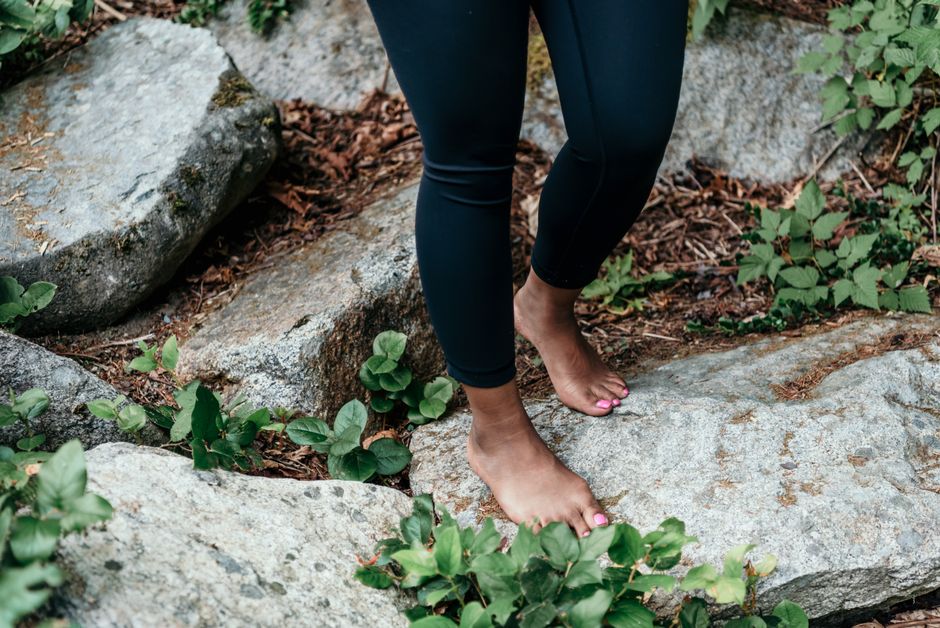
Blisters on your feet from walking are caused by friction, moisture, and pressure working together. You can prevent most of them by choosing the right socks, breaking in your shoes slowly, and keeping your feet dry. The key is stopping the rubbing before it damages your skin.
What Actually Causes Blisters When You Walk?
Blisters form when your skin rubs against something repeatedly. In walking, that something is usually your sock or shoe. The friction separates the outer layer of skin from the layer underneath. Fluid fills the space to protect the raw tissue.
Moisture makes this worse. Sweaty feet create more friction than dry feet. A 2014 study in the Journal of Athletic Training found that wet skin is more likely to blister than dry skin. Heat also plays a role. Warm feet sweat more and the skin softens, making it easier to tear.
Pressure is the third factor. Tight shoes or areas where the shoe presses hard on one spot create hot spots. A hot spot is the warning sign. If you feel one forming, you have time to act before a blister appears.
How To Prevent Blisters On Feet From Walking With the Right Socks
Socks matter more than most people think. Cotton socks are the worst choice for walking. Cotton holds moisture against your skin. It gets wet, stays wet, and increases friction. A study in the Journal of the American Podiatric Medical Association found that synthetic socks reduce blister incidence compared to cotton.
Look for socks made of merino wool, polyester, or nylon blends. These materials wick moisture away from your skin. They dry faster and create less friction. Merino wool is especially good because it regulates temperature and stays comfortable when wet.
Double-layer socks are another option. Some brands make socks with a thin inner layer and a thicker outer layer. The layers rub against each other instead of against your skin. Research from the U.S. Army Research Institute of Environmental Medicine found that double-layer socks reduced blister rates in soldiers during long marches.
Change your socks if they get wet. If your feet sweat heavily, bring a spare pair. Stopping mid-walk to put on dry socks can prevent a blister from forming.
How to Choose and Break In Walking Shoes
Your shoes should fit properly from the start. There should be a thumb’s width of space between your longest toe and the end of the shoe. Your heel should not slip when you walk. If the shoe is too loose, your foot slides and causes friction. If it is too tight, pressure points develop.
Never wear brand new shoes on a long walk. Break them in gradually. Wear them around the house for a few hours. Then take them on short walks of 15 or 20 minutes. Increase the time over a week or two. This lets the materials soften and mold to your feet.
Shoe materials matter too. Leather and canvas stretch and conform to your foot over time. Stiff synthetic materials do not. If you buy a shoe that feels tight in one spot, it will likely stay tight.
Replace your walking shoes when they wear out. The American Academy of Podiatric Sports Medicine recommends replacing walking shoes every 300 to 500 miles. Worn shoes lose cushioning and change how your foot strikes the ground, which can create new friction points.
| Prevention Method | How It Works | Evidence Level |
|---|---|---|
| Moisture-wicking socks | Reduces friction by keeping skin dry | Strong – multiple studies |
| Double-layer socks | Friction happens between layers, not on skin | Strong – military research |
| Proper shoe fit | Eliminates pressure points and sliding | Strong – clinical consensus |
| Gradual break-in period | Allows shoes to conform to foot shape | Moderate – expert opinion |
| Lubricants like petroleum jelly | Reduces friction on high-risk areas | Moderate – some studies |
| Foot powders | Absorbs moisture and reduces friction | Weak – mostly anecdotal |




What About Lubricants, Powders, and Tapes?
Many walkers use products to reduce friction directly on the skin. Petroleum jelly applied to hot spots can help. It creates a slippery layer that reduces rubbing. Some studies suggest it works, but it can also trap moisture if you use too much. Apply a thin layer only.
Anti-friction balms like Body Glide or 2Toms are made specifically for this purpose. They go on dry and do not feel greasy. Some people report they work better than petroleum jelly, though strong comparative studies are limited. These products are worth trying if you get blisters in predictable spots.
Foot powders absorb sweat and reduce moisture. Cornstarch and talcum powder are common choices. The evidence for powders preventing blisters is weaker than for socks or shoe fit. They can help if your feet sweat heavily, but they clump when wet and can actually increase friction once they cake up.
Moleskin and athletic tape are used to protect areas that already have a hot spot or minor irritation. Apply tape directly to the skin over the vulnerable area. Medical paper tape or kinesiology tape works well. A 2016 study in the Journal of Science and Medicine in Sport found that paper tape reduced blister incidence in runners. Do not use duct tape or standard bandage tape, which can irritate the skin further.
Common Mistakes That Cause Blisters
One mistake is wearing new shoes on a long walk without breaking them in. This is the most common cause of blisters in recreational walkers. The materials are stiff and have not shaped to your foot yet. Even a short walk of two miles can create a blister if the shoes are brand new.
Another mistake is ignoring hot spots. A hot spot is the first sign of friction damage. If you feel one forming, stop and address it. Apply tape or a lubricant. Change your socks. Loosen your laces. Waiting and hoping it will go away almost always leads to a blister.
Walking in wet socks is another common error. Rain, puddles, or heavy sweat all create the same problem. Wet skin is weaker and more likely to blister. If your feet get wet, stop and dry them. Put on dry socks if you have them. If you do not have dry socks, wring out the wet ones and put them back on. Dry socks are better, but less wet is still better than fully wet.
Some people think thick socks always help. This is not true. Thick socks can make your shoes too tight, which increases pressure and friction. The right sock for walking is one that fits well and wicks moisture, not necessarily the thickest one you own.
What to Do If You Get a Blister Anyway
If a blister forms, leave it intact if possible. The skin covering the blister is a natural barrier against infection. Do not pop it. Cover it with a blister bandage or moleskin cut into a donut shape. The donut shape relieves pressure around the blister while protecting it.
If the blister is large, painful, or in a spot where it will likely burst on its own, you may need to drain it. The CDC recommends sterilizing a needle with rubbing alcohol. Puncture the blister at the edge, not in the center. Let the fluid drain but leave the skin in place. Apply antibiotic ointment and cover with a bandage. Change the bandage daily.
Signs of infection include increased redness, warmth, pus, or red streaks spreading from the blister. If you see these, see a doctor. People with diabetes or poor circulation should always see a doctor for foot blisters rather than treating them at home.
How Your Walking Form Affects Blisters
Your walking gait can create friction points you might not notice. If you walk with your feet turned inward or outward, certain parts of your foot rub against the shoe more. This is hard to change without professional help, but being aware of it can help you choose better shoes or padding.
Some people develop blisters in the same spot every time. This is a clue that something in your gait or footwear is off. A podiatrist can analyze your walk and recommend changes. Orthotic inserts can help by changing how your foot sits inside the shoe, reducing pressure on vulnerable areas.
Walking on uneven terrain also increases blister risk. Trails, gravel, and hills change how your foot moves inside the shoe. If you are switching from pavement to trails, expect different friction patterns. Adjust your sock choice or tape strategy accordingly.
Frequently Asked Questions
Should I pop a blister on my foot?
No, leave it intact if possible. The skin protects against infection. Only drain it if it is large, painful, or likely to burst on its own.
What is the best sock material for preventing blisters?
Merino wool or synthetic blends like polyester and nylon work best. Cotton holds moisture and increases friction.
How long does it take to break in walking shoes?
Plan for one to two weeks of gradual wear. Start with short walks and increase time slowly so the materials soften.
Can foot powder really prevent blisters?
It can help by absorbing sweat, but the evidence is weaker than for socks or shoe fit. Powders clump when wet and may increase friction.
