
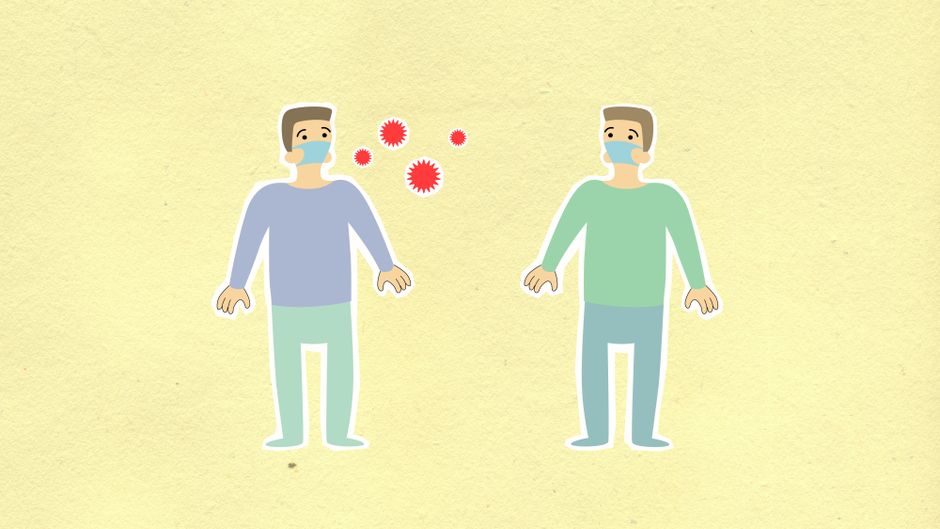
Norovirus is highly contagious and spreads quickly through homes, schools, and offices. The virus survives on surfaces for days and requires only a tiny number of particles to cause infection. Preventing its spread at home comes down to three actions: wash your hands with soap and water, disinfect surfaces with bleach-based cleaners, and isolate the sick person’s laundry and bathroom use. Hand sanitizer does not work well against norovirus, so soap and water are essential.
How Does Norovirus Spread Inside a Home?
Norovirus spreads through the fecal-oral route. That means the virus leaves an infected person in vomit or stool and enters another person’s mouth. This happens more easily than most people realize.
An infected person touches a doorknob, light switch, or faucet. You touch the same surface, then touch your mouth or prepare food. That is enough. The virus also becomes airborne briefly when someone vomits, and particles can land on nearby surfaces.
People with norovirus are contagious from the moment symptoms start and for at least two days after symptoms stop. Some people remain contagious for up to two weeks after recovery, though this is less common. This long contagious window is why homes often see multiple family members get sick in sequence.
What Is the Most Effective Way To Kill Norovirus on Surfaces?
Bleach is the most reliable disinfectant against norovirus. The virus has a protein shell that resists many common cleaners. Alcohol-based sprays and wipes, including hand sanitizer, do not reliably kill it.
The Centers for Disease Control and Prevention recommends a bleach solution of 5 to 25 tablespoons of household bleach per gallon of water. For a typical home setting, a simpler ratio works: 1/3 cup of bleach per gallon of water, or about 2 tablespoons per quart. Mix fresh daily because bleach loses strength quickly after dilution.
Apply the solution to hard, non-porous surfaces and let it sit for at least five minutes. Then rinse with clean water if the surface touches food. Wear gloves while cleaning and open windows for ventilation.
For surfaces that cannot tolerate bleach, such as some electronics or fabrics, steam cleaning at temperatures above 170°F can inactivate the virus. No standard disinfectant wipe without bleach should be trusted for norovirus cleanup.
How To Prevent Norovirus From Spreading At Home During an Active Illness
When one person is sick, the goal is to create a barrier between them and everyone else. This barrier is not about being rude — it is about breaking the transmission chain.
Designate one bathroom for the sick person if your home has more than one. If you only have one bathroom, clean the toilet and sink with bleach solution after every use. Close the toilet lid before flushing. Flushing with the lid open sends virus particles into the air.
The sick person should stay in one room and avoid common areas until 48 hours after their last symptom. This includes vomiting, diarrhea, and fever. Do not let them prepare food for anyone while sick and for at least two days after recovery.
Keep their dishes separate. Wash them in the dishwasher on the hottest cycle, or hand wash with hot soapy water followed by a bleach rinse. Do not share towels. Give the sick person their own hand towel and change it daily.




How Do You Clean Vomit and Diarrhea Safely?
Cleaning up bodily fluids is the highest-risk moment for household spread. The virus aerosolizes easily, and surfaces become contaminated the moment vomit or stool touches them.
Put on disposable gloves and ideally a face mask before cleaning. Remove as much of the material as possible with paper towels. Place the paper towels directly into a plastic bag and seal it.
Do not mop or wipe the area with the same cloth you used to remove the initial material. That spreads the virus. After removing the bulk material, apply bleach solution to the entire affected area and let it sit for five minutes before wiping clean.
Wash your hands thoroughly with soap and water immediately after removing your gloves. Do not touch your face during cleanup. If vomit landed on fabric, remove the fabric and wash it separately in hot water.
What Laundry Precautions Are Needed?
Norovirus survives on fabric. Contaminated clothing, sheets, and towels need careful handling.
Wear gloves when collecting contaminated laundry. Hold the items away from your body and avoid shaking them. Shaking releases virus particles into the air.
Wash contaminated items in the hottest water the fabric allows. Use a regular laundry detergent and add bleach if the fabric is white and bleach-safe. Dry on high heat. The combination of hot water and high-heat drying inactivates the virus.
Wash your hands after handling dirty laundry, even if you wore gloves. The virus transfers easily from gloves to other surfaces you touch.
Why Is Handwashing More Important Than Hand Sanitizer?
Norovirus is not enveloped like influenza or coronaviruses. It has a sturdy protein capsid that alcohol-based sanitizers cannot break down. Soap works differently. Soap lifts the virus off your skin, and the mechanical action of rubbing your hands for 20 seconds washes it down the drain.
Handwashing is the single most effective personal action to prevent norovirus spread. Wash with plain soap and running water for at least 20 seconds. Pay attention to under your nails and between your fingers. Dry with a clean towel or paper towel.
Hand sanitizer has a place in the home, but not for norovirus. If soap and water are unavailable, sanitizer is better than nothing, but understand its limits. The CDC explicitly states that alcohol-based hand sanitizers are not effective against norovirus.
Remind children to wash their hands after using the bathroom and before eating. Children are common spreaders because they touch surfaces constantly and often do not wash thoroughly.
How Long Does Norovirus Live on Household Surfaces?
Norovirus can survive on hard surfaces for days to weeks. Research shows it remains infectious on stainless steel and plastic for up to two weeks under typical indoor conditions. On porous surfaces like fabric and carpet, survival time is shorter but still significant.
Room temperature and humidity affect survival. The virus survives longer in cool, dry conditions. This durability is why a single contaminated doorknob can infect multiple family members over several days.
This is also why cleaning should happen promptly and thoroughly. Waiting until the sick person feels better is too late. The virus has already established itself on surfaces throughout the home.
Can Food Become Contaminated in the Home?
Yes, and this is a common route of spread. If the sick person prepares food, they can transfer the virus to everything they touch. Salads, sandwiches, and other ready-to-eat foods are especially risky because they are not cooked after preparation.
If you are caring for someone with norovirus, do not prepare food for others until you have washed your hands thoroughly. Ideally, the person who is not caring for the sick individual should handle all food preparation.
Fruits and vegetables from the store should be rinsed under running water before eating. This does not fully eliminate norovirus risk, but it reduces surface contamination. Cooking kills norovirus. Heat above 145°F inactivates the virus, so fully cooked foods are safe.
Shellfish, particularly oysters, are a known norovirus source because they filter contaminated water. Always cook shellfish thoroughly. Do not eat raw or undercooked oysters, especially during an outbreak.
When Is It Safe To Stop Precautions?
The contagious period does not end when symptoms stop. A person can shed norovirus for days after they feel better.
Standard guidance is to wait at least 48 hours after the last episode of vomiting or diarrhea before returning to normal activities. This applies to work, school, and shared spaces within the home.
Continue disinfecting high-touch surfaces — doorknobs, light switches, remote controls, refrigerator handles — for several days after the sick person recovers. The virus may still be present on surfaces even after symptoms have resolved.
Frequently Asked Questions
Does hand sanitizer kill norovirus?
No. Hand sanitizer does not reliably kill norovirus. Wash hands with soap and running water for at least 20 seconds instead.
How long does norovirus live on surfaces?
Norovirus can survive on hard surfaces like doorknobs and counters for up to two weeks. Clean with a bleach solution to kill it.
Can you get norovirus from someone before they have symptoms?
Yes. People can shed the virus before symptoms appear and remain contagious for at least two days after symptoms stop.
Is it safe to share food with someone who had norovirus?
No. Wait at least 48 hours after their last symptom before sharing food or allowing them to prepare food for others.
