
Bed sores, also called pressure ulcers, are injuries to the skin and the tissue underneath. They happen when pressure cuts off blood flow to an area for too long. The best way to prevent them is to relieve that pressure through regular repositioning, keep the skin clean and dry, and support the body with proper nutrition. No single method works alone. It takes all three — skin care, diet, and positioning — working together.
What Exactly Causes Bed Sores to Form?
Bed sores form when pressure on the skin is stronger than the pressure inside the small blood vessels that supply that area. This pressure stops blood from delivering oxygen and nutrients to the tissue. Without those, the skin and muscle start to break down.
The most common places are over bony parts of the body. The tailbone, heels, hips, elbows, and shoulder blades are all high-risk spots. These areas have very little fat or muscle to cushion the bone against the surface of a bed or chair.
Shear and friction also play a role. Shear happens when the skin stays in place but the deeper tissues shift. This can occur when a person is propped up in bed and slowly slides down. The bone moves but the skin sticks to the bedsheet, stretching and damaging the blood vessels. Friction is simpler — it is the rubbing of skin against a surface, like when someone is pulled across the bed instead of lifted.
Moisture makes things worse. Sweat, urine, or stool softens the skin and makes it more likely to tear. The Agency for Healthcare Research and Quality reports that people with incontinence are at much higher risk for bed sores because of this combination of moisture and pressure.
How Often Should Someone Be Repositioned to Prevent Bed Sores?
Research shows that repositioning every two hours is the standard recommendation for people who are confined to a bed. This is not a random number. Studies published in wound care journals have found that two hours is the typical window before tissue damage begins in most people.
For people in a wheelchair, the recommendation is different. They should shift their weight every 15 to 30 minutes. Small movements like leaning forward, side to side, or doing wheelchair push-ups help restore blood flow. If the person cannot move themselves, a caregiver needs to help.
The two-hour rule is not absolute. Some people can go longer without damage. Others need to be moved more often. People with thinner skin, poor nutrition, or existing health problems like diabetes may need repositioning every hour. A nurse or wound care specialist can help set the right schedule.
When repositioning, avoid dragging the person across the sheets. Lift them instead. Use a draw sheet or a lift device if available. Dragging creates friction that can damage the skin even if the pressure is relieved.
What Role Does Skin Care Play in Prevention?
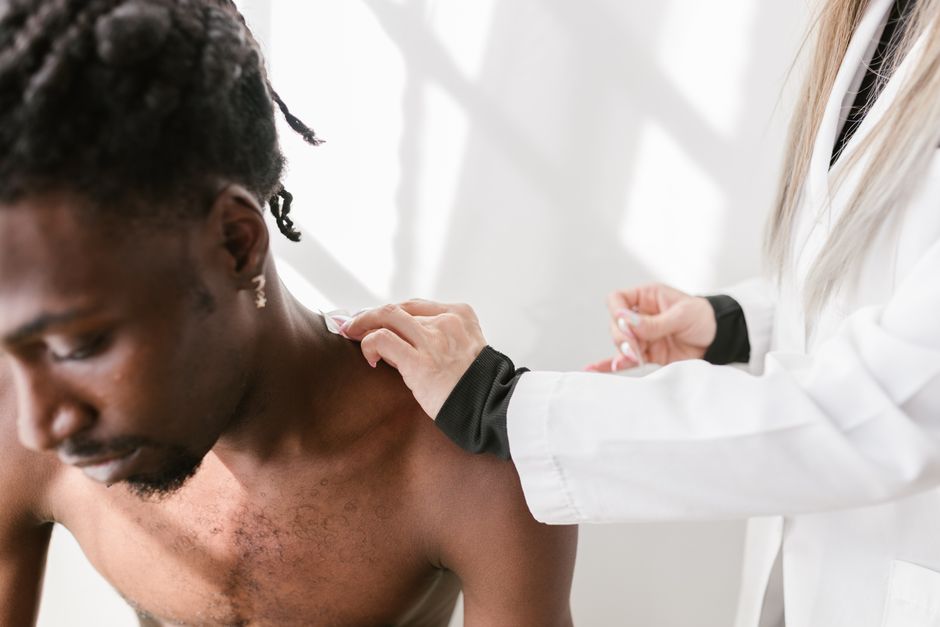
Daily skin inspection is the foundation of bed sore prevention. The National Pressure Injury Advisory Panel recommends checking the skin at least once a day. Look for any red spots that do not turn white when you press on them. That redness means blood flow was blocked and the tissue is irritated. If the redness does not fade within 30 minutes of pressure being removed, damage may have already started.
Keep the skin clean and dry. Use a mild cleanser that does not strip natural oils. Rinse thoroughly and pat dry — do not rub. Pay special attention to skin folds and areas that stay moist. Apply a moisturizer to dry skin but avoid over-moisturizing areas that stay damp.
Barrier creams or ointments can help protect skin that is exposed to moisture from incontinence. Products containing zinc oxide or petroleum jelly create a protective layer. These are not treatments for existing sores but they help prevent new ones from starting.
Do not massage bony prominences. This was once recommended but research has shown it can damage the small blood vessels under the skin. Gentle rubbing is fine for applying lotion but do not press hard on the tailbone, hips, or heels.




How Does Diet Help Prevent Bed Sores?
Good nutrition gives the skin and tissues the raw materials they need to stay strong and repair themselves. Without enough protein, vitamins, and calories, the skin becomes thinner and more fragile. Even with perfect positioning and skin care, a malnourished person is at higher risk.
Protein is the most important nutrient for skin health and wound prevention. The body uses protein to build and repair tissue. Research published in Advances in Skin & Wound Care found that people with low protein intake develop bed sores more often and their existing sores heal more slowly. Good sources include meat, fish, eggs, dairy, beans, and tofu.
Vitamins and minerals also matter. Vitamin C helps produce collagen, which gives skin its structure. Zinc supports cell growth and immune function. Vitamin D and calcium are important for bone health, which indirectly affects how pressure is distributed. A balanced diet with fruits, vegetables, lean protein, and whole grains usually covers these needs.
Hydration is often overlooked. Dehydrated skin is less elastic and more prone to damage. The skin loses its ability to stretch and bounce back, making it easier for pressure and friction to cause injury. Aim for adequate fluid intake unless a doctor has restricted fluids for medical reasons.
For people who cannot eat enough through regular meals, supplements may help. High-protein drinks or vitamin and mineral supplements can fill the gaps. A registered dietitian can assess individual needs, especially for older adults or people with chronic illnesses.
| Nutrient | What It Does | Food Sources |
|---|---|---|
| Protein | Repairs and builds skin tissue | Chicken, fish, eggs, beans, dairy |
| Vitamin C | Helps make collagen for skin strength | Citrus fruits, bell peppers, broccoli |
| Zinc | Supports cell growth and healing | Meat, shellfish, nuts, seeds |
| Vitamin D | Helps maintain bone and muscle health | Fatty fish, fortified milk, sunlight |
| Fluids | Keeps skin hydrated and elastic | Water, broth, juicy fruits |
What Support Surfaces and Tools Actually Help?
Special mattresses and cushions can reduce pressure on the skin. They are not replacements for repositioning but they help extend the time between movements. The key is choosing the right type for the person’s needs.
There are two main categories: pressure-reducing and pressure-relieving. Pressure-reducing surfaces lower the pressure but do not remove it completely. High-density foam mattresses are common examples. Pressure-relieving surfaces alternate the pressure points by inflating and deflating air cells. These are more effective for people at high risk or those who already have a bed sore.
Heel protectors are a simple and effective tool. The heels are especially vulnerable because they are small, bony, and often press directly into the mattress. Pillows placed under the calves can lift the heels completely off the bed. Special heel boots with padding are also available. Do not use donut-shaped cushions — they can actually increase pressure by concentrating it around the ring.
Sheepskin pads and other soft overlays can reduce friction but they do not relieve pressure. They are best used as a comfort measure alongside proper positioning and a good support surface. Check underneath them regularly because they can trap moisture.
Common tools to consider:
- Alternating pressure air mattresses for high-risk individuals
- Foam or gel cushions for wheelchairs
- Pillows or foam wedges for positioning on the side
- Heel boots or calf supports to float the heels
- Draw sheets for lifting rather than dragging
Frequently Asked Questions
Frequently Asked Questions
How often should you reposition someone to prevent bed sores?
Every two hours for bed-bound individuals and every 15 to 30 minutes for those in a wheelchair is the standard recommendation.
Can diet alone prevent bed sores?
No, diet alone cannot prevent bed sores but poor nutrition significantly increases the risk, so it must be part of a complete prevention plan.
What does a stage 1 bed sore look like?
A stage 1 bed sore looks like a red spot that does not turn white when pressed and may feel warmer or firmer than the surrounding skin.
Is it safe to massage the skin over bony areas?
No, research shows that massaging bony areas can damage small blood vessels and should be avoided in bed sore prevention.
