
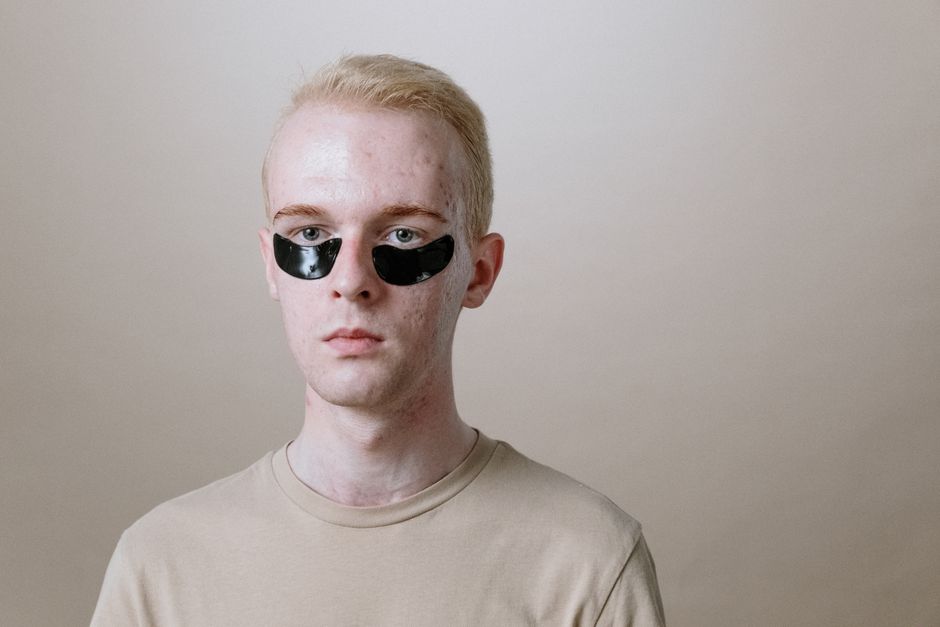
Preventing pimples for teenagers starts with a simple, consistent routine: wash your face twice daily with a gentle cleanser, use a non-comedogenic moisturizer, and apply an over-the-counter benzoyl peroxide or salicylic acid treatment to problem areas. For most teens, clear skin comes from sticking with these basics and avoiding the urge to over-wash, pick, or try too many products at once. The real trick is understanding that acne is a medical condition driven by hormones, not a sign of poor hygiene.
What causes pimples in teenagers?
Pimples happen when hair follicles get clogged with oil and dead skin cells. During puberty, your body produces more androgens. These hormones make your sebaceous glands pump out extra sebum, which is the oily substance meant to keep skin soft. When that excess oil mixes with dead cells, it creates a plug. Bacteria called Cutibacterium acnes then multiply inside the plugged follicle, causing inflammation, redness, and pus.
It is not your fault. Diet and stress play a small role for some people, but the main driver is hormonal. You can keep your skin clean and still break out because the process starts deeper than the surface. Understanding this helps you stop blaming yourself and start treating the actual problem.
How should a teenager wash their face?
Wash your face twice a day — once in the morning and once before bed. Use lukewarm water, not hot. Hot water strips natural oils and can make skin produce even more oil to compensate. Apply a gentle, fragrance-free cleanser with your fingertips. Do not use a washcloth or scrub brush. Rubbing hard irritates the skin and makes acne worse.
After washing, pat your face dry with a clean towel. Do not rub. Rubbing can spread bacteria and irritate existing pimples. If you sweat during the day, rinse your face with plain water afterward and pat dry. That is enough. You do not need to wash a third time unless your face feels greasy.
What ingredients actually work for acne?
Three ingredients have the strongest evidence behind them for teenage acne. Benzoyl peroxide kills the bacteria that cause pimples and helps clear existing ones. Salicylic acid helps unclog pores by breaking down the dead skin cells that form plugs. Adapalene, which used to be prescription-only, is now available over the counter. It is a retinoid that prevents new clogs from forming.
Start with one product at a time. If you use benzoyl peroxide, start with a 2.5% or 5% concentration. Higher strengths do not work better — they just irritate more. Apply a thin layer to your entire face, not just individual pimples. Do this after washing and before moisturizer. If your skin gets red or peels, skip a day and use it every other night until your skin adjusts.




How To Prevent Pimples For Teenagers And Get Clear Skin with moisturizer
Many teens skip moisturizer because they think it makes oily skin worse. That is a mistake. When you strip oil from your skin with cleansers or acne treatments, your skin tries to compensate by producing even more oil. A lightweight, oil-free, non-comedogenic moisturizer prevents this rebound effect.
Look for labels that say “non-comedogenic” or “oil-free.” Gel-based moisturizers work well for oily skin. Apply it right after washing, while your face is still slightly damp. This locks in hydration without clogging pores. If your skin feels tight or flaky after using acne treatments, you definitely need moisturizer. Dry, irritated skin takes longer to heal and makes acne look worse.
Should teenagers pop pimples?
No. Popping a pimple pushes bacteria and pus deeper into the skin. This makes the inflammation worse and increases the chance of a permanent scar or dark spot. It also spreads bacteria to surrounding pores, which can cause more pimples nearby.
If you have a whitehead that is really bothering you, use a pimple patch instead. These small adhesive stickers absorb fluid and create a barrier so you cannot touch the spot. Leave it on overnight. In the morning, the pimple will be flatter and less red. For deep, painful pimples that do not come to a head, see a doctor. Do not try to dig them out yourself.
What about diet and acne?
The evidence on diet is mixed. Some studies suggest that high-glycemic foods — things like white bread, sugary drinks, and candy — may make acne worse for some people. Dairy, especially skim milk, is also linked to acne in some research, but the effect is small and not everyone is affected.
If you suspect certain foods trigger your breakouts, try cutting them out for two to three weeks and see if your skin improves. Then add them back one at a time and watch for a reaction. Do not go on a strict elimination diet unless you have discussed it with a doctor or dietitian. For most teens, diet changes alone will not clear severe acne. Medication or topical treatments are usually needed.
When should a teenager see a doctor for acne?
See a doctor if over-the-counter products do not work after 8 to 12 weeks of consistent use. Also see a doctor if you have deep, painful cysts or nodules. These are the kind of pimples that feel like hard lumps under the skin. They are more likely to scar, and they usually need prescription treatment.
A doctor can prescribe stronger topical medications like tretinoin or clindamycin. They can also prescribe oral medications like antibiotics or, for females, birth control pills that help regulate hormones. For severe cystic acne, isotretinoin (brand name Accutane) is very effective but requires close medical supervision. Do not wait until your skin is badly scarred. The earlier you get treatment, the better your results.
Can makeup cause breakouts?
Yes, some makeup can clog pores and cause breakouts. Look for products labeled “non-comedogenic” or “oil-free.” Mineral-based powders are generally safer than liquid foundations. Always remove all makeup before bed. Sleeping in makeup is one of the fastest ways to get clogged pores.
Clean your makeup brushes and sponges every week. Bacteria build up on them and get transferred to your face. If you use concealer on pimples, apply it with a clean finger or a disposable sponge, not a brush you have used multiple times. Replace liquid foundation every six months. Old products can grow bacteria that cause breakouts.
Does stress cause pimples?
Stress can make existing acne worse, but it does not usually cause acne on its own. When you are stressed, your body releases cortisol. This hormone can increase oil production in your skin. If you are already prone to breakouts, stress can push mild acne into moderate acne.
Managing stress helps your skin, but not as much as a consistent skincare routine. Getting enough sleep, exercising regularly, and finding ways to unwind are good for your overall health. Just do not expect stress reduction alone to clear your skin. It works best alongside proper treatment.
How long does it take to see results?
Most acne treatments take 4 to 8 weeks to show noticeable improvement. Some treatments, like adapalene, can make your skin look worse for the first few weeks before it gets better. This is called purging. It happens because the treatment speeds up the shedding of dead skin cells and brings hidden clogs to the surface faster.
If you do not see any improvement after 12 weeks, switch products or see a doctor. Do not change products every week. Give each one time to work. Jumping between different treatments irritates your skin and makes it harder to tell what is helping.
What about sun exposure?
Sun exposure does not clear acne. It can temporarily reduce redness because UV light has anti-inflammatory effects, but this is not a good solution. The sun damages your skin, increases your risk of skin cancer, and causes premature aging. Some acne medications, especially retinoids and benzoyl peroxide, make your skin more sensitive to the sun.
Wear a non-comedogenic, oil-free sunscreen with SPF 30 or higher every day. If you are using acne treatments, sunscreen is not optional. Sunburned, irritated skin takes longer to heal and can make acne look worse. Look for sunscreens with zinc oxide or titanium dioxide, which are less likely to irritate sensitive skin.
Frequently Asked Questions
Can toothpaste get rid of pimples overnight?
No. Toothpaste can dry out a pimple, but it also irritates the skin and can cause burns or peeling. Stick with products designed for acne.
How often should a teenager wash their face?
Twice a day — morning and night. Washing more often strips natural oils and can make acne worse.
Does eating chocolate cause pimples?
For most people, no. Some studies show a weak link between high-sugar chocolate and breakouts, but the effect is small and varies by person.
Can exercise help clear acne?
Exercise helps by reducing stress and improving circulation, but shower right after to prevent sweat from clogging pores.
