
Oily skin happens when your sebaceous glands produce too much sebum, the natural oil that keeps skin protected. You cannot stop your glands from producing oil entirely — and you should not want to. But you can reduce excess shine, prevent clogged pores, and keep your skin balanced. The most effective approach combines gentle cleansing, the right moisturizer, consistent sun protection, and avoiding harsh products that strip your skin and cause rebound oil production.
What Causes Oily Skin in the First Place?
Your skin has sebaceous glands attached to each hair follicle. These glands produce sebum, which travels up the follicle to the surface. Sebum keeps your skin flexible and acts as a barrier against bacteria and moisture loss.
Some people naturally produce more sebum than others. Genetics plays the biggest role. If your parents had oily skin, you likely will too. Hormones also drive oil production significantly. Androgens — hormones present in both men and women — signal your glands to produce more sebum. This is why oily skin often gets worse during puberty, menstrual cycles, pregnancy, and perimenopause.
One thing many people get wrong: diet does not directly cause oily skin in most people. Some studies suggest high-glycemic foods and dairy may influence oil production in certain individuals, but the evidence is not strong enough to recommend universal dietary restriction. If you notice your skin gets oilier after pizza or milk, it may be worth testing. For most people, genetics and hormones are the real drivers.
How Can You Prevent Oily Skin Without Making It Worse?
The most common mistake people make is over-washing. When you scrub your face multiple times a day with harsh cleansers, you strip away the protective oil barrier. Your skin senses this loss and responds by producing even more oil to compensate. This is the rebound effect, and it is real.
Wash your face twice a day — morning and night — with a gentle, non-stripping cleanser. Look for products labeled “for oily skin” that contain ingredients like salicylic acid, niacinamide, or gentle foaming agents. Avoid cleansers with high alcohol content or strong sulfates that leave your skin feeling tight and dry.
Pat your face dry with a clean towel. Do not rub. Rubbing irritates the skin and can stimulate more oil production.
Does Moisturizer Make Oily Skin Worse?
No. Skipping moisturizer is one of the worst things you can do for oily skin. This is a common myth that causes real problems.
When you apply a moisturizer, you signal to your skin that the barrier is intact. Without moisturizer, your skin feels dry and produces more oil to compensate. The right moisturizer actually helps regulate oil production over time.
Use an oil-free, non-comedogenic moisturizer. Gel-based or water-based formulas work well for oily skin. Ingredients like hyaluronic acid, glycerin, and niacinamide provide hydration without adding greasiness. Apply it to damp skin after cleansing to lock in moisture.




Which Ingredients Actually Help Control Oil?
Some ingredients have real research behind them for reducing oil production or absorbing excess sebum. Here is what works and what does not.
- Niacinamide (vitamin B3). Research consistently shows niacinamide can reduce sebum production over time. It also calms inflammation and improves skin barrier function. Look for concentrations around 2-5% in serums or moisturizers.
- Salicylic acid. This beta hydroxy acid penetrates into the pores and helps clear out excess oil and dead skin cells. It does not stop oil production, but it prevents oil from clogging pores. Use a leave-on product, not just a wash-off cleanser, for best results.
- Retinoids. Prescription retinoids like tretinoin and over-the-counter retinol can reduce oil production by normalizing the life cycle of skin cells. Results take weeks to months. Retinoids also help with acne and signs of aging, making them a strong option for many people.
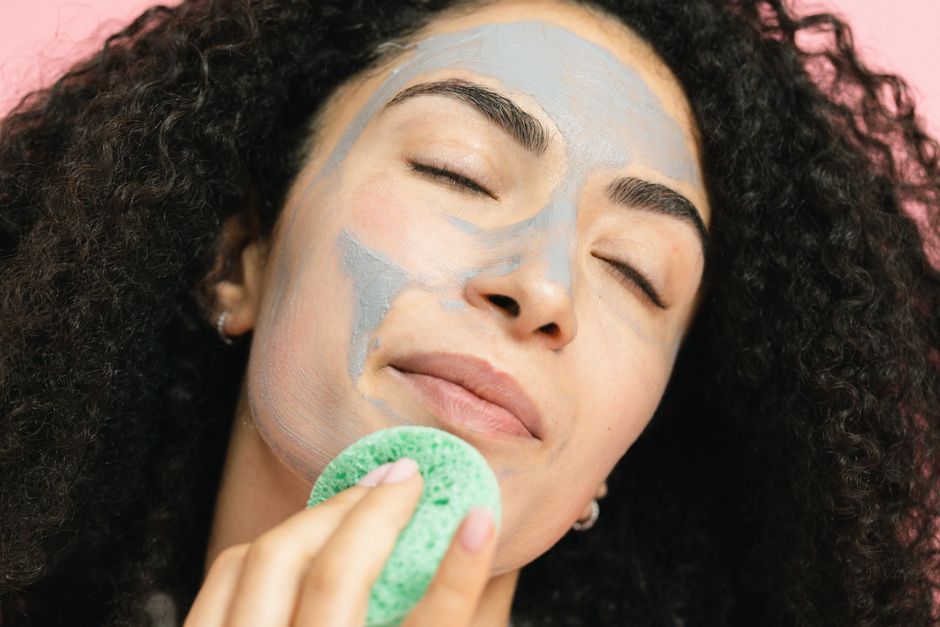
- Clay masks. Kaolin and bentonite clay absorb surface oil temporarily. They do not change your skin’s long-term oil production. Using a clay mask once or twice a week can help manage shine, but overuse can dry out your skin and trigger rebound oil.
- Zinc. Some evidence indicates zinc, especially in the form of zinc pyrithione or zinc oxide, can reduce oil production and calm inflammation. Zinc is common in sunscreens and some treatment products.
Ingredients that are widely claimed but have limited evidence: tea tree oil, witch hazel, and charcoal. Some people report benefit, but strong clinical studies are lacking. Witch hazel especially can be drying and irritating for some skin types.
Does Sunscreen Matter for Oily Skin?
Yes. Sun exposure damages the skin barrier, which can trigger increased oil production as your skin tries to protect itself. UV damage also thickens the outer layer of skin, which can trap oil inside pores and lead to breakouts.
Use a broad-spectrum sunscreen with SPF 30 or higher every day. Many sunscreens now come in lightweight, matte, or oil-free formulations designed specifically for oily skin. Mineral sunscreens with zinc oxide or titanium dioxide can also help absorb excess oil throughout the day.
Skipping sunscreen because it feels greasy is a mistake. The long-term damage from UV exposure — including premature aging, dark spots, and skin cancer — far outweighs any temporary discomfort. Find a formula that works for your skin type and wear it consistently.
Should You Change Your Diet to Control Oily Skin?
The evidence on diet and oily skin is mixed. Unlike acne, where diet may play a clearer role for some people, oily skin itself has weaker connections to what you eat.
Some studies suggest high-glycemic foods — white bread, sugary drinks, processed snacks — may increase oil production in certain individuals. Dairy, particularly skim milk, has also been linked to increased sebum in some research. But these effects vary widely from person to person.
If you suspect a food makes your skin oilier, try eliminating it for two to three weeks and observe. If you notice no difference, it probably is not a trigger for you. There is no universal oily-skin diet. Eating a balanced diet with plenty of vegetables, lean protein, and healthy fats is good for your overall health but is not a guaranteed fix for oily skin.
Can Stress or Sleep Affect Oil Production?
Yes. Stress raises cortisol levels, and cortisol can stimulate sebaceous glands to produce more oil. This is one reason your skin may feel greasier during high-stress periods.
Poor sleep also affects hormone regulation. When you do not sleep enough, your body produces more cortisol and less growth hormone, both of which can influence oil production. Getting seven to nine hours of quality sleep per night and managing stress through exercise, meditation, or other methods may help reduce excess oil over time.
These effects are real but modest. If your skin is genetically oily, stress reduction alone will not eliminate the problem. It is one piece of a larger approach.
When Should You See a Dermatologist?
If your oily skin is causing persistent acne, discomfort, or emotional distress, a dermatologist can help. Prescription treatments like topical retinoids, oral medications, or professional chemical peels can reduce oil production more effectively than over-the-counter products.
Dermatologists can also check for underlying conditions. In rare cases, sudden onset of very oily skin can signal a hormonal imbalance, such as polycystic ovary syndrome (PCOS) in women. If your oily skin appeared suddenly or is accompanied by other symptoms like irregular periods, hair loss, or unexplained weight changes, see a doctor.
For most people, oily skin is a normal variation, not a medical problem. But if it bothers you, professional treatment options exist and work well.
Frequently Asked Questions
How often should I wash my face if I have oily skin?
Wash your face twice a day — once in the morning and once at night. Washing more often can strip your skin and cause it to produce even more oil.
Can oily skin turn into dry skin as I age?
Yes, oil production naturally decreases as you get older. Many people with oily skin in their twenties notice their skin becomes more balanced or even dry in their forties and fifties.
Does drinking water help reduce oily skin?
Drinking water keeps your skin hydrated but does not directly reduce oil production. Staying hydrated supports overall skin health, but it will not stop your glands from producing sebum.
Is it bad to use oil-absorbing sheets during the day?
Oil-absorbing sheets are fine to use as needed during the day. They remove surface oil without stripping your skin. Just blot gently — do not rub or press hard.
