
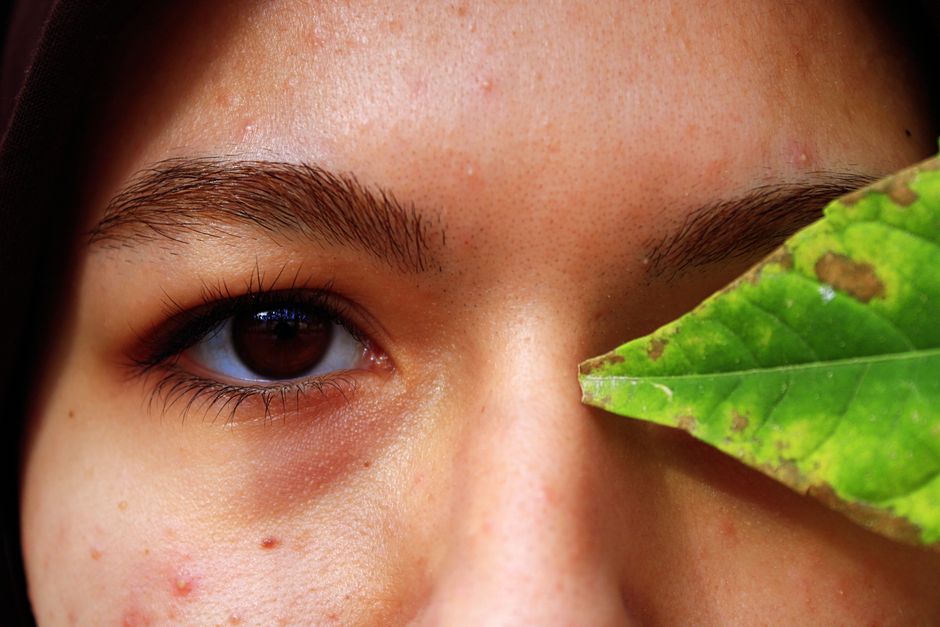
Period-related breakouts are one of the most common acne patterns in adult women. The cause is hormonal, not dirt or poor hygiene. In the week before your period, estrogen and progesterone drop while testosterone stays steady. That shift makes your skin produce more oil and makes pores more likely to clog. You can reduce these breakouts with targeted skincare and lifestyle habits, though you likely cannot stop them entirely. The goal is to shrink the severity and shorten the duration of the flare-up.
Why Do You Break Out Right Before Your Period?
Your skin has oil glands that are sensitive to hormones. In the week before menstruation, estrogen levels fall. Androgens, which are male hormones that women also produce, become relatively more active. This triggers the sebaceous glands to pump out more sebum, which is the skin’s natural oil.
At the same time, the cells lining your pores shed more slowly. That combination — extra oil and sticky dead skin — creates a plug. Bacteria that live on the skin, specifically Cutibacterium acnes, feed on that trapped oil. The result is inflammation, redness, and a pimple.
These breakouts typically appear on the lower face, jawline, chin, and neck. That pattern is so consistent that dermatologists often use it as a clue that hormones are the main trigger. The lesions are usually deep, tender, and inflamed rather than small whiteheads on the forehead.
How To Prevent Acne Before Your Period Naturally
Prevention starts about ten days before your period, not the day you see a pimple. The hormonal changes begin well before bleeding starts, so your routine needs to be consistent in the second half of your cycle.
Wash your face twice daily with a gentle cleanser. Avoid harsh scrubs or abrasive tools. They damage the skin barrier and make inflammation worse. Look for a cleanser with salicylic acid, which helps unclog pores, but use it only once daily if your skin gets dry. Overwashing triggers more oil production, which is the opposite of what you want.
Keep your skin hydrated. It sounds counterintuitive, but dry skin worsens acne. When the skin lacks moisture, the oil glands compensate by producing more sebum. Use a lightweight, non-comedogenic moisturizer every morning and night. Non-comedogenic means the product is formulated not to block pores.
Spot-treat early. If you feel a tender spot forming under the skin, apply a small amount of benzoyl peroxide or salicylic acid to that exact area. Do not spread it over the whole face. Benzoyl peroxide kills bacteria, and salicylic acid speeds up cell turnover. Both work better when you catch the spot in the first 24 hours.
Which Foods Help and Which Foods Hurt?
Diet is not the main cause of hormonal acne, but it can influence severity. The strongest dietary link in research is high-glycemic foods. These are foods that spike blood sugar quickly, like white bread, sugary drinks, and candy. A rapid rise in blood sugar triggers insulin, and insulin stimulates oil production.
Some studies suggest that low-glycemic diets reduce acne severity, though the effect varies from person to person. If you want to test whether diet matters for you, cut back on refined sugar and processed carbohydrates for two full menstrual cycles. That is enough time to see whether your breakouts improve.
Dairy is more controversial. Some research links skim milk specifically to acne, but the evidence is not strong enough to tell everyone to avoid dairy. If you consume a lot of dairy and struggle with severe premenstrual breakouts, try eliminating it for one cycle to see if it makes a difference. If not, there is no reason to cut it out.
Foods rich in zinc may help. Zinc has anti-inflammatory properties and some evidence suggests it reduces acne lesions. Good sources include pumpkin seeds, chickpeas, and oysters. The effect is modest, not dramatic.



Skincare Ingredients That Actually Work
Not all acne products are equal. Some have strong evidence behind them, while others are mainly marketing. Stick with ingredients that dermatologists have used for decades and that have published research supporting them.
Salicylic acid is a beta-hydroxy acid that dissolves the material inside clogged pores. It is oil-soluble, meaning it can penetrate into the pore and clear the plug. Use a 2% concentration for best results.
Benzoyl peroxide is an antibacterial agent. It releases oxygen into the pore, which kills the acne bacteria. It also helps shed dead skin cells. Start with a 2.5% or 5% concentration. Higher concentrations irritate the skin without working better.
Adapalene is a retinoid available over the counter at 0.1% strength. It normalizes how skin cells shed, which prevents pores from clogging in the first place. It is one of the most effective preventive options, but it takes 8 to 12 weeks to show full results. Start using it every other night and build up to nightly use.
Niacinamide is a form of vitamin B3. It reduces inflammation and helps regulate oil production. It is well-tolerated and works well alongside other treatments. Use a 5% or 10% serum once daily.
Do not combine all of these at once. That is a recipe for irritated, red skin. Pick one active ingredient for the whole face and one for spot treatment. For example, use adapalene at night and benzoyl peroxide on active spots in the morning.
Can Stress Make Period Acne Worse?
Stress does not cause acne, but it can amplify it. When you are stressed, your body releases cortisol. Cortisol increases oil production and worsens inflammation. During the premenstrual phase, when your skin is already more reactive, stress can turn a mild breakout into a severe one.
Sleep matters too. Poor sleep raises cortisol levels the next day. If you are sleeping poorly in the week before your period, your skin pays the price. Aim for seven to nine hours per night consistently, not just on weekends.
Exercise helps in two ways. It reduces stress hormones and improves insulin sensitivity. Both effects support clearer skin. You do not need intense workouts. A 30-minute walk, a bike ride, or a yoga session is enough. Just shower soon after sweating, because sweat left on the skin can irritate pores.
What Not To Do: Common Mistakes That Worsen Breakouts
Picking and popping pimples is the most common mistake. It pushes bacteria deeper into the skin and increases the chance of scarring. A pimple that would have healed in three days can turn into a dark mark that lasts months.
Avoid toothpaste on pimples. This is an old internet remedy that has no evidence behind it. Toothpaste contains ingredients that dry out the skin, but it also irritates it and can cause contact dermatitis.
Do not start a completely new skincare routine right before your period. Your skin is more sensitive during this phase. Introducing new products increases the risk of irritation, which looks similar to acne and makes the actual acne harder to treat.
Do not skip moisturizer because your skin feels oily. Oily skin still needs hydration. Skipping moisturizer triggers more oil production and makes the problem worse.
When Should You See a Dermatologist?
If you have tried consistent skincare for three months and still get painful, deep breakouts every month, it is reasonable to seek medical help. The same applies if your acne is leaving scars or dark marks that do not fade.
Dermatologists have prescription options that work well for hormonal acne. Spironolactone is a medication that blocks androgen receptors in the skin, directly targeting the hormonal cause. Birth control pills regulate the hormone fluctuations that trigger breakouts. Both require a prescription and a discussion of risks and benefits.
No over-the-counter routine can fully eliminate hormonal acne in every person. Some women need medical treatment to see meaningful improvement. That is not a failure of your skincare habits. It is simply how hormones work.
Frequently Asked Questions
Can I stop period acne completely with natural methods?
No natural method has been proven to completely eliminate hormonal acne. Consistent skincare and lifestyle habits can reduce severity, but the hormonal trigger remains active each cycle.
Is it better to use natural oils on my skin to prevent breakouts?
No. Natural oils like coconut oil and olive oil are highly comedogenic, meaning they clog pores. Non-comedogenic moisturizers formulated for acne-prone skin are a safer choice.
How long before my period should I start preventing acne?
Start about ten days before your period is expected. This aligns with the timing of hormonal shifts and gives preventive ingredients time to work.
Does drinking more water help with period acne?
Drinking water supports overall skin health, but no evidence shows it directly prevents hormonal breakouts. Dehydration can make skin look duller, but it does not change oil production or pore clogging.
