
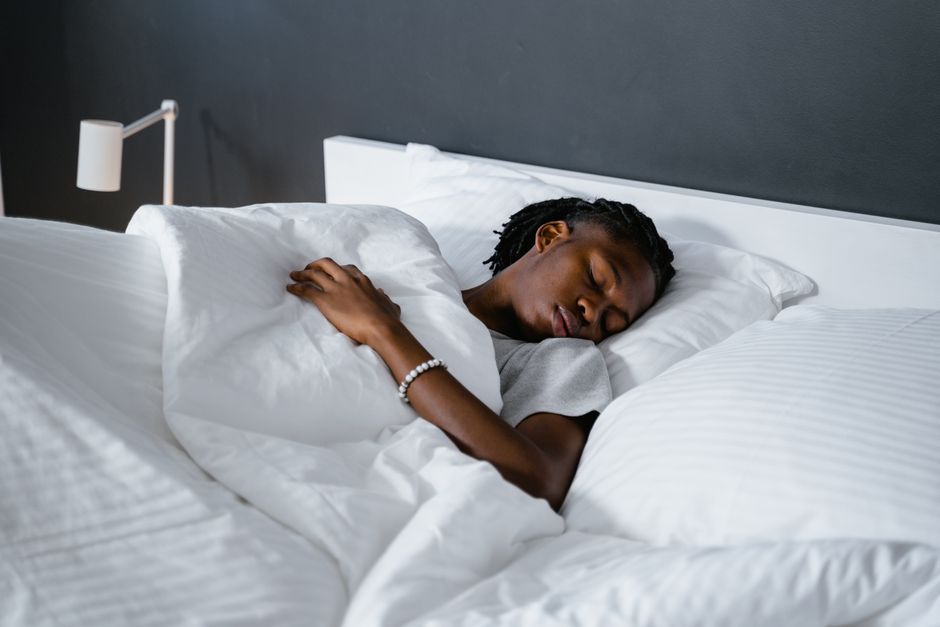
Sleeping before a night shift comes down to three things: protecting a block of daytime sleep, timing a nap before your shift starts, and eating in a way that does not fight your body clock. Night work asks your body to do the opposite of what it evolved to do, so the goal is not perfect sleep. It is the best sleep your schedule allows.
Most night-shift workers cannot flip their body clock on command. Light, timing, and routine do more for daytime sleep than willpower. This guide covers what the evidence supports, what it does not, and where common advice gets ahead of the science.
Why Is Sleeping Before A Night Shift So Hard?
Your internal clock runs on a roughly 24-hour cycle that is set mainly by light. When daylight hits your eyes in the morning, your brain signals that it is time to be awake. That is why lying down at 8 a.m. after a shift often feels like fighting your own body.
Two systems are working against daytime sleep. The first is your circadian rhythm, which keeps body temperature, hormone release, and alertness on a daily pattern. The second is sleep pressure, the buildup of a chemical called adenosine that makes you sleepy the longer you stay awake. After a night shift, your sleep pressure is high, which helps. But your circadian signal for wakefulness is also rising, which works against you. The result is usually shorter and lighter sleep than you would get at night.
Research on shift workers has consistently found that daytime sleep tends to be shorter than nighttime sleep, often by a few hours. This is not a personal failing. It is biology. Knowing that helps you plan around it instead of expecting eight solid hours and feeling defeated when you get five.
How To Sleep Before A Night Shift: Naps, Diet, And More
The practical answer is to treat the hours before your shift as a protected window. That means controlling light, timing your nap, and choosing food that supports sleep rather than disrupting it.
Here is what tends to matter most:
- Light control. Wear sunglasses on the way home from a night shift and keep your bedroom dark. Light is the strongest signal your clock reads.
- A nap before the shift. A short nap in the late afternoon or early evening can reduce sleepiness during the first part of the shift.
- Meal timing. Eating a large meal right before sleep can make it harder to fall asleep and stay asleep.
- A consistent schedule. Going to bed at roughly the same time each day helps your body adjust, even if that time is in the morning.
- A cool, quiet room. Body temperature drops as you fall asleep, and a warm room can interfere.
None of these are cures. They are supports. Together they can improve the quality and length of the sleep you get, which is what matters for safety and how you feel.
Does Napping Before A Night Shift Help?
Napping before a night shift can reduce sleepiness and improve alertness during the early hours of work. This is one of the better-supported strategies for shift workers.
Timing matters. A nap taken too close to your shift may leave you groggy when you start work, a feeling sometimes called sleep inertia. A nap taken too early may not carry you far enough into the night. Many shift workers find that a nap in the late afternoon or early evening works best, but the ideal window varies from person to person.
Length matters too. Short naps of roughly 20 to 30 minutes can boost alertness without much grogginess. Longer naps may leave you feeling worse on waking because you enter deeper stages of sleep. If you have time for a longer nap, allowing a full sleep cycle — closer to 90 minutes — can help you wake more naturally. Individual sleep cycles vary, so these are general guides rather than fixed rules.
One point worth being honest about: napping helps, but it does not erase the effects of sleep loss. A nap is a tool, not a substitute for adequate sleep across the week.





What Should You Eat Before Sleeping For A Night Shift?
There is no single food that guarantees better daytime sleep. The evidence for specific “sleep foods” is weaker than headlines suggest. What is better supported is avoiding the things that clearly disrupt sleep and keeping meals moderate.
Things that tend to work against sleep:
- Caffeine late in your day. Caffeine can stay in your system for hours. Drinking coffee close to when you plan to sleep can make it harder to fall asleep even if you feel tired.
- Large, heavy, or very spicy meals. These can cause heartburn or discomfort that interferes with sleep.
- Alcohol. Alcohol may make you feel sleepy at first, but it fragments sleep later and reduces sleep quality.
- Lots of fluids right before bed. This can wake you for bathroom trips.
Things that may help, with the honest caveat that the evidence is modest:
- A lighter meal rather than a feast before sleep.
- Foods containing tryptophan, an amino acid the body uses to make serotonin and melatonin. Turkey, milk, and oats are common examples. The effect on sleep from food alone is small.
- Staying hydrated during your shift so you are not overly thirsty before bed, without drinking a large amount right before sleeping.
Some research suggests that eating closer to your body’s natural nighttime can affect metabolism and digestion for shift workers, but this is an active area of study. The practical takeaway is to avoid heavy eating right before sleep and to keep caffeine early in your waking period.
How Does Light Affect Sleep Before A Night Shift?
Light is the single most powerful lever you have over your sleep-wake cycle. Managing it well can make daytime sleep noticeably easier.
Two rules help most shift workers:
- Reduce morning light on the way home. Sunglasses and a hat can limit the light that tells your brain to wake up.
- Keep your bedroom very dark. Blackout curtains, an eye mask, and covering small light sources all help. Even dim light can interfere with sleep for some people.
On the flip side, some shift workers use bright light during the early part of their shift to help stay alert. This is a reasonable strategy, but timing it carefully matters, because light at the wrong time can shift your clock in an unhelpful direction. If you are trying to fully adapt to a permanent night schedule, strategic light exposure is worth discussing with a doctor familiar with shift work.
Can You Actually Adjust To Night Shift Sleep?
Full adjustment to night work is possible for some people but difficult for many, and it depends heavily on your schedule. If you work a few nights and then return to daytime life, your clock never fully flips, and you are essentially in a state of ongoing jet lag. If you work nights permanently and can keep a consistent sleep schedule on your days off, adaptation is more realistic.
This is where honesty matters. The research on shift work and health shows real associations with long-term risks, including metabolic and cardiovascular effects. That does not mean every night worker will develop problems, and it does not mean the risks are fully understood. It does mean that shift work is genuinely hard on the body, and treating sleep as a priority is not optional — it is protective.
If you have persistent trouble sleeping, feel dangerously sleepy during shifts, or notice your health changing, that is a reason to talk to a doctor. Shift work sleep disorder is a recognized condition, and it is treatable.
What About Sleep Aids And Supplements?
Be cautious here. Melatonin is the most studied supplement for shift work, and some research suggests it can help shift workers fall asleep, but the evidence is mixed and dosing is not standardized. Melatonin is a hormone, not a harmless vitamin, and it can interact with other medications.
Prescription sleep medications carry real risks, including dependence and next-day grogginess that can be dangerous if you drive or operate machinery. No supplement or medication should be started for shift work without talking to a doctor first.
The strategies with the strongest support remain behavioral: light control, consistent timing, napping, and diet adjustments. These are not exciting, but they are what the evidence actually backs.
Frequently Asked Questions
How long should I nap before a night shift?
A short nap of about 20 to 30 minutes can boost alertness without much grogginess. If you have more time, a nap closer to 90 minutes may let you complete a full sleep cycle.
Should I eat before sleeping for a night shift?
A light meal is generally better than a heavy one before sleep, since large or spicy meals can cause discomfort that disrupts rest. Avoid caffeine and alcohol close to when you plan to sleep.
Can I train my body to sleep during the day?
Partial adjustment is possible, especially with a consistent schedule and good light control, but full adaptation is difficult for people who switch back to daytime life on days off. Consistency is the key factor.
Is melatonin safe for night shift workers?
Some research suggests melatonin may help shift workers fall asleep, but the evidence is mixed and dosing is not standardized. Talk to a doctor before using it, since it is a hormone that can interact with medications.
