
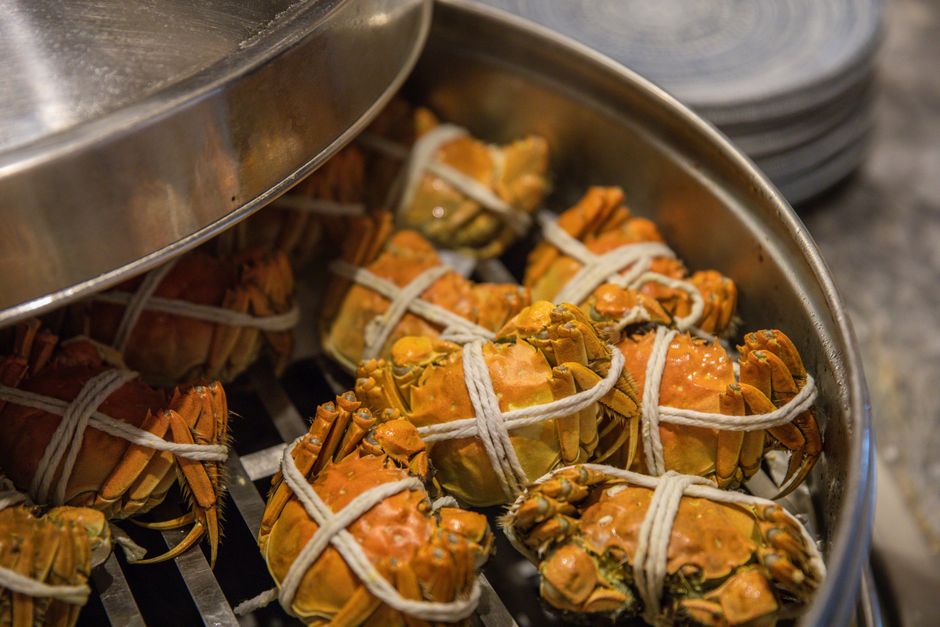
You found a perfect crab on the beach and you want to keep it looking that way. The good news is that the color in a crab shell is stable once the animal is dead, as long as you remove the soft tissue inside before it rots and darkens the shell from within. The main threat to color is not the air — it is bacteria, sunlight, and heat. Clean the shell out, dry it slowly, and keep it out of direct sun, and most crab shells hold their natural reds, oranges, and purples for years.
Why Do Crab Shells Change Color After The Crab Dies?
Living crabs are usually not red. They look brown, olive, or sandy because their color pigments are chemically bound to a protein in the shell. The pigment is called astaxanthin, a carotenoid related to the orange pigment in carrots and the pink pigment in salmon.
When the crab dies and that protein breaks down — through cooking, decay, or time — the astaxanthin is released from its bond. That is why a live blue crab turns bright red in boiling water and why a dead crab left in the sun eventually shifts toward orange and red.
This matters for preservation because the color change is largely a one-way chemical process. You cannot reverse it. What you can do is stop the process from going further. The two things that push it forward are heat and bacterial decay. A shell that is cleaned and dried quickly will hold its color far better than one that sits in a bucket for two days.
There is one more factor worth knowing. Sunlight, specifically ultraviolet light, slowly breaks down carotenoid pigments over months and years. A shell displayed in a bright window will fade faster than the same shell kept in a shaded room. This is true even for shells that were preserved perfectly.
How To Preserve A Crab Shell Without Losing Color
The core method has three parts: remove everything soft, dry the shell without heat, and protect it from light and moisture afterward. Skip any one of these and the shell will degrade.
Step 1: Remove the soft tissue
This is the part most people rush, and it is the part that determines whether the shell lasts. Any remaining flesh will rot, smell, attract insects, and stain the inside of the shell a dark brown that can show through thin sections.
- If the crab is fresh or frozen, pull off the legs and claws and set them aside.
- Lift the top shell (the carapace) away from the body. Most of the soft tissue sits in the body cavity underneath.
- Use a small spoon, skewer, or old toothbrush to scrape out the gills, organs, and any remaining meat.
- Rinse the empty shell under cool running water. Do not use hot water — heat accelerates the protein breakdown that shifts color.
- For legs and claws, you can leave them intact if they are hollow, or split them lengthwise and clean the inside if meat remains.
If the crab has already started to smell, the tissue is decaying and the shell is at higher risk of staining. Clean it as soon as you can.
Step 2: Dry it slowly, away from heat
Air drying is the safest method for color. Heat drying — an oven, a hairdryer, a hot car — can push the shell toward a duller, more orange tone and can make thin shells brittle and prone to cracking.
Set the cleaned shell in a well-ventilated spot out of direct sun. A shaded porch, a garage, or a room with a fan works well. Depending on humidity, a crab shell can take several days to a couple of weeks to dry completely. There is no fixed timeline, because it depends on the size of the shell and how much moisture is in the air.
Some people speed this up by placing the shell in a container with silica gel packets, which absorb moisture from the air. This is a reasonable option if you live somewhere humid. Do not seal a damp shell in a plastic bag — trapped moisture encourages mold, which leaves dark spots that cannot be removed.
Step 3: Protect it after drying
Once the shell is fully dry, you have a few options. A thin coat of clear acrylic spray or a brushed-on sealant can protect the surface from dust and minor handling. Some people use clear nail polish on small shells.
Be aware that any coating can slightly change how the shell looks. Glossy finishes make colors look deeper but reflect light. Matte finishes look more natural but offer less protection. There is no single correct choice — it comes down to how you plan to display the shell.
Keep the finished shell out of direct sunlight and away from humid areas like bathrooms. A display case or a shelf in a shaded room is ideal.
Does Boiling A Crab Affect Its Shell Color?
Boiling turns a live crab bright red almost immediately, and that color is usually permanent. The heat breaks the bond between astaxanthin and the shell protein, releasing the red pigment.
If your goal is to preserve the crab’s natural living color — the olive, brown, or blue-gray it had while alive — do not boil it. Boiling commits the shell to red. There is no way to bring back the original color once that bond is broken.
If you are preserving a shell from a crab you already cooked and ate, the red color is stable and will hold well as long as you clean and dry it properly. In that case, the preservation steps above still apply — the color is set, but the shell can still rot, mold, or fade if neglected.





What Shortens A Preserved Crab Shell’s Life?
Most failures come down to a handful of avoidable mistakes. Knowing them helps you protect the shell from the start.
- Leaving soft tissue inside. This is the single biggest cause of discoloration and odor.
- Drying with heat. Ovens, direct sun, and hot air can dull or shift the color.
- Storing damp. Trapped moisture grows mold, which stains.
- Direct sunlight over time. UV light slowly fades carotenoid pigments.
- Handling with bare, oily hands. Skin oils can leave marks on a dry, unsealed shell.
None of these are dramatic on their own. Together they decide whether a shell looks the same in five years as it did the day you cleaned it.
Is There A Way To Restore A Faded Crab Shell?
No reliable method exists to restore a shell that has already faded or darkened. The color loss is a chemical change in the pigment itself, and you cannot rebuild the original molecule.
Some hobbyists apply a light coat of clear finish to make a faded shell look slightly richer, but this only changes surface appearance. It does not bring back lost pigment. If a shell has gone dark from rot or mold, that staining is usually permanent too.
This is why prevention matters more than repair. A shell cleaned and dried promptly will almost always look better than one that was rescued after the fact.
How Should You Store Or Display A Preserved Crab Shell?
Store it dry, shaded, and stable. A closed display case keeps out dust and insects. A shelf away from windows limits UV exposure.
If you need to pack a shell for storage or shipping, wrap it in soft tissue or bubble wrap and keep it in a rigid box so it does not crack. Avoid plastic bags for long-term storage unless the shell is completely dry and you add a desiccant packet.
For very large or fragile shells, a small mount or stand reduces handling. The less you touch a dry shell, the longer its surface stays intact.
Frequently Asked Questions
How long does it take to dry a crab shell?
It usually takes several days to a couple of weeks, depending on shell size and humidity. There is no fixed timeline because air moisture and shell thickness both affect drying speed.
Can I use a hair dryer to speed up drying a crab shell?
It is not recommended, because heat can dull the color and make thin shells brittle. Air drying in a shaded, ventilated spot is safer for preserving color.
Will a preserved crab shell smell?
A properly cleaned and dried shell should not smell. If it still smells, soft tissue remains inside and needs to be removed before it stains the shell.
Why did my crab shell turn red after it died?
The red pigment astaxanthin is released when the protein it is bound to breaks down after death or during cooking. This change is generally permanent and cannot be reversed.
