
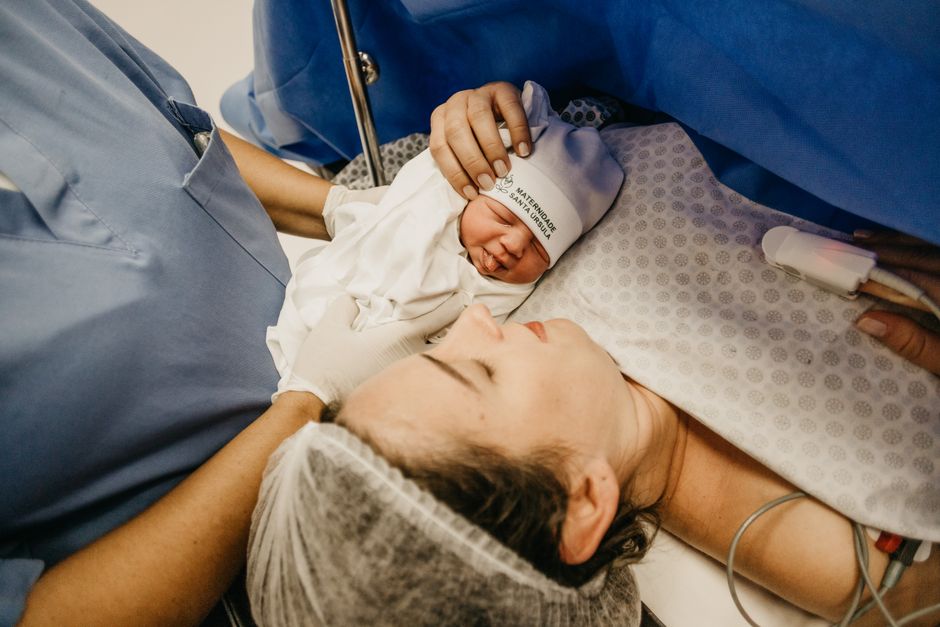
Preparing for birth means getting your body, your mind, and your hospital bag ready before labor starts. The body needs physical conditioning and a clear plan for pain management. The mind needs coping strategies and knowledge about what to expect. The bag needs the essentials for you, your partner, and your baby. Each part of this preparation lowers stress and helps you feel more in control when labor begins.
How Does Physical Preparation Help With Labor?
Your body goes through major changes in the final weeks of pregnancy. Preparing physically does not guarantee an easy birth. But it does build strength and stamina for the work of labor.
Regular movement during pregnancy keeps your heart and muscles ready for the demands of childbirth. Walking, swimming, and prenatal yoga are all safe options for most pregnant women. These activities improve circulation and help maintain flexibility in your hips and pelvis.
Pelvic floor exercises matter too. Strong pelvic floor muscles support your bladder, uterus, and bowels. Learning to relax these muscles during pushing can help during delivery. Some research suggests that prenatal pelvic floor training may shorten the second stage of labor.
Your healthcare provider can tell you which exercises are safe for your specific situation. If you have complications like placenta previa or preterm labor risk, some activities may not be recommended.
What Should You Know About Labor And Delivery Beforehand?
Knowledge reduces fear. Understanding the stages of labor helps you know what is normal and when to ask for help.
Labor has three stages. The first stage is cervical dilation, which can last many hours. The second stage is pushing and delivery of your baby. The third stage is delivery of the placenta. Each stage has its own sensations and challenges.
Pain management options vary widely. You might choose unmedicated labor with breathing techniques and position changes. You might choose an epidural. You might decide to see how labor goes and make decisions as you progress. All of these are valid approaches.
Taking a childbirth class is one of the most effective ways to prepare. These classes cover the mechanics of labor, pain management options, and what happens in the hospital. Many hospitals offer them in person or online. Partners learn how to provide support during contractions.
Write a birth plan that covers your preferences. Include your pain management wishes, who you want in the room, and any cultural or religious practices that matter to you. Remember that birth plans are preferences, not guarantees. Medical needs can change the course of labor.
How Do You Prepare Your Mind For Childbirth?
Mental preparation is as important as physical preparation. Fear and anxiety can increase pain perception during labor. Learning to manage stress helps you stay calmer when contractions intensify.
Breathing techniques are a core part of mental preparation. Slow, deep breathing activates your body’s relaxation response. Practicing these techniques before labor makes them more automatic when you need them.
Visualization is another tool. Many women picture their cervix opening with each contraction or imagine meeting their baby. These mental images give your brain a positive focus during intense sensations.
Having a support person who knows your preferences is valuable. Your partner, a family member, or a doula can remind you of your coping strategies when you are focused on the pain. Doulas are trained birth support professionals who provide continuous physical and emotional support during labor.
Some research suggests that continuous support during labor is linked to shorter labor and fewer interventions. This support can come from a partner, a doula, or a nurse. Decide who will fill this role before labor starts.





What Should Go In Your Hospital Bag?
Pack your bag by 36 weeks of pregnancy. Labor can start before your due date, and you want the bag ready in case it does.
For yourself, pack comfortable clothing. A loose nightgown or labor gown works well during delivery. Pack a going-home outfit that was comfortable during your second trimester. Your body will not return to its pre-pregnancy size immediately.
Toiletries are essential. Pack a toothbrush, toothpaste, shampoo, soap, and a hairbrush. Lip balm and lotion help with dry skin from hospital air. Pack your phone charger with a long cord so you can reach it from the bed.
Bring insurance information and identification. Your hospital registration desk will need these when you arrive. Bring your birth plan and any prenatal records your provider has not already sent.
For your partner, pack snacks and drinks. Labor can last many hours, and hospital cafeterias may not be open at night. Pack a change of clothes and a pillow for them too.
For your baby, pack a going-home outfit. Include a onesie, a hat, and a receiving blanket. Most hospitals provide diapers, wipes, and basic clothing during your stay. You do not need to pack a full wardrobe.
What Items Should You Leave At Home?
Hospitals have limited space in labor and delivery rooms. Bringing too much creates clutter and makes it harder to find what you need.
Leave valuables at home. Jewelry, large amounts of cash, and expensive electronics can be lost or stolen in a hospital setting. Bring only what you need for the stay.
Skip the full-size pillow unless you really need it. Hospital pillows are available, and bringing your own takes up space. If you do bring one, use a pillowcase with a distinct color so it does not get mixed up with hospital linens.
Do not bring your own medications unless your provider has approved them. Hospitals need to track everything you take during labor. Bring a list of your current medications instead.
When Should You Actually Go To The Hospital?
Knowing when to go to the hospital prevents unnecessary trips and dangerous delays. Your provider will give you specific instructions, but general guidelines apply.
Call your provider when your contractions are regular and strong. A common guideline is contractions every five minutes for one hour. But this varies based on whether this is your first baby and how far you live from the hospital.
Go to the hospital immediately if your water breaks, especially if the fluid is green or brown. This can indicate meconium, which is your baby’s first stool. It can be a sign of fetal distress and requires prompt evaluation.
Go to the hospital right away if you have heavy bleeding, severe abdominal pain, or a significant decrease in your baby’s movements. These symptoms can indicate complications that need immediate medical attention.
How Do You Prepare For The Unexpected?
Birth is unpredictable. Even with careful planning, things can change. A vaginal delivery may become a cesarean section. Labor may last longer than expected. Your baby may need time in the neonatal intensive care unit.
Preparing for the unexpected means accepting that some decisions will be made in the moment. It means trusting your healthcare team to guide you when medical needs arise. It does not mean expecting the worst.
Discuss potential scenarios with your provider before labor. Ask about their approach to interventions, what their cesarean rate is, and how they handle complications. Knowing these answers in advance reduces uncertainty during labor.
Remember that the goal is a healthy mother and a healthy baby. However your birth unfolds, that outcome is what matters most.
Frequently Asked Questions
When should I pack my hospital bag?
Pack your bag by 36 weeks of pregnancy. Labor can begin before your due date, and having the bag ready ensures you can leave for the hospital without delay.
What is the most important thing to pack for labor?
Your phone charger, insurance information, and a going-home outfit for you and your baby are the most essential items. Everything else can be purchased or provided by the hospital.
How can I prepare my mind for labor pain?
Practice breathing techniques, use visualization, and arrange for continuous support from a partner or doula. These strategies help you stay calm and focused during intense contractions.
Should I take a childbirth class?
Yes, childbirth classes are highly recommended. They teach you the mechanics of labor, pain management options, and how your partner can support you during delivery.
