
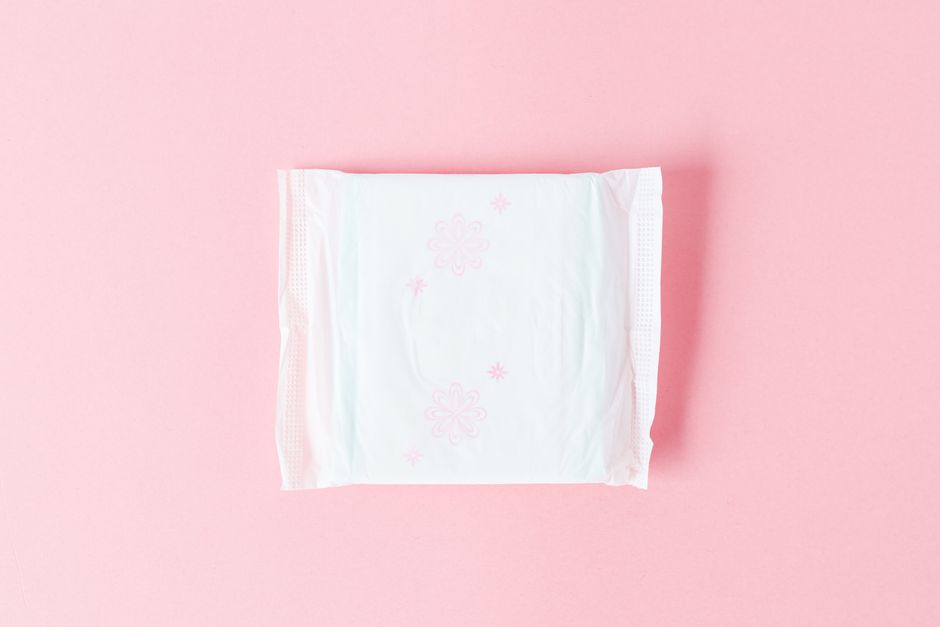
Preparing for your period starts with knowing your own cycle and having the right supplies ready before bleeding begins. Most people can predict their period within a few days by tracking symptoms and cycle length. The real preparation is not just about pads and pain relief — it is about understanding what your body needs and having a plan that works for you.
Many people feel caught off guard each month. Cramps, bloating, fatigue, and mood changes can disrupt daily life. But with some simple steps, you can reduce the discomfort and feel more in control. This guide covers what the evidence actually says about period preparation — not the overhyped claims you see on social media.
How To Prepare For Your Period in Three Simple Steps
Preparation does not need to be complicated. Research published in the Journal of Women’s Health shows that people who track their cycles report less anxiety about their periods. Here is what actually works based on the evidence.
Step one: Track your cycle. Use a calendar, app, or notebook. Mark day one as the first day of bleeding. Most cycles are 21 to 35 days long. After three months, you will see a pattern. Knowing when your period is coming lets you prepare mentally and physically.
Step two: Stock supplies in advance. Keep pads, tampons, menstrual cups, or period underwear in your bag, car, and bathroom. The American College of Obstetricians and Gynecologists recommends having at least one cycle’s worth of products on hand. This prevents last-minute stress.
Step three: Plan for symptoms. If you typically get cramps, have ibuprofen or naproxen ready. If you feel tired, adjust your schedule. If you get bloated, avoid salty foods in the days before your period. Small changes make a real difference.
What Does Research Say About Diet and Period Preparation?
Diet can influence how you feel during your period, but the evidence is not as dramatic as some influencers claim. A 2020 review in Nutrients found that certain foods may help reduce inflammation and cramping.
Foods rich in magnesium — like spinach, almonds, and dark chocolate — may help with muscle relaxation. Omega-3 fatty acids found in salmon and flaxseeds have been linked to lower pain intensity. One study in the Journal of Obstetrics and Gynaecology found that women who ate more omega-3s reported less severe cramps.
What does not work well: cutting out all carbs or doing extreme detox diets. Your body needs energy during menstruation. Complex carbohydrates like oats, brown rice, and sweet potatoes provide steady energy without spiking blood sugar. Stay hydrated. Even mild dehydration can make headaches and fatigue worse.
The CDC reports that iron deficiency is common among people with heavy periods. If your flow is heavy, eating iron-rich foods like lentils, spinach, and lean red meat in the week before your period may help prevent fatigue. Do not take iron supplements without checking with a doctor first — too much iron is harmful.
How Does Exercise Help With Period Symptoms?
Exercise is one of the most effective ways to prepare for and manage period symptoms. Research consistently shows that moderate physical activity reduces cramp severity and improves mood during menstruation.
A study in the American Journal of Obstetrics and Gynecology found that women who did 30 minutes of aerobic exercise three times per week had significantly less menstrual pain than those who were sedentary. The reason is blood flow. Exercise increases circulation to the pelvic area, which helps relax the muscles that cause cramps.
Not all exercise works the same. High-intensity workouts may feel overwhelming right before or during your period. Lower-impact activities like walking, swimming, yoga, and light cycling are well-supported by evidence. Yoga specifically has been studied for period pain. A 2019 meta-analysis in the Journal of Alternative and Complementary Medicine found that yoga reduced pain intensity and improved quality of life in women with menstrual cramps.
If you feel tired, do not force a hard workout. Listen to your body. A 20-minute walk is still beneficial. The key is consistency — moving regularly throughout your cycle, not just when symptoms hit.
What Pain Relief Options Actually Work?
Pain is the most common reason people seek help for periods. The evidence for different pain relief options varies significantly. Here is what the data shows.
| Option | What the Evidence Says | Notes |
|---|---|---|
| Ibuprofen (Advil, Motrin) | Strong evidence. Reduces prostaglandins that cause cramps. | Take with food. Start at first sign of pain. |
| Naproxen (Aleve) | Strong evidence. Lasts longer than ibuprofen. | Works well for 8-12 hours. Do not exceed dose. |
| Heat therapy (heating pad, warm bath) | Moderate evidence. Relaxes uterine muscles. | Safe and low cost. Combine with medication. |
| Acupuncture | Moderate evidence. Some studies show pain reduction. | Requires trained practitioner. Not widely available. |
| Herbal supplements (chasteberry, ginger) | Weak evidence. Some people report benefit. | Quality and dosing vary. Not FDA regulated. |
| CBD oil | No clinical evidence as of 2026. | Widely claimed but not proven for period pain. |
The most effective approach is to start pain relief early. Once cramps are severe, medication takes longer to work. The American Academy of Family Physicians recommends taking ibuprofen or naproxen at the first sign of cramping, not waiting until pain peaks.
What Should You Avoid When Preparing for Your Period?
Some common advice is not backed by evidence. Knowing what to skip can save you time and frustration.
Avoid crash diets or detox cleanses. Your body needs nutrients during your period, not restriction. There is no evidence that juice cleanses or fasting reduces period symptoms. They can actually make fatigue and mood swings worse.
Avoid relying on sugar for energy. Sugar causes blood sugar spikes followed by crashes. This can worsen mood swings and fatigue. If you crave sweets, pair them with protein or fat — like dark chocolate with almonds — to slow absorption.
Avoid over-the-counter “period pain” supplements without checking ingredients. Many contain unproven herbal blends or dangerously high doses of vitamins. The FDA does not regulate supplements the same way as medications. Stick with what has solid evidence behind it.
Avoid ignoring heavy bleeding. If you soak through a pad or tampon every hour for several hours, that is not normal. The CDC defines heavy menstrual bleeding as soaking through one or more pads or tampons every hour for multiple consecutive hours. This warrants a medical evaluation.
Common Misconceptions About Period Preparation
Social media is full of claims that sound good but lack evidence. Here are three that come up often.
Misconception: You need to “detox” before your period. Your liver and kidneys handle detoxification naturally. No special diet or supplement can improve this process. The idea that your body needs help “cleaning out” before menstruation is not supported by any credible research.
Misconception: Birth control pills are the only option for period management. Hormonal birth control is effective for many people, but it is not the only option. Non-hormonal methods like ibuprofen, heat therapy, and dietary changes work well for mild to moderate symptoms. Some people prefer non-hormonal approaches for personal or medical reasons.
Misconception: Period pain is normal and you just have to deal with it. Mild discomfort is common. Severe pain that interferes with daily life is not normal. Conditions like endometriosis, fibroids, and polycystic ovary syndrome (PCOS) can cause severe pain. The World Health Organization estimates that endometriosis affects roughly 10% of women of reproductive age. If your pain is debilitating, see a gynecologist.
How To Prepare For Your Period When You Have a Busy Schedule
If you are always on the go, preparation needs to be simple and automatic. The key is building habits that do not require extra thinking.
Set a recurring reminder on your phone three days before your expected period. Use that reminder to check your supply of menstrual products and pain relief. Pack a small emergency kit in your work bag or car. Include two pads or tampons, one dose of ibuprofen, and a spare pair of underwear in a ziplock bag.
If you travel frequently, keep a travel-sized kit in your suitcase. This prevents scrambling at airports or hotels. The American College of Obstetricians and Gynecologists notes that stress can make period symptoms worse, so reducing last-minute panic helps both your mind and your body.
For people with unpredictable cycles, preparation is harder. If your cycle varies by more than seven days from month to month, it may be worth discussing with a healthcare provider. Conditions like thyroid disorders and PCOS can cause irregular cycles. In the meantime, keep supplies in multiple locations so you are never caught without them.
Frequently Asked Questions
How many days before my period should I start preparing?
Start preparing three to five days before your expected period. This gives you time to stock supplies, adjust your diet, and plan your schedule around potential symptoms.
Can I reduce period pain without medication?
Yes. Heat therapy, moderate exercise, and dietary changes can reduce pain for some people. These methods work best for mild to moderate pain and can be combined with medication if needed.
What foods should I eat the week before my period?
Focus on iron-rich foods like spinach and lean meat, magnesium-rich foods like almonds and dark chocolate, and complex carbohydrates like oats and brown rice. Stay hydrated and limit salty foods to reduce bloating.
When should I see a doctor about my period?
See a doctor if you soak through a pad or tampon every hour for several hours, if pain prevents you from normal activities, or if your cycle is consistently irregular. These can be signs of an underlying condition that needs treatment.
