
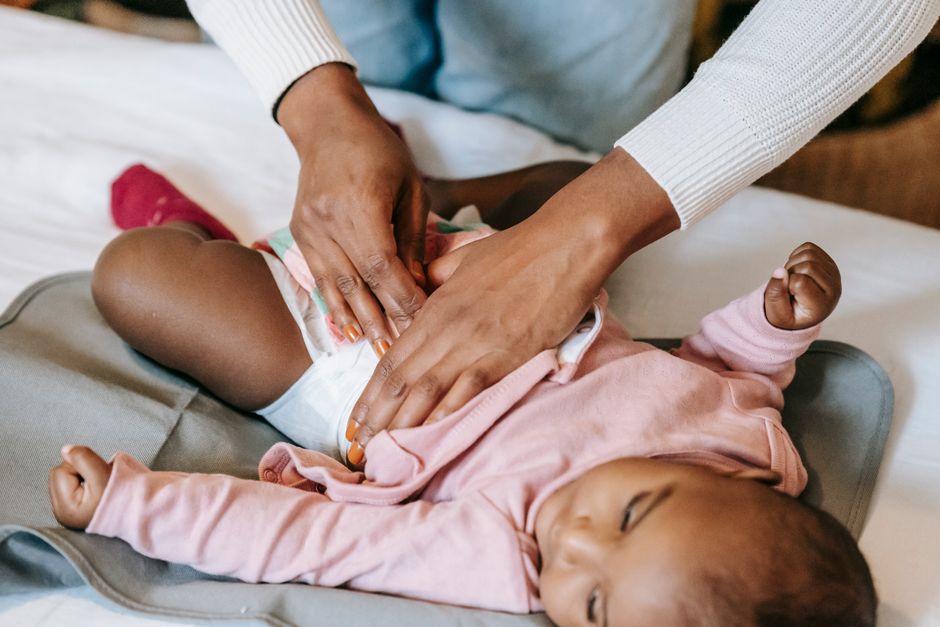
Changing a baby girl’s diaper properly is about more than just keeping her clean. It involves specific steps to prevent urinary tract infections and skin irritation. The key facts are to always wipe from front to back, dry the skin completely, and apply a barrier cream if needed. You should also be gentle with the genital area and never pull the labia apart to clean inside them.
Why Front-to-Back Wiping Matters for Baby Girls
The most important rule in changing a baby girl’s diaper is to wipe from front to back. This means starting at the front of the vulva and wiping toward the anus. This simple direction prevents bacteria from the stool from moving toward the urethra.
A baby girl’s urethra is short. When bacteria from the rectum travel forward, they can easily enter the urinary tract. This is a leading cause of urinary tract infections in infant girls. Research consistently shows that improper wiping technique increases this risk.
Use a fresh wipe for each stroke. Never use the same wipe twice in the same direction. If you need to clean more, take a new wipe and start from the front again. This keeps contamination from spreading.
What You Need Before You Start
Gather everything before you lay your baby down. Never leave a baby alone on a changing table, even for a second. Having supplies within reach prevents accidents and keeps your hands on your baby.
- Clean diaper
- Wipes or warm water and soft cloths
- Barrier cream or diaper ointment
- Clean change of clothes if needed
- A changing pad or clean towel
If you are using a public changing station, use a disposable changing pad liner. These stations are known to carry germs from many other babies. A barrier between your baby and the surface reduces exposure to bacteria and viruses.
Step-by-Step Guide to Cleaning a Baby Girl
Lay your baby on her back on the changing surface. Unfasten the diaper but keep the front of it over her for a moment. This shields you from a sudden spray of urine, which is common when cool air hits the skin.
Use the front of the dirty diaper to wipe away any stool you can see. Then fold the diaper under her and use wipes to clean the remaining area. Always start at the front and wipe backward.
For the labia, only clean the outer folds. Gently separate the outer lips just enough to wipe away visible stool or cream. Do not clean inside the vaginal area. The vagina is self-cleaning, and inserting wipes or fingers inside can introduce bacteria and cause irritation.
Clean the creases of the thighs and the buttocks last. These areas collect moisture and stool. Make sure every fold is dry before putting on a new diaper. Moisture trapped in skin folds is the main cause of diaper rash.




Drying and Applying Diaper Cream
Drying is just as important as cleaning. Pat the skin dry with a soft cloth or let it air dry for a minute. Do not rub the skin. Rubbing can remove the skin’s natural protective oils and cause chafing.
Air exposure is the best way to prevent and treat diaper rash. If you can, let your baby go without a diaper for a few minutes during each change. This allows the skin to breathe and fully dry.
Apply a barrier cream only if your baby has redness or if she gets rashes often. A thin layer of zinc oxide cream protects the skin from moisture. You do not need a thick layer. A small amount spread evenly is enough.
If the skin is completely clean and dry with no redness, a barrier cream is optional. Many parents use it every time as prevention. There is no harm in this as long as the skin is dry when it is applied.
Fastening the New Diaper Correctly
Slide the clean diaper under your baby with the back half under her bottom. Bring the front half up between her legs. The diaper should sit at the waist, not too high or too low.
Fasten the tabs snugly but not tight. You should be able to fit two fingers flat between the diaper and her belly. A diaper that is too tight can cause red marks and discomfort. A diaper that is too loose will leak.
Make sure the leg ruffles are pulled out. These elastic edges form a seal around the legs. If they are tucked in, urine and stool can escape. Run your finger around each leg opening to flip the ruffles outward.
Handling the Umbilical Cord Stump
For newborns, the umbilical cord stump needs special attention. Fold the front of the diaper down below the stump. This keeps the area dry and speeds up healing.
Do not cover the stump with the diaper or apply cream over it. The stump should stay clean and dry until it falls off. Contact with urine or stool can delay healing and increase the risk of infection.
If the stump gets soiled, clean it gently with a cotton ball dipped in warm water. Pat it dry. Do not use alcohol wipes unless your pediatrician specifically recommends them. Current guidance favors dry care over alcohol cleaning.
Signs of a Urinary Tract Infection to Watch For
Even with perfect technique, infections can happen. Knowing the signs helps you catch a problem early. Symptoms in babies are often vague and easy to miss.
Watch for fever without a clear cause, fussiness during urination, or urine that smells strong or looks cloudy. A baby with a urinary tract infection may also eat poorly, vomit, or seem generally unwell.
If you notice any of these signs, contact your pediatrician. A urine sample is needed to confirm an infection. Do not wait to see if it passes on its own. Urinary tract infections in infants can become serious if untreated.
Diaper Rash Prevention and Care
Diaper rash is one of the most common reasons parents visit the pediatrician in the first year. It appears as red, irritated skin in the diaper area. Most cases are caused by prolonged contact with urine or stool.
Change diapers frequently, at least every two to three hours during the day. Check often and change immediately after a bowel movement. Stool is more irritating to skin than urine.
When a rash appears, keep the area as dry as possible. Use a thick barrier cream with zinc oxide. Some parents use a paste that is hard to wipe off, which is fine. The paste creates a strong barrier against moisture.
If the rash does not improve in two to three days, or if it spreads, bleeds, or develops blisters, see your pediatrician. A yeast infection can develop in the diaper area. Yeast rashes need a different treatment than regular diaper rash.
Common Mistakes Parents Make
One common mistake is wiping back to front. This is the fastest way to spread bacteria and cause a urinary tract infection. Always start at the front and wipe backward.
Another mistake is over-cleaning the vaginal area. The inside of the labia does not need cleaning with wipes. The vagina cleans itself naturally. Over-cleaning can strip protective bacteria and cause irritation.
Some parents miss the skin folds in the thighs. These creases trap moisture and are a prime spot for rashes. Lift the legs gently and check the creases at every change.
Using baby powder is another mistake. The American Academy of Pediatrics advises against using powder on babies. Inhaled powder can irritate the lungs. Cornstarch-based powders can also feed yeast if a rash is present.
When to Call Your Pediatrician
Most diaper changes go smoothly without any issues. But some situations need medical attention. Trust your instincts as a parent.
Call your pediatrician if your baby has a fever, if you see blood in the urine or stool, or if the genital area looks swollen, red, or has an unusual discharge. Also call if your baby cries during urination or if she has not had a wet diaper in several hours.
For girls, any foul-smelling discharge from the vagina should be evaluated. This is not normal and could indicate an infection. Early treatment is always better than waiting.
Frequently Asked Questions
How often should I change my baby girl’s diaper?
Change the diaper every two to three hours during the day and immediately after a bowel movement. Leaving a wet or soiled diaper on longer increases the risk of diaper rash and infections.
Is it safe to use baby wipes on a newborn girl?
Yes, but choose wipes that are fragrance-free and alcohol-free. If the skin looks irritated, switch to warm water and a soft cloth until the skin heals.
Should I clean inside my baby girl’s labia?
No. Only clean the outer folds of the labia. The inside of the vagina is self-cleaning and does not need to be wiped out.
What is the best way to prevent diaper rash in baby girls?
Change diapers frequently, dry the skin completely before putting on a new diaper, and let the skin air out daily. A thin layer of barrier cream can also help protect the skin.
