
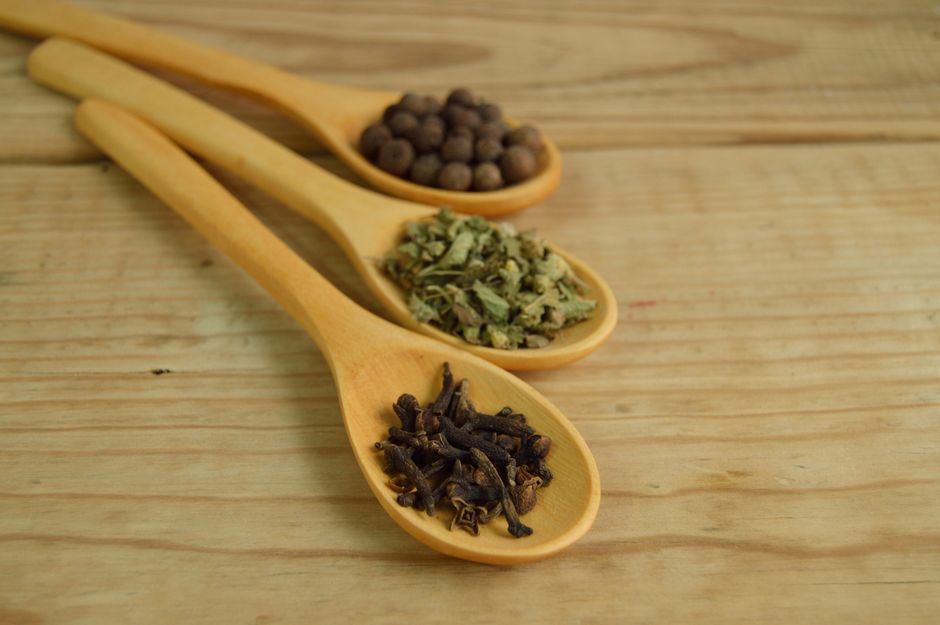
Clove water is one of the most straightforward home remedies for hair concerns, and you can prepare it in under ten minutes. The process involves steeping whole cloves in hot water, cooling the liquid, and applying it directly to your scalp. While clove water is not a proven cure for baldness, it does have properties that may support a healthier scalp and stronger hair.
What Makes Cloves Potentially Useful for Hair?
Cloves contain a compound called eugenol, which gives them their strong, spicy aroma. Eugenol has documented antimicrobial and anti-inflammatory properties. A scalp with less microbial overgrowth and less inflammation is generally a healthier environment for hair follicles.
Cloves are also rich in antioxidants, particularly flavonoids. Antioxidants help neutralize free radicals, which are unstable molecules that can damage hair follicle cells over time. Some research suggests oxidative stress plays a role in certain types of hair loss, though the evidence for topical clove use specifically is limited.
It is important to separate what science supports from what is marketing. No large human trials have confirmed that cloves regrow hair. The evidence is mostly based on the known properties of its compounds and traditional use.
How To Prepare Cloves For Hair Growth At Home
The most common and safest method is making clove water. This is a simple infusion, not a concentrated extract, which reduces the risk of skin irritation.
Here is the basic recipe:
- Boil 2 cups of filtered water.
- Add 1 to 2 tablespoons of whole cloves to a heat-safe glass jar.
- Pour the boiling water over the cloves.
- Cover the jar and let it steep for 4 to 6 hours, or overnight.
- Strain the liquid into a clean container. Discard the cloves.
- Store the clove water in the refrigerator for up to one week.
You can also make a stronger version by simmering the cloves in water for 10 minutes instead of steeping. This extracts more of the compounds but also makes the liquid more concentrated. If you have sensitive skin, start with the steeped version.
Do not apply steaming hot clove water to your scalp. Always let it cool to room temperature first. Hot liquid can cause burns and damage hair follicles.
How To Apply Clove Water to Your Scalp
Application is straightforward, but consistency matters more than technique. Use clove water two to three times per week.
Start with a clean, dry or slightly damp scalp. Pour a small amount of clove water into your palm or a spray bottle. Part your hair in sections and apply the liquid directly to the scalp, not the hair strands. Massage gently with your fingertips for two to three minutes. This stimulates blood flow, which may help deliver nutrients to the follicles.
Leave the clove water on for 30 to 60 minutes. Some people prefer to leave it on overnight, but this increases the risk of irritation. Rinse thoroughly with lukewarm water and follow with your regular conditioner. You do not need to shampoo every time.
If you use a carrier oil, you can mix a few drops of clove essential oil into a tablespoon of coconut or jojoba oil. This is a much stronger preparation. Clove essential oil is highly concentrated and can burn the skin if used undiluted. Never apply pure essential oil directly to your scalp.





Risks and Side Effects of Using Cloves on Hair
Clove water is generally safe for most people, but it is not risk-free. Eugenol is a known skin sensitizer. Some people develop contact dermatitis, which is an allergic skin reaction that causes redness, itching, and flaking.
Before using clove water on your full scalp, do a patch test. Apply a small amount to the inside of your forearm. Wait 24 hours. If you see any redness, swelling, or itching, do not use it on your scalp.
Do not get clove water in your eyes. It will sting significantly. If it happens, rinse your eyes with clean water immediately.
Clove essential oil carries more risk than clove water. It can cause chemical burns if applied undiluted. It can also cause a burning sensation even when diluted in some people. If you choose to use it, the dilution should be no more than 1 to 2 percent, which is roughly one drop of essential oil per teaspoon of carrier oil.
What the Research Actually Says
The honest position is that clinical evidence for cloves as a hair growth treatment is thin. Most of what is claimed comes from traditional use and laboratory studies on isolated compounds.
Eugenol has been studied for its antimicrobial effects against certain bacteria and fungi. A scalp with less fungal overgrowth may have less itching and flaking. That could indirectly support healthier hair, but it is not the same as proving cloves stimulate new growth.
Some research on eugenol has looked at its anti-inflammatory effects in skin models. Inflammation around hair follicles is a factor in some types of hair loss. Reducing that inflammation could theoretically help, but this has not been tested in controlled human trials for hair regrowth.
There is also some evidence that clove extract can stimulate blood circulation when applied topically. Better circulation means more oxygen and nutrients reach the follicles. Again, this is biologically plausible, but it has not been confirmed as a treatment for hair loss in clinical studies.
No study has confirmed that cloves can regrow hair on a balding scalp. If you are experiencing noticeable thinning or sudden hair loss, see a dermatologist. Home remedies like clove water are not a substitute for medical evaluation.
Other Ways People Use Cloves for Hair
Clove water is the gentlest option, but it is not the only one. Here are other common preparations and what to know about them.
Clove oil rinse. Add 2 to 3 drops of clove essential oil to a cup of water and use it as a final rinse after shampooing. This is less concentrated than a carrier oil blend but still stronger than clove water. Do this no more than once a week.
Clove and coconut oil mask. Warm two tablespoons of coconut oil and mix in 2 drops of clove essential oil. Apply to the scalp and leave for 30 minutes. Coconut oil has its own documented benefits for hair, including reducing protein loss. This combination is popular but has not been clinically tested.
Clove powder paste. Mix one teaspoon of ground clove powder with enough water to form a paste. Apply to the scalp for 15 minutes. This is messy and more likely to irritate the skin because the powder is more concentrated than an infusion. Rinse very thoroughly to remove all particles.
None of these methods are proven to grow hair faster. They may improve scalp condition, which is a reasonable goal. If you are looking for a scientifically supported treatment for hair loss, options like minoxidil and finasteride have far more evidence behind them.
Realistic Expectations and What To Avoid
If you decide to try clove water, set realistic expectations. It may reduce scalp itching, flaking, or irritation. It may make your hair feel softer and look shinier. It will not reverse genetic hair loss or regrow hair on a completely bald area.
Watch for signs of irritation. If your scalp becomes red, itchy, or starts peeling after using cloves, stop immediately. This is a sign of contact dermatitis, and continuing to use the product will make it worse.
Avoid the viral trend of applying pure clove essential oil directly to the scalp. This causes chemical burns. Several dermatologists have reported cases of scalp burns from undiluted essential oils. The pain and damage are not worth the unproven benefit.
Also avoid leaving clove preparations on your scalp for hours or overnight if you have never used them before. Start with 30 minutes and see how your skin responds. If there is no irritation, you can gradually increase the time.
Frequently Asked Questions
How often should I use clove water on my hair?
Two to three times per week is a reasonable frequency. Using it daily increases the risk of scalp irritation without adding any proven benefit.
Can clove water regrow hair on a bald spot?
No clinical evidence confirms that clove water can regrow hair on a bald area. It may improve scalp health, but it is not a treatment for pattern baldness.
How long does clove water last in the refrigerator?
Clove water stays fresh for up to one week when stored in a sealed container in the refrigerator. Discard it if it develops an off smell or cloudiness.
Is clove essential oil safe to put directly on my scalp?
No. Clove essential oil is highly concentrated and can cause chemical burns when applied undiluted. Always dilute it with a carrier oil and do a patch test first.
