
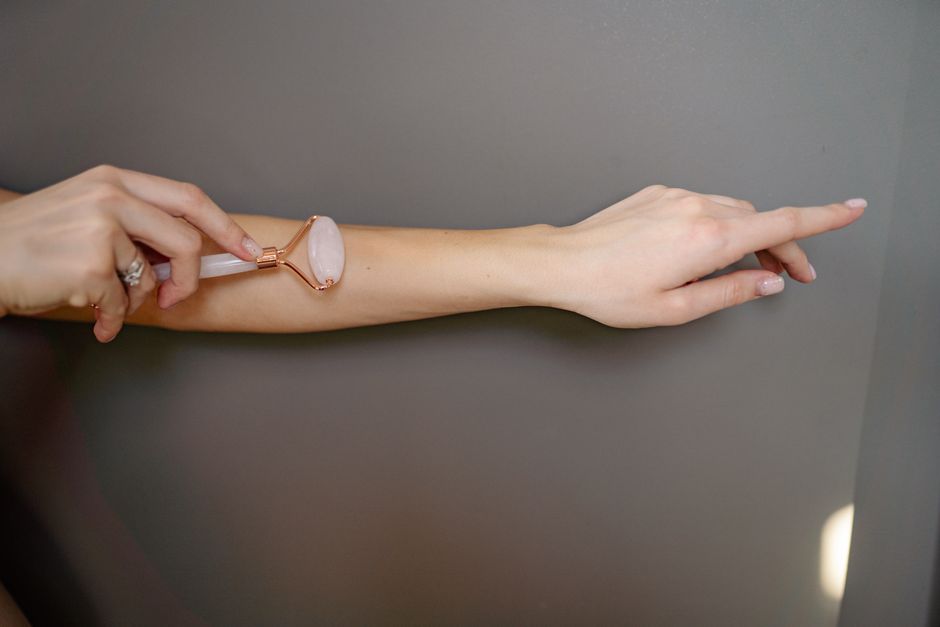
Derma rolling, also called microneedling, is a popular home treatment for hair loss. The roller creates tiny punctures in the scalp with fine needles. For hair growth, the best derma roller length is 0.5mm or 0.25mm for home use. These shorter needles are safe for self-application and can improve how your scalp absorbs topical treatments. Longer needles, like 1.0mm or 1.5mm, are more effective for collagen stimulation, but they carry a higher risk of infection and scarring when used at home without proper training.
How Does Derma Rolling Actually Work For Hair?
Microneedling works through a process called collagen induction therapy. When the tiny needles puncture the skin, they create micro-injuries. Your body responds by sending blood flow to the area and producing collagen and elastin. This increased circulation and tissue remodeling may help wake up dormant hair follicles.
Research suggests that the wound-healing response also triggers the release of growth factors. These are proteins that signal cells to divide and grow. In the scalp, this process can extend the anagen phase of the hair cycle, which is the active growth phase. That is why microneedling shows promise for people with androgenetic alopecia, commonly known as male or female pattern baldness.
There is an important distinction to understand. Derma rolling is not a standalone cure for hair loss. The strongest evidence for its effectiveness comes from studies where it was combined with topical treatments like minoxidil. Used alone, the results are less dramatic but still measurable in some clinical trials.
Why 0.5mm Is The Best Length For Home Use
The 0.5mm needle length hits a practical sweet spot for most people. It is long enough to penetrate the epidermis and reach the upper dermis, where hair follicles reside. It is short enough that you can use it safely at home without numbing cream and with minimal pain.
Clinical studies on microneedling for hair loss have used a range of needle lengths. Many successful protocols use 1.5mm devices, but those are typically applied by dermatologists in a clinical setting. For at-home use, 0.5mm is the safest effective option.
A 0.5mm roller can be used once per week. The skin needs about five to seven days to recover between sessions. Using it more frequently does not speed up results. It increases the risk of irritation and can damage the skin barrier.
What About 0.25mm Rollers?
The 0.25mm derma roller is the mildest option available. It only penetrates the very top layer of the skin, the stratum corneum. This is not deep enough to trigger a significant collagen response in the dermis.
Where 0.25mm rollers excel is in improving product absorption. The micro-channels created by these short needles allow topical solutions to penetrate deeper into the skin. If you apply minoxidil or other hair serums after rolling, the active ingredients reach the follicle more effectively.
Some people use a 0.25mm roller every other day specifically for this purpose. Because the penetration is so shallow, the skin recovers quickly. However, if your primary goal is to stimulate the follicle itself, 0.25mm may not be sufficient. It is better thought of as an absorption booster rather than a true collagen induction tool.




Why You Should Avoid 1.0mm And 1.5mm Rollers At Home
Longer needles do produce stronger collagen stimulation. Dermatologists often use 1.0mm to 1.5mm devices to treat scarring alopecia and advanced hair thinning. The results in clinical studies are promising. But the risk profile changes dramatically at these lengths.
At 1.0mm and above, the needles reach the deeper dermis where blood vessels and nerve endings are located. This causes more pain and bleeding. Without proper sterilization technique, the risk of bacterial or fungal infection increases significantly. You also risk permanent scarring, hyperpigmentation, or keloid formation if you have a predisposition to abnormal scarring.
There is also the issue of technique. A derma roller used at home applies uneven pressure across the scalp. You might press harder over some areas, driving the needles deeper than intended. In a clinic, a dermatologist controls the depth precisely and uses sterile, single-use devices.
If you want the benefits of longer needles, see a professional. At-home use of 1.0mm or longer needles is not recommended by dermatologists.
How To Use A 0.5mm Derma Roller Safely
Proper technique matters as much as needle length. Start with a clean scalp. Wash your hair and scalp thoroughly to remove oil, dirt, and product buildup. Sanitize your derma roller by soaking it in 70% isopropyl alcohol for at least 10 minutes.
Work in small sections. Part your hair to expose the scalp and roll in four directions: horizontally, vertically, and diagonally both ways. Apply light to moderate pressure. You should feel a slight prickling sensation, but it should not be painful. If it hurts, you are pressing too hard.
Do not roll over active acne, sores, or irritated skin. This can spread bacteria and worsen inflammation. After rolling, apply your topical treatment. If you use minoxidil, wait about 24 hours before application. Some research suggests that applying minoxidil immediately after microneedling can increase systemic absorption and side effects.
Replace your derma roller every one to three months. The needles dull with repeated use, and dull needles cause more tissue trauma without the same benefit. Never share your roller with anyone else.
What The Clinical Evidence Actually Shows
The most cited study on microneedling for hair loss combined a 1.5mm derma roller with minoxidil. Men in that group experienced significantly more hair growth than those using minoxidil alone. This study is frequently referenced in dermatology circles, though it used a longer needle in a supervised setting.
Other research has examined 0.5mm needles specifically. Some studies indicate that home-use 0.5mm rollers combined with topical minoxidil can improve hair density over several months. The effect is modest but measurable. Results typically take at least three to six months of consistent use to become visible.
It is worth being honest about the limitations of the research. Many studies are small, short-term, or lack a proper control group. There is no large, long-term trial that definitively proves at-home derma rolling regrows hair on its own. The evidence is strongest for microneedling as an add-on therapy, not a replacement for proven treatments.
If you have a medical condition causing your hair loss, such as thyroid disease, iron deficiency, or an autoimmune disorder, derma rolling will not address the underlying cause. See a doctor for a proper diagnosis before investing time and money in any hair treatment.
Derma Roller Lengths Compared
| Needle Length | Best Use | Frequency | Home Safe? |
|---|---|---|---|
| 0.25mm | Improving product absorption | Every 1-2 days | Yes |
| 0.5mm | Hair follicle stimulation | Once per week | Yes |
| 1.0mm | Deep collagen induction | Every 2-4 weeks | No, see a professional |
| 1.5mm | Scarring alopecia treatment | Every 4-6 weeks | No, see a professional |
What Else Should You Consider Before Starting?
Consistency beats intensity. Using a 0.5mm roller once per week for six months will produce better results than using a 1.5mm roller once and giving up due to pain or side effects. Hair growth is slow. You will not see meaningful changes in a few weeks.
If you are already using minoxidil, derma rolling may enhance its effectiveness. The micro-channels created by the needles allow the medication to penetrate deeper. Some people find they can maintain results with a lower minoxidil dose when they add microneedling, but you should not change your medication routine without consulting your doctor.
Stop using the roller if you develop persistent redness, itching, or signs of infection. Mild redness for 24 to 48 hours after rolling is normal. Redness that lasts longer or is accompanied by pus or pain requires medical attention.
There is no clinical evidence that derma rolling works for every type of hair loss. It appears most helpful for androgenetic alopecia. For sudden shedding, patchy hair loss, or hair loss caused by medication, the evidence is limited or absent. A dermatologist can help you determine whether microneedling is appropriate for your specific condition.
Frequently Asked Questions
Can I use a 0.5mm derma roller every day?
No, once per week is the recommended frequency for 0.5mm rollers. The skin needs about five to seven days to heal between sessions.
Does derma rolling hurt?
You should feel a mild prickling sensation, not sharp pain. If it hurts significantly, you are pressing too hard or using a needle length that is too long for home use.
How long until I see hair growth results?
Visible results typically take three to six months of consistent weekly use. Hair grows slowly, and the follicle response to microneedling takes time.
Can I use a derma roller with minoxidil?
Yes, combining them appears to improve results. Wait about 24 hours after rolling before applying minoxidil to reduce the risk of systemic absorption.
