
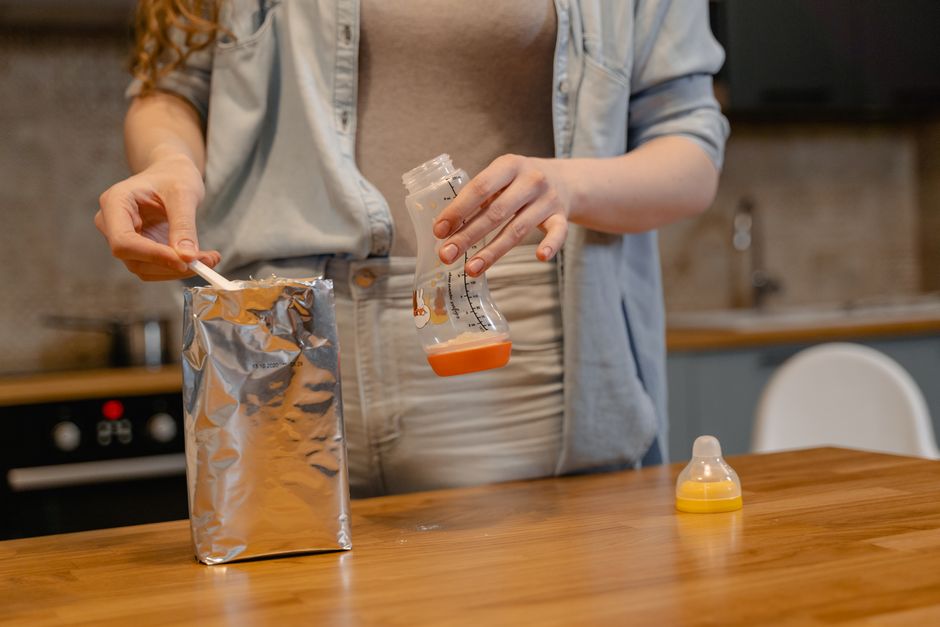
Preparing formula for daycare safely comes down to a few non-negotiables: mix powdered formula with water that has been boiled and then cooled, use clean bottles and nipples, and keep prepared formula cold until feeding time. Powdered formula is not sterile, so it must be mixed with hot water (at least 158°F / 70°C) to kill any bacteria present, then cooled before feeding. Daycares in the US generally require you to supply pre-mixed, labeled bottles rather than powder and water for staff to combine, so check your center’s policy before the first day.
Why Does Water Temperature Matter When Mixing Powdered Formula?
Powdered infant formula is not a sterile product. It can contain Cronobacter sakazakii, a bacterium that is rare but can cause severe illness in infants, particularly newborns and those born prematurely or with weakened immune systems.
The World Health Organization and UNICEF recommend mixing powdered formula with water at a temperature of at least 158°F (70°C). At that temperature, the water is hot enough to kill Cronobacter in the powder. This is a genuine safety step, not a formality.
The practical sequence is straightforward: boil fresh water, let it cool for no more than 30 minutes so it is still hot but not boiling, then add the powder. Mix well. Then cool the bottle quickly by holding it under cold running water or placing it in a bowl of cold water before feeding.
One common misunderstanding: many parents assume “boiled water” means letting water cool to room temperature before mixing. That defeats the purpose. The water needs to still be hot when it contacts the powder.
What Should You Send to Daycare Each Day?
Most US daycare centers ask parents to provide prepared bottles rather than formula powder and water. The exact policy varies by state licensing rules and by the individual center, so confirm before your first drop-off.
On a typical day, you will send:
- Pre-mixed, prepared bottles — one per feeding, labeled with your baby’s name and the date
- Clean nipples and bottle caps, if the center does not supply them
- Any special instructions from your pediatrician in writing
Label everything clearly. Daycares handle many babies at once, and mislabeled bottles are a real risk. Use waterproof labels or a permanent marker on the bottle itself.
Ask the center how they store bottles. Most will refrigerate prepared formula immediately on arrival. Formula that has been sitting at room temperature for more than two hours should be discarded — and that clock starts the moment you mix it, not the moment you arrive at daycare.
How Long Can Prepared Formula Stay in the Fridge?
Prepared formula can be stored in the refrigerator for up to 24 hours. After that, it should be thrown out, even if it looks and smells fine.
This 24-hour window is measured from the time you mix the formula, not from the time your baby first drinks from the bottle. Once a bottle has been started — meaning your baby’s mouth has touched the nipple — it should be used within one hour and any remainder discarded. Bacteria from the baby’s mouth can multiply in the leftover milk.
This is why sending several smaller bottles is often better than one large bottle. If your baby drinks part of a bottle and the daycare discards it, you have not lost an entire feeding.





Can You Mix Formula in Advance and Send It Frozen?
Yes, prepared formula can be frozen, but this is not standard practice and many daycares will not accept frozen formula. The safer and simpler approach is to mix fresh the night before and refrigerate.
If you do freeze formula, thaw it in the refrigerator overnight — never at room temperature or in a microwave. Once thawed, use it within 24 hours and do not refreeze.
Some parents ask about sending formula powder separately and having daycare staff mix it. Most centers will not do this, because of liability and the risk of mixing errors. Confirm with your specific center. If they do allow it, they will need written instructions and a supply of safe water.
What Are the Biggest Formula Safety Mistakes?
The most common errors are not exotic. They are ordinary shortcuts that seem harmless.
- Mixing with cold or room-temperature water. This skips the step that kills bacteria in the powder.
- Adding extra powder to “make it stronger.” Concentrated formula can cause dehydration and kidney stress in infants. Always follow the ratio on the can.
- Adding extra water to stretch the formula. Diluted formula can cause water intoxication and dangerous electrolyte imbalances. Never water it down.
- Warming bottles in the microwave. Microwaves heat unevenly and can scald a baby’s mouth. Use a bottle warmer or a bowl of warm water instead.
- Reusing a bottle your baby already drank from. Discard what is left after one hour.
One point that often surprises parents: you do not need to sterilize bottles after every use once your baby is healthy and past the newborn stage. Washing with hot soapy water and air drying is generally sufficient. Sterilizing is recommended for newborns, premature babies, and babies with immune concerns. Ask your pediatrician if you are unsure which applies to your child.
How Do You Handle Special Formula Types at Daycare?
If your baby uses a specialized formula — such as extensively hydrolyzed, amino acid-based, or a prescription formula — the preparation steps are the same, but the stakes are higher. These formulas are often medically necessary, and mixing errors can cause symptoms to return.
Send written instructions from your pediatrician to the daycare director, not just to the classroom staff. Keep a copy in your baby’s file. Ask that the instructions be posted in the infant room.
For concentrated liquid formula, follow the dilution instructions on the can exactly. For ready-to-feed formula, no mixing is required — just pour, label, and refrigerate. Ready-to-feed is the simplest option for daycare, though it costs more.
What If Your Baby Has a Reaction at Daycare?
Tell daycare staff what signs to watch for. Signs of a possible reaction to formula include vomiting, diarrhea, blood in the stool, excessive fussiness after feeding, or a rash. These can have many causes, and a single episode does not confirm a formula intolerance.
If your baby develops hives, swelling of the face or lips, difficulty breathing, or becomes limp or unresponsive, that is a medical emergency — staff should call 911 immediately. Make sure the daycare has your emergency contact information and your pediatrician’s number on file.
If you suspect a formula intolerance or allergy, stop guessing and talk to your pediatrician. Do not switch formulas on your own based on what you read online — some symptoms that look like formula problems have other causes.
Frequently Asked Questions
Can I mix formula with tap water for daycare?
In most US municipalities, tap water is safe to use for formula after boiling and cooling to at least 158°F (70°C) before mixing. If you are on a private well or have concerns about water quality, use bottled water or check with your local water authority.
Does daycare warm bottles for babies?
Many daycares will warm bottles if you ask, but policies vary. Some centers only serve bottles at room temperature or cold. Ask your center directly and note that warmed bottles should never be heated in a microwave.
How many bottles should I send to daycare?
Send one bottle for each feeding your baby typically has during the hours they are at daycare, plus one extra. Smaller bottles reduce waste if your baby does not finish a feeding.
Can I send formula powder and let daycare mix it?
Most US daycare centers will not mix powdered formula for liability and safety reasons. Confirm your center’s policy in advance, because state licensing rules and individual center policies vary.
