
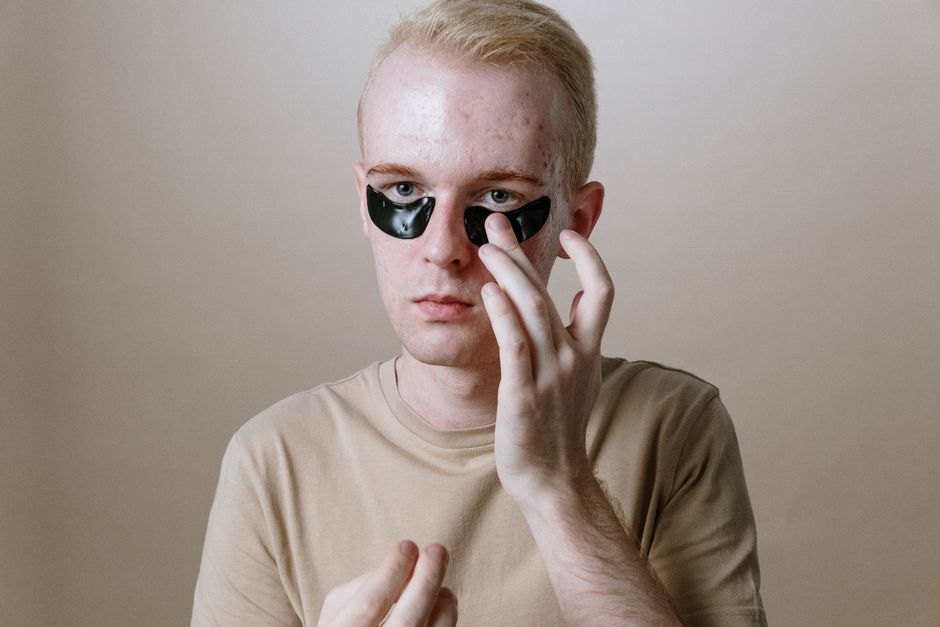
There is no safe way to pop your eyes. The phrase usually refers to three different things: tricks people use to make their eyes “pop” in photos, popping a stye, and relieving pressure behind the eye. Only the first is harmless. Popping a stye can spread infection, and eye pressure that feels wrong needs a doctor, not a home remedy. This article separates the harmless tricks from the genuinely risky ones.
What Does “Popping Your Eyes” Actually Mean?
The phrase gets used for several unrelated things, and mixing them up is where people get hurt.
One meaning is cosmetic. People widen their eyes, raise their eyebrows, or use makeup and lighting to make their eyes look larger in photos and videos. This is a posing trick with no medical risk.
The second meaning is popping a stye. A stye is a small, painful bump on the eyelid caused by a blocked oil gland or an infected eyelash follicle. Most are caused by bacteria, commonly Staphylococcus aureus. People squeeze them the way they would a pimple. This is the risky one.
The third meaning is a feeling of pressure behind or around the eye. That sensation has many possible causes, and a few of them are serious.
These three things have almost nothing in common except the word “pop.” Treating them as the same thing is the core mistake.
How To Pop Your Eyes: The Harmless Photo Tricks
If you want your eyes to look bigger in a photo, the safe methods are all external. None of them involve touching your eyeball.
- Widen slightly and relax your brow. A tense squint makes eyes look smaller. A relaxed forehead opens the eye area.
- Look toward the light. Light reflecting off the iris makes the colored part of the eye look brighter and more defined.
- Use a small amount of highlighter at the inner corner of the eye and just under the brow bone. This is a makeup technique, not a medical one.
- Keep eyelashes separated. Clumped lashes cast shadows that make eyes look smaller.
- Take the photo from slightly above eye level. This is a camera angle trick, nothing more.
None of these change your eye itself. They change how light and shadow fall across your face.
One clarification worth knowing: you cannot make your actual eyeball larger. The size of the eye is fixed by adulthood. Pupils can widen in dim light or with strong emotion, and that changes how much of the iris you see, but it does not change eye size. Any product claiming to enlarge your eyes permanently is selling something that does not exist.
Can You Safely Pop a Stye?
No. You should not squeeze, pop, or pierce a stye, and this is one of the clearer positions in eye care.
A stye is an infection or a blocked gland inside the eyelid tissue. Squeezing pushes bacteria and inflammatory material deeper into the lid. The eyelid has a rich blood supply and thin tissue, so infection can spread quickly. In rare cases, infection from the eyelid area can track into the tissue behind the eye, which is a medical emergency.
Squeezing also raises the risk of the stye coming back, and it can leave a chalazion — a firm, painless lump that can persist for weeks or months.
What actually helps most styes is simple and unglamorous. Warm compresses several times a day encourage the blocked gland to drain on its own. Most styes resolve within a week or two without any intervention. Keeping your hands off your face and not wearing eye makeup or contact lenses until it clears reduces the chance of spreading infection.
See a doctor if the stye is very painful, keeps growing, affects your vision, causes swelling around the whole eye, or does not improve after about a week to ten days. These are general clinical benchmarks, not a substitute for a doctor’s judgment.




What Causes Pressure Behind the Eye?
The feeling of pressure behind the eye has a wide range of causes, and they are not equally serious.
Common and usually not urgent causes include sinus congestion, eye strain from screens, dry eye, allergies, and tension headaches. These tend to come with other clues — a stuffy nose, itchy eyes, or a headache that builds through the day.
More serious causes include inflammation inside the eye, an infection of the tissue around the eye, and acute angle-closure glaucoma. That last one is a genuine emergency. It happens when fluid cannot drain from the eye and pressure rises fast. Signs include severe eye pain, headache, nausea, blurred vision, seeing halos around lights, and a red eye. If that cluster of symptoms appears, it needs emergency care immediately.
There is an important distinction here that gets lost. The pressure you feel is not the same as the pressure inside your eye. Intraocular pressure is measured with a device at an eye exam. A sensation of pressure behind the eye does not tell you anything reliable about your actual intraocular pressure. You cannot feel your intraocular pressure the way you can feel a swollen joint.
Why You Should Never Press on Your Eyeball
Pressing or massaging your eyeball to relieve pressure is not a technique. It is a way to cause harm.
The eye is a fluid-filled structure with a delicate internal architecture. Pushing on it can distort the cornea, stress the structures that drain fluid, and in some people trigger a dangerous spike in pressure rather than relief. It can also scratch the surface of the eye or dislodge a contact lens.
Some people with certain eye conditions are taught specific massage techniques by their eye doctor after surgery. That is a narrow, supervised exception. It is not something to try on your own based on a video.
If your eye feels pressured or painful, the useful action is to rest your eyes, avoid rubbing, and get it checked if it does not settle. Cool compresses over closed lids can feel soothing for tired or dry eyes. That is comfort, not treatment.
When Eye Symptoms Need a Doctor
Most eye discomfort is minor and passes. A few signs mean stop waiting and get seen.
- Sudden severe eye pain, especially with nausea or vomiting
- Vision loss or a sudden change in vision
- Seeing halos or rainbow rings around lights
- Swelling that spreads around the eye or the eye bulges forward
- Fever with eye redness or pain
- An eye injury, chemical exposure, or something stuck in the eye
- A stye that keeps growing or does not improve in about a week to ten days
These are general warning signs, not a diagnostic checklist. A doctor or optometrist can examine the eye directly and measure intraocular pressure, which is the only reliable way to know what is happening.
One honest note about home remedies. Warm compresses for styes and cool compresses for tired eyes are widely used and generally considered low risk, but they are comfort measures, not proven treatments. There is no strong trial evidence that any compress shortens a stye’s course. They are reasonable to try because they are unlikely to hurt, not because they are confirmed to work.
What Actually Helps Eye Comfort
If your goal is eyes that feel and look better, the reliable steps are boring and well supported.
Blink fully and often during screen work. People blink less when staring at a screen, which dries the eye surface. Follow the general 20-20-20 habit many eye care professionals suggest: every 20 minutes, look at something about 20 feet away for about 20 seconds. This is widely recommended for reducing eye strain, though the evidence for it is more about comfort than prevention.
Use lubricating eye drops if your eyes feel dry, and treat allergies if that is the trigger. Get enough sleep, since tired eyes look smaller and feel heavier. Keep hands clean and away from your face, which lowers the chance of introducing bacteria that cause styes.
None of this is dramatic. It is also the part that holds up.
Frequently Asked Questions
Can you pop a stye safely at home?
No. Squeezing a stye can push infection deeper into the eyelid and raise the risk of it returning or leaving a hard lump. Warm compresses and time are the safer approach, and most styes clear within a week or two.
Why does my eye feel like it has pressure behind it?
Common causes include sinus congestion, eye strain, dry eye, and allergies, but severe pain with nausea or vision changes can signal an emergency. The sensation of pressure does not tell you your actual intraocular pressure, which only an eye exam can measure.
How do you make your eyes look bigger in photos?
Use external tricks like relaxing your brow, facing the light, and adding a little highlighter at the inner corner of the eye. You cannot change the actual size of your eyeball, which is fixed by adulthood.
Is pressing on your eye ever a good idea?
Not on your own. Pressing the eyeball can distort the cornea and, in some people, trigger a dangerous rise in eye pressure rather than relief. Only specific supervised techniques taught by an eye doctor after surgery are exceptions.
