
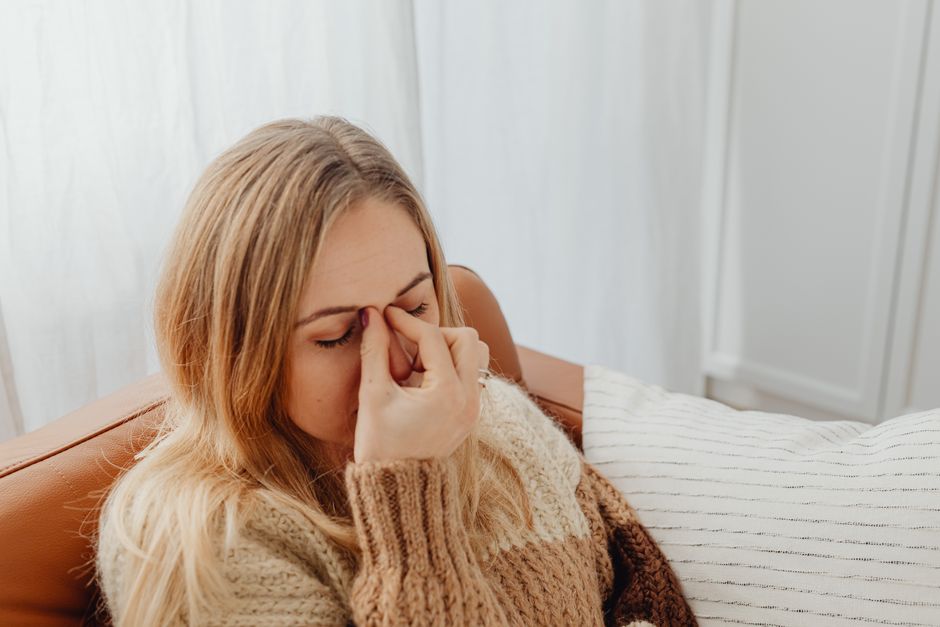
Itchy eyes are usually a sign of an allergic reaction, and the fastest way to calm them is to stop the allergen exposure, apply a cool compress, and use preservative-free artificial tears to rinse the eye. For ongoing relief, antihistamine or mast cell stabilizing eye drops are the most reliable over-the-counter option. Home remedies help with symptoms, but they do not treat the underlying cause.
What Actually Causes Itchy Eyes?
Itching is a specific symptom. It points toward allergy or irritation far more often than infection. That distinction matters because the treatments are different.
When an allergen like pollen, dust mite protein, or pet dander lands on the surface of the eye, it binds to mast cells in the conjunctiva. Those cells release histamine. Histamine triggers nerve endings that produce the itch, and it also opens blood vessels, which causes redness and swelling. This is why an antihistamine works and why a cool compress feels good — cold reduces blood flow and calms nerve firing.
Two main patterns exist. Seasonal allergic conjunctivitis shows up when pollen counts rise, usually spring and fall. Perennial allergic conjunctivitis happens year-round and is often tied to indoor triggers like dust mites, mold, or pets.
Not every red, itchy eye is allergy. Blepharitis, dry eye, and contact lens problems can all cause irritation that people describe as itching. Dry eye in particular is often mistaken for allergy because the sensation is similar. The difference is that allergy usually comes with sneezing, a runny nose, or a clear watery discharge.
If the eye is painful, light-sensitive, or producing thick yellow-green discharge, that is not a typical allergy picture and needs a clinician’s evaluation.
How To Fix Itchy Eyes With Home Remedies
Home remedies reduce symptoms. They do not shorten an allergy season or cure the underlying sensitivity.
The single most effective home step is removing the allergen. If pollen is high, keep windows closed and run air conditioning with a clean filter. Shower and change clothes after being outdoors, since pollen collects on hair and fabric and then transfers to pillows and hands.
Cool compresses are a genuine, low-risk way to reduce itch and swelling. A clean cloth soaked in cool water, or a chilled gel pack wrapped in a towel, applied for a few minutes at a time can calm symptoms. Never place anything frozen directly on the eyelid.
Rinsing the eye with preservative-free artificial tears physically washes allergens off the surface. This is one of the most underrated steps. People reach for medicated drops first, but plain lubrication removes the trigger.
A few habits matter more than people expect:
- Avoid rubbing. Rubbing triggers more histamine release and makes itching worse, which creates a cycle.
- Wash bedding weekly in hot water to reduce dust mites.
- Use allergen-proof covers on pillows and mattresses.
- Keep pets out of the bedroom if pet dander is a trigger.
- Wear wraparound sunglasses outdoors to limit pollen contact.
Some people use cold milk or chilled chamomile tea bags on the eyes. There is no strong clinical evidence these outperform a plain cool compress, and any food product near the eye carries a small risk of contamination or reaction. A clean cool cloth does the same job with less risk.
Which Eye Drops Work Best For Itchy Eyes?
Over-the-counter allergy eye drops fall into a few categories, and they are not interchangeable.
Artificial tears are for rinsing and lubrication. Preservative-free versions are the better choice if you use them more than a few times a day, because preservatives in multidose bottles can irritate the surface with frequent use.
Antihistamine drops block histamine and relieve itch relatively quickly. Some combine an antihistamine with a mast cell stabilizer, which both relieves current symptoms and helps prevent new ones. These combination drops are often the most effective non-prescription option for allergic itch.
Decongestant drops shrink blood vessels and reduce redness. They do not treat itch, and using them for more than a few days can cause rebound redness — the eye becomes redder when you stop. This is a well-documented effect called rebound hyperemia.
Ketotifen is a mast cell stabilizer with some antihistamine activity available over the counter. It works best when used regularly during allergy season rather than only when symptoms flare.
Prescription options exist for more stubborn cases, including stronger antihistamine-mast cell combinations and, for severe allergic eye disease, short courses of topical corticosteroids. Corticosteroid drops should only be used under a clinician’s supervision, because prolonged use can raise eye pressure and increase cataract risk.
| Drop Type | Main Job | Key Limitation |
|---|---|---|
| Preservative-free artificial tears | Rinse allergens, lubricate | No direct anti-itch action |
| Antihistamine / mast cell combo | Relieve and prevent itch | Works best used regularly |
| Decongestant | Reduce redness | Rebound redness with overuse |
| Prescription corticosteroid | Severe inflammation | Requires monitoring; not for routine use |
One clarification worth knowing: oral antihistamines can help eye itch too, especially when allergy symptoms affect the nose and eyes together. But they can dry the eyes, which sometimes makes irritation worse. Eye drops act locally and often work faster for the eyes specifically.



How Should You Use Eye Drops Correctly?
Technique affects how well drops work. A few common mistakes reduce their benefit.
Wash your hands first. Tilt your head back, pull the lower lid down to form a small pocket, and place one drop into that pocket without letting the bottle tip touch your eye or lashes. Touching the tip contaminates the bottle.
After placing the drop, gently press the inner corner of the eye near the nose for about a minute. This keeps the drop on the eye longer and reduces how much drains into the throat, which is what causes that bitter taste.
If you use more than one type of drop, wait a few minutes between them. Using them back to back can wash the first one out.
Check the expiration date. Once opened, many drops should be discarded after a set period listed on the packaging, often around 30 days for preservative-free single-use or multidose bottles. Follow the specific product instructions.
Do not share eye drops with anyone else. This applies even to family members.
When Should You See A Doctor?
Most allergic eye itch is manageable at home. Certain signs mean it is time to get evaluated.
See a clinician if you have eye pain, sensitivity to light, blurred vision that does not clear, or thick discharge. These point away from simple allergy.
Also seek care if symptoms are severe enough to interfere with daily life, if over-the-counter drops are not helping after a reasonable trial, or if the problem lasts for weeks without clear triggers. Persistent symptoms may need a different diagnosis or a prescription approach.
Contact lens wearers should remove lenses and stop wearing them until symptoms resolve. Allergic reactions and lens-related irritation can look similar, and continuing to wear lenses can worsen the surface of the eye.
Children with itchy eyes should be evaluated rather than treated with adult drops, since some products are not appropriate for younger ages. No clinical guidelines support using adult allergy drops in young children without medical guidance.
Can You Prevent Itchy Eyes Before They Start?
Prevention is more effective than treatment for seasonal allergy. Starting drops before symptoms peak often works better than waiting until the itch is established.
Track pollen counts and limit outdoor time on high-count days, especially in the morning when counts tend to be highest. Keep windows closed during peak season and change air filters on schedule.
For people with known seasonal allergies, some clinicians recommend starting mast cell stabilizing drops a week or two before the usual season begins, since these drops work by preventing mast cell activation rather than reversing it. This is common practice and biologically sound, though individual results vary.
Indoor triggers need a different approach. Reducing dust mites through bedding covers, frequent hot-water washing, and lowering indoor humidity helps. For pet allergy, limiting where the pet sleeps makes a measurable difference for many people.
None of these steps eliminate allergy. They reduce the allergen load, which reduces how often and how hard the eyes react.
Frequently Asked Questions
What is the fastest way to stop itchy eyes?
A cool compress plus rinsing with preservative-free artificial tears relieves itch quickly by calming nerves and washing away allergens. An antihistamine eye drop works fast for allergic itch.
Are antihistamine eye drops safe to use every day?
Antihistamine and mast cell stabilizing drops are generally used daily during allergy season and are considered safe for regular short-term use. Decongestant drops are different and should not be used for more than a few days because of rebound redness.
Can I use the same eye drops as my child?
No. Some eye drops are not appropriate for children, and dosing differs by age. A clinician should advise on the right product for a child.
Do home remedies like cold milk or tea bags actually work?
There is no strong clinical evidence they work better than a plain cool compress. A clean cool cloth is safer and equally effective for most people.
