
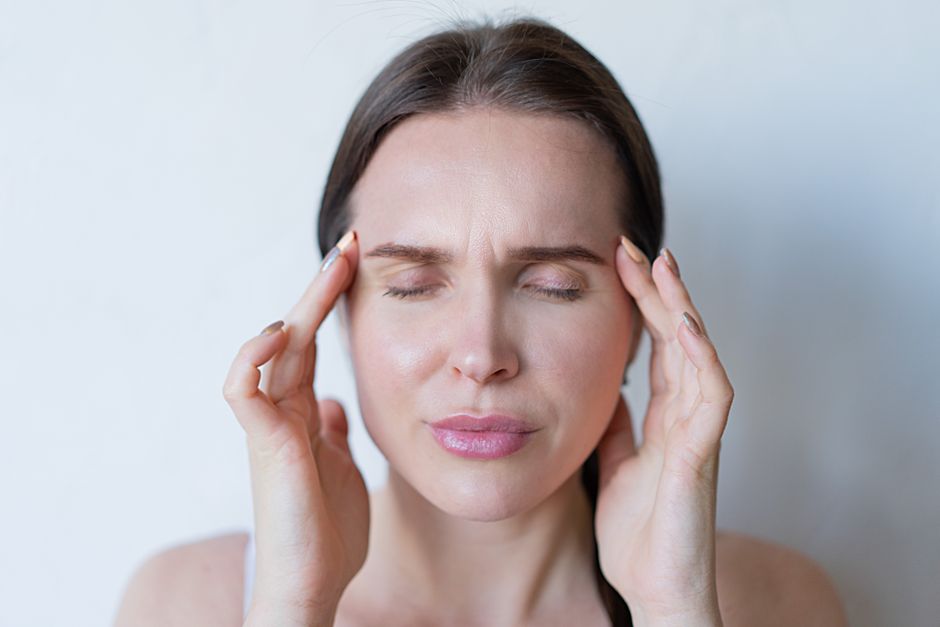
That rush of pressure in your head and ears when you stand up has a name in medicine. It usually comes down to a fast drop in blood pressure that briefly reduces blood flow to the brain, or to the way your inner ear senses motion and position. Standing pulls blood toward your legs and belly. Your body normally corrects for this within seconds by tightening blood vessels and nudging your heart rate up. When that correction is slow or weak, you feel it as pressure, fullness, or a swimmy sensation in your head and ears.
What Causes Pressure In Head And Ears When Standing Up?
The most common cause is a temporary dip in blood pressure on standing. Doctors call the drop itself orthostatic hypotension, and it is defined by a specific, measurable fall: a decrease of at least 20 mmHg in systolic pressure or at least 10 mmHg in diastolic pressure within three minutes of standing. When that happens, blood pools in the lower body and less reaches the brain for a moment.
The ear part is often a separate system. Your inner ear contains fluid-filled canals that help you sense balance and position. Sudden changes in blood flow, blood pressure, or head position can make that system send confusing signals, which registers as pressure, fullness, or ringing in the ears.
In many people, the two overlap. A quick stand triggers a blood pressure dip, the brain gets slightly less blood for a few seconds, and the inner ear’s balance signals briefly disagree with what your eyes and muscles are reporting. The result is that heavy, full, head-and-ears feeling.
It is worth separating two things that get lumped together. The sensation of pressure is real, but it is not usually physical pressure building up inside your skull. It is your nervous system interpreting a short-lived change in blood flow and balance input.
Why Does Standing Up Change Blood Flow To The Head?
Gravity is the whole story. When you are lying down, your heart and brain are at roughly the same level, so blood reaches the brain easily. The moment you stand, your heart has to push blood upward against gravity, and a large volume of blood settles in the veins of your legs and abdomen.
A healthy body responds in under a second. Pressure sensors in your neck and chest detect the shift and signal your nervous system to tighten blood vessels, squeeze blood back toward the heart, and slightly increase heart rate. This reflex keeps blood flow to the brain steady.
When that reflex is delayed or weakened, blood pressure falls further and faster than it should. The brain notices the reduced flow. Many people describe the result as a wave of pressure, lightheadedness, or a muffled feeling in the ears.
This is why the sensation is worst in the first few seconds after standing and usually fades quickly once the reflex catches up.
What Makes This More Likely To Happen?
A range of ordinary and medical factors can weaken the standing-up response. Dehydration is one of the most common. Less fluid in your body means less blood volume to work with, so the drop on standing is bigger.
Other common contributors include:
- Standing up quickly after sitting or lying for a long time
- Being overheated, such as after a hot shower or time in the sun
- Eating a large meal, which diverts blood to the digestive tract
- Prolonged bed rest or recovery from illness
- Pregnancy, especially in the later months
- Older age, because the reflex tends to slow with time
- Certain medications, including some blood pressure drugs, diuretics, and antidepressants
- Conditions that affect the nerves controlling blood vessel tone, such as diabetes-related nerve damage
Medication is a frequent and often overlooked factor. If the timing of your symptoms lines up with a new prescription or a dose change, that is worth mentioning to a clinician rather than guessing.



When Is It Just Your Inner Ear?
Sometimes the ears are the main event, not the blood pressure. The inner ear handles balance, and when its signals are disturbed, you can feel pressure or fullness in the ears along with dizziness or a spinning sensation.
Conditions that affect the inner ear can produce a similar head-and-ears feeling, though usually not tied so tightly to standing. These include:
- Benign paroxysmal positional vertigo, where tiny crystals in the inner ear shift and trigger brief spinning with head movement
- Meniere’s disease, which can cause episodes of vertigo, ear fullness, ringing, and fluctuating hearing loss
- Inner ear inflammation, often following a cold or infection
The clue is timing. If the pressure hits within seconds of standing and eases just as fast, blood pressure is the more likely driver. If it comes with spinning that lasts minutes to hours, or with hearing changes, the inner ear deserves a closer look.
What Does The Pressure Actually Feel Like?
People describe it in different ways, which is part of why it can be confusing. Common descriptions include a heavy or full feeling in the head, a muffled or plugged sensation in one or both ears, brief lightheadedness, and sometimes a moment of blurred or dimmed vision.
Some people notice a rushing or ringing sound in the ears. Others feel unsteady for a second or two. The sensation usually peaks right after standing and fades within seconds to a minute as blood flow and balance signals settle.
If the feeling lasts much longer, comes with chest pain, or happens alongside fainting, that changes the picture and points toward a different evaluation.
When Should You Take It Seriously?
An occasional brief head rush on standing is common and often harmless. It becomes worth medical attention when it is frequent, when it causes fainting or near-fainting, or when it interferes with daily life.
Seek prompt care if the pressure or dizziness on standing comes with:
- Fainting or loss of consciousness
- Chest pain, palpitations, or shortness of breath
- Sudden severe headache unlike any before
- Weakness, numbness, or trouble speaking
- Hearing loss or persistent ringing in the ears
- Symptoms that keep getting worse over time
These signs can point to causes that need a proper workup. A clinician can measure your blood pressure while lying down and again after standing, which is the standard way to detect orthostatic hypotension. That simple test often clarifies the picture quickly.
What Helps Reduce The Sensation?
For the common blood-pressure-related version, the practical steps focus on keeping blood volume steady and giving your body a moment to adjust. These are general measures, not a substitute for medical advice tailored to you.
- Stand up in stages rather than jumping to your feet
- Stay well hydrated through the day
- Avoid long periods of standing still, which lets blood pool in the legs
- Flex your legs or shift your weight before standing after a long sit
- Be cautious with very hot showers and prolonged heat exposure
- Review medications with a clinician if timing suggests a link
If you have been diagnosed with orthostatic hypotension, some clinicians recommend compression stockings or specific changes to eating and fluid intake. The evidence for these varies, and the right approach depends on the underlying cause, so this is a conversation to have with your doctor rather than something to self-prescribe.
For inner-ear causes, treatment depends entirely on the diagnosis. Positional vertigo, for example, is often treated with specific repositioning maneuvers performed by a clinician, while other inner-ear conditions are managed differently. There is no single fix that covers all of them.
Does It Mean Something Is Wrong With Your Brain?
No, in the great majority of cases the sensation does not indicate a brain problem. It reflects a short-lived change in blood flow and balance signaling, not damage.
That said, symptoms that are sudden, severe, or paired with neurological signs are a different matter and should be evaluated urgently. The presence of weakness, speech trouble, or a thunderclap headache is not something to explain away as a simple head rush.
The honest position is this: a brief pressure feeling on standing is usually benign and self-correcting. Persistent, worsening, or fainting-related symptoms deserve a real medical assessment rather than reassurance.
Frequently Asked Questions
Why do I feel pressure in my head and ears when I stand up?
It usually comes from a brief drop in blood pressure on standing that temporarily reduces blood flow to the brain, sometimes combined with inner-ear balance signals. The sensation typically fades within seconds as your body corrects the change.
Is pressure in the head and ears when standing up dangerous?
An occasional brief head rush is common and generally not dangerous. It becomes a concern when it is frequent, causes fainting, or comes with chest pain, severe headache, or neurological symptoms.
How is orthostatic hypotension diagnosed?
It is diagnosed by measuring blood pressure while lying down and again within three minutes of standing. A drop of at least 20 mmHg systolic or 10 mmHg diastolic meets the standard definition.
Can dehydration cause head and ear pressure when standing?
Yes. Dehydration lowers blood volume, which makes the blood pressure drop on standing larger and the sensation more noticeable. Drinking enough fluid through the day is a general measure that can help.
