
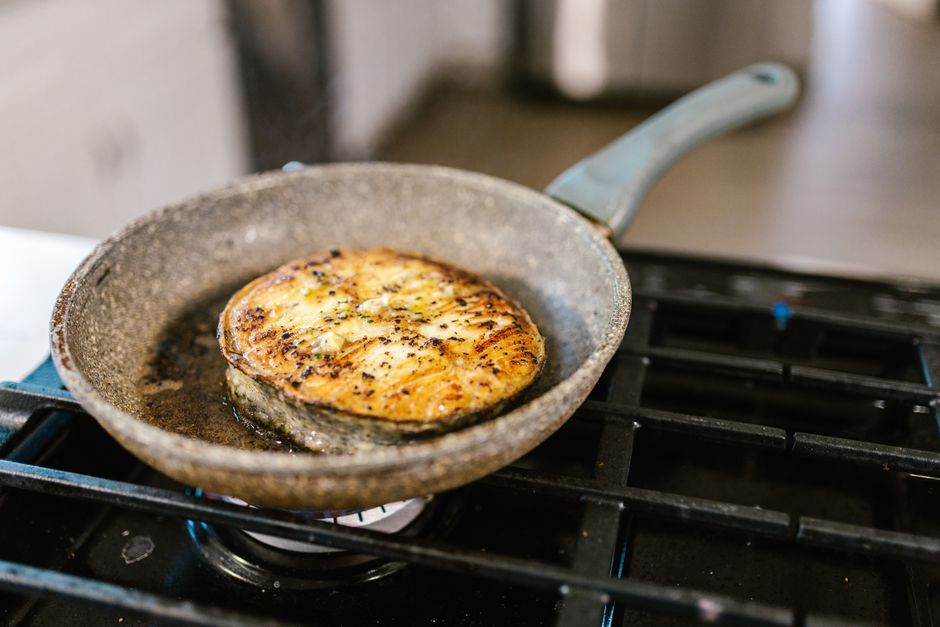
When you compare branzino and salmon, the answer depends entirely on what you mean by “healthier.” Salmon wins for omega-3 fats and vitamin D, while branzino wins for fewer calories and lower contaminant risk. Both are excellent sources of lean protein, but they serve different nutritional purposes. If your goal is heart and brain health through omega-3s, salmon is the stronger choice. If you want a mild, low-calorie white fish you can eat more often without worrying about mercury or fat intake, branzino is a solid option.
What Is Branzino and How Does It Compare to Salmon?
Branzino is the Italian name for European sea bass, a white fish found in the Mediterranean and eastern Atlantic. It has a mild, slightly sweet flavor and a flaky texture. Salmon is an oily fish with a richer taste and higher fat content. The two fish differ significantly in their nutritional profiles because of that fat difference.
Salmon is classified as a fatty fish. Branzino is a lean or semi-lean fish. That single distinction drives most of the nutritional differences between them. Fat in fish carries fat-soluble vitamins and omega-3 fatty acids, so salmon naturally delivers more of those nutrients.
Is Branzino Healthier Than Salmon A Nutrition Breakdown: Omega-3 Fatty Acids
Omega-3 fatty acids are the main reason health experts recommend eating fish regularly. Two specific types — EPA and DHA — support heart health, brain function, and help reduce inflammation. The human body cannot make these fats efficiently, so you must get them from food.
Salmon is one of the richest dietary sources of EPA and DHA. A standard serving of farmed Atlantic salmon provides about 1.5 to 2 grams of combined EPA and DHA. Wild salmon varies but generally provides a similar or slightly lower amount depending on the species. Branzino provides much less — roughly 0.3 to 0.5 grams per serving. That is not zero, but it is a fraction of what salmon offers.
If you eat fish specifically for omega-3s, salmon is the clear winner. The American Heart Association recommends eating fish — particularly fatty fish — at least twice a week for heart health. Branzino counts as fish, but it does not deliver the same omega-3 punch. If you prefer branzino, you may need to supplement omega-3s or eat other fatty fish like sardines or mackerel to meet your needs.
Protein, Calories, and Satiety Comparison
Both fish are excellent protein sources. A 3.5-ounce cooked serving of salmon contains about 22 to 25 grams of protein. Branzino provides roughly 20 to 22 grams. The difference is small and unlikely to matter for most people.
Calories tell a different story. Salmon is calorie-dense because of its fat content. A 3.5-ounce serving of cooked salmon contains about 200 to 250 calories, depending on whether it is wild or farmed. Branzino comes in around 120 to 130 calories for the same serving size. If you are managing your weight or tracking calories closely, branzino lets you eat a substantial portion for fewer calories.
However, fat affects satiety. Salmon’s higher fat content helps you feel full longer. Some people find that a smaller serving of salmon satisfies them as much as a larger serving of branzino. That makes the calorie comparison less straightforward in practice.





Vitamins and Minerals: Where Each Fish Excels
Salmon is a standout source of vitamin D, which is rare in food. A single serving can provide over half of your daily vitamin D needs. Branzino contains some vitamin D but significantly less. For people who live in northern climates or spend little time in the sun, salmon is a practical way to maintain vitamin D levels.
Branzino holds its own with certain minerals. It provides meaningful amounts of selenium, which supports thyroid function and acts as an antioxidant. Both fish supply B vitamins, particularly B12, which is vital for nerve health and red blood cell formation. Salmon also contains more vitamin B6 and niacin than branzino.
Potassium and phosphorus are present in both fish at comparable levels. Neither fish is a major source of iron or calcium. If you are choosing based on vitamins, salmon covers more bases. If you are tracking minerals specifically, the difference is less dramatic.
Contaminants and Safety: Mercury, PCBs, and Farming Practices
Mercury is a valid concern for anyone eating fish regularly. Larger, older predatory fish accumulate more mercury. Salmon is a smaller fish with a shorter lifespan, so it generally has low mercury levels. Branzino is also low in mercury. Both fish are considered safe choices for regular consumption.
For pregnant women and young children, the FDA categorizes both salmon and branzino as “Best Choices” — the lowest mercury category. You can safely eat 2 to 3 servings per week from this category. That guidance is well established and widely accepted.
Farming practices introduce another variable. Most salmon sold in the US is farmed Atlantic salmon. Farmed salmon historically carried concerns about polychlorinated biphenyls (PCBs) and antibiotic use, though practices have improved. Branzino is also commonly farmed, particularly in the Mediterranean. Both farmed fish can contain trace levels of contaminants, but neither poses a health risk at typical consumption levels.
Wild-caught versions of both fish are available but cost more. Wild salmon has a slightly different nutrient profile than farmed — generally fewer calories and less fat, but similar omega-3 content. Wild branzino is less common in US markets than farmed branzino.
Environmental and Sustainability Considerations
Sustainability is a health issue because it affects the long-term availability of these fish. Salmon farming has a mixed record. Open-net pen farming can spread disease to wild populations and release waste into surrounding waters. Some certifications, like the Aquaculture Stewardship Council, indicate better practices, but the system is imperfect.
Branzino farming has a lower environmental footprint in some ways. It requires less feed and produces less waste than salmon farming. However, branzino is a carnivorous fish, meaning its feed includes fishmeal and fish oil from wild-caught forage fish. That creates pressure on smaller fish populations.
Neither fish is a perfect sustainability choice. Wild-caught Alaskan salmon is generally considered the most sustainable salmon option. Mediterranean branzino from responsible farms is a reasonable choice. If sustainability matters to you, look for eco-labels and ask your fishmonger about sourcing.
Taste, Cooking, and Practical Considerations
Taste is a legitimate factor in nutrition because you have to actually eat the fish. Salmon has a robust, distinctive flavor that some people love and others find too strong. Branzino is mild and delicate, making it a better choice for people who dislike fishy tastes or for dishes with subtle seasonings.
Branzino is often cooked whole, which can be intimidating for home cooks. It also has more small bones than salmon, which is typically sold as boneless fillets. If convenience matters, salmon is easier to prepare and eat.
Both fish cook quickly. Salmon is forgiving and hard to overcook into dryness because of its fat content. Branzino is leaner and can dry out if overcooked. For a home cook, salmon is the more foolproof option. For someone who enjoys cooking and wants a lighter meal, branzino is worth the extra attention.
Which Fish Should You Choose?
There is no universal answer. The best choice depends on your health goals, dietary needs, and preferences.
Choose salmon if you want maximum omega-3 intake, more vitamin D, or a more filling meal. Choose branzino if you want fewer calories, a milder flavor, or a lighter protein source that you can eat frequently without exceeding your fat goals.
Many people benefit from eating both. Salmon twice a week covers your omega-3 needs. Branzino on other days adds variety and keeps your calorie intake moderate. Neither fish is “bad” — they simply serve different purposes in a balanced diet.
Frequently Asked Questions
Is branzino high in mercury?
No, branzino is a low-mercury fish. Both the FDA and EPA place it in the “Best Choices” category, meaning you can safely eat 2 to 3 servings per week.
Can I eat branzino instead of salmon for omega-3s?
Not effectively. Branzino contains about 0.3 to 0.5 grams of omega-3s per serving, while salmon provides 1.5 to 2 grams. You would need to eat several servings of branzino to match one serving of salmon.
Which fish is better for weight loss?
Branzino has fewer calories — about 120 to 130 per 3.5-ounce serving versus 200 to 250 for salmon. However, salmon’s higher fat content may keep you full longer, which can also support weight management.
Is farmed branzino as healthy as wild branzino?
Farmed and wild branzino have similar protein and calorie profiles. Farmed fish may have slightly more fat due to feed, but both are low in mercury and safe to eat regularly.
