
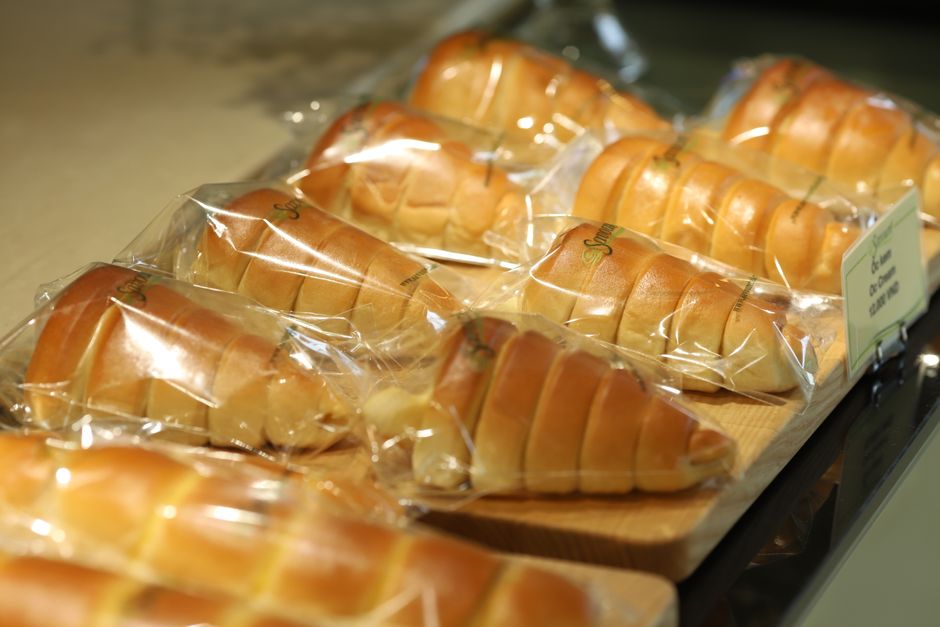
The best way to package bread depends on one thing: whether you plan to eat it soon or freeze it. For bread you will eat within a day or two, keep it in a paper bag or a bread box so air can move and the crust stays crisp. For anything longer than that, slice it, wrap it tightly, and freeze it. That single decision — eat now or freeze — solves most of the freshness problem before you even pick a wrapper.
Gifting bread follows the same logic. A loaf given away today should be wrapped so it looks good and breathes a little. A loaf given as a gift to be eaten later should be frozen and handed over with simple instructions. Everything else — plastic bags, foil, cloth, fancy tins — is a detail layered on top of that core choice.
Why Does Bread Go Stale So Fast?
Staling is not the same as drying out, and this trips people up constantly. Bread goes stale mainly because of starch retrogradation — a real chemical process where starch molecules that were gelatinized during baking slowly re-crystallize. As they re-form into ordered structures, they squeeze out water and the crumb turns firm and leathery. This happens even in a sealed bag with no moisture loss at all.
Temperature drives that process. Starch retrogradation moves fastest around refrigerator temperatures, which is why cold storage is the worst place for most bread. It moves more slowly at room temperature and nearly stops when the bread is frozen. This is the single most useful fact in bread storage, and it explains almost every recommendation that follows.
There is a second, separate problem: moisture migration. Crust and crumb have different water content, and over time water moves between them and out into the air. A crisp crust goes soft; a soft crumb goes dry. Packaging controls this part. It cannot stop retrogradation, but it can slow moisture loss.
So two forces are working against you at once. One is chemistry inside the starch. The other is water moving around. Good packaging addresses the second and freezing addresses the first.
What Is The Best Way To Package Bread To Keep It Fresh?
Match the packaging to how fast you will eat it. There is no single best wrapper, because a crusty sourdough and a soft sandwich loaf have opposite needs.
For bread eaten within about two days, a paper bag is a solid choice. Paper lets the crust breathe so it stays crisp, while slowing moisture loss enough to keep the interior from drying out too quickly. A bread box works the same way and adds a dark, stable environment. Cloth wraps behave similarly. None of these are airtight, and that is the point for short-term storage.
For bread eaten over several days, plastic is the practical option — with a tradeoff. A plastic bag or airtight container traps moisture, which keeps the crumb soft but ruins a crisp crust. It turns crackly bread soft and eventually soggy. If you want to keep crust crisp and crumb soft at the same time, the standard trick is to store the loaf cut-side down on a board, or wrap the cut face in plastic while leaving the crust exposed.
Here is where packaging meets the staling problem. No wrapper available to a home baker stops starch retrogradation. Plastic slows moisture loss but does nothing about the chemistry. That is why a plastic-wrapped loaf still goes firm within a few days, and why freezing is the only method that meaningfully pauses the process.
- Paper bag or cloth: best for crusty bread eaten within about two days
- Plastic bag or airtight container: best for soft bread eaten over several days, softens crusts
- Cut-side down on a board: keeps crust crisp while protecting the cut face
- Foil: blocks air well but traps moisture and softens crust fast
- Freezer: the only option that slows staling for weeks
Should You Ever Put Bread In The Refrigerator?
For most bread, no. The refrigerator sits right in the temperature range where starch retrogradation happens fastest, so a refrigerated loaf can go stale faster than one left on the counter. This is a well-established food science finding, and it surprises people who assume cold always means fresher.
There are exceptions worth knowing. A refrigerated loaf is more resistant to mold growth, so in a very humid climate or for someone who cannot eat a loaf quickly, refrigeration can be a tradeoff between staling and spoilage. Bread that will be toasted or heated before eating also hides staleness better, since reheating reverses some retrogradation — this is why a stale slice often softens again in a toaster or oven.
If you must refrigerate, keep it airtight. The staling will still happen faster than at room temperature, but at least the loaf will not dry out on top of it.




How Do You Freeze Bread So It Comes Back Fresh?
Freezing is the best home method for long-term bread storage because it nearly halts starch retrogradation. The key is to freeze it fast and wrap it well, so ice crystals stay small and the surface does not dry out.
Slice the loaf before freezing unless you plan to use it whole. Slicing lets you take out only what you need, which means you never thaw and refreeze the same loaf. Wrap tightly in plastic wrap, then place in a freezer bag or airtight container to block freezer burn. Squeeze out as much air as you can. Label it with the date.
Frozen bread keeps well for a few months at typical freezer temperatures. Beyond that, quality declines even though safety is not usually the concern. To thaw, leave it at room temperature in its wrapping, or reheat slices directly from frozen in a toaster or oven. Reheating does more than warm the bread — it reverses some of the starch retrogradation that causes firmness, so a thawed slice often tastes closer to fresh than its age would suggest.
One practical note: freezing does not sterilize bread. If a loaf already has visible mold, freezing will not make it safe to eat. Mold can produce compounds that spread through the loaf even where you cannot see them, so discard moldy bread rather than trimming around it.
How To Package Bread To Gift It Right
A gifted loaf should look intentional and travel well. The packaging depends on when the person will eat it.
If the bread will be eaten the same day or the next, wrap it in parchment or a clean cloth, tie it with twine, and hand it over. This keeps the crust presentable and lets the bread breathe. A paper bag with a folded top and a simple tag works just as well and looks tidy.
If the bread is meant to be kept longer, freeze it first and give it frozen, wrapped airtight. Include a short note with thawing instructions so the recipient does not leave it on the counter for two days. A frozen loaf given with clear directions is a better gift than a fresh loaf that goes stale before anyone eats it.
A few gifting details that matter more than they seem:
- Cool the loaf completely before wrapping. Wrapping warm bread traps steam and makes the crust soggy.
- Avoid sealing a fresh loaf in plastic for a gift if you want the crust crisp — it will soften in transit.
- If you add a jar of something moist, keep it separate so it does not transfer moisture to the bread.
- For a gift basket, put the bread on top and let it breathe rather than sealing the whole basket airtight.
Does The Type Of Bread Change How You Should Package It?
Yes, and it is worth adjusting for. Bread type changes the balance between crust and crumb, and that changes what packaging does.
Crusty, lean breads — sourdough, baguettes, rustic loaves — have a dry, crackly crust that is the whole point. These do best in paper or cloth for short storage, because airtight plastic destroys the texture people paid for. Soft enriched breads — sandwich loaves, brioche, milk bread — have a tender crust and a moist crumb, and they hold up well in plastic for several days because there is no crisp crust to protect.
Flatbreads and dense, moist breads behave differently again. Many keep well wrapped at room temperature and also freeze cleanly. Very moist quick breads, like banana or zucchini bread, tend to stay soft longer and are more prone to mold, so they benefit from refrigeration or freezing sooner than a dry yeast loaf would.
The principle stays constant even as the details shift: protect the crust if it is crisp, protect the crumb if it is soft, and freeze anything you will not finish quickly.
Frequently Asked Questions
How long does homemade bread stay fresh?
Most homemade bread stays at its best for about one to two days at room temperature, then begins to firm up from staling. Freezing is the only method that keeps it close to fresh for weeks.
Is it better to store bread in plastic or paper?
Paper is better for crusty bread you will eat within a day or two, because it keeps the crust crisp. Plastic is better for soft bread you will eat over several days, but it softens any crisp crust.
Can you freeze bread to keep it fresh?
Yes, freezing is the most effective home method for long-term storage because it nearly stops the starch retrogradation that causes staling. Wrap it tightly and freeze it sliced so you can thaw only what you need.
Why does bread go stale in the fridge?
Refrigerator temperatures speed up starch retrogradation, the process that makes bread firm, so a refrigerated loaf can stale faster than one kept at room temperature. Refrigeration mainly helps by slowing mold growth, not by keeping bread fresh.
