
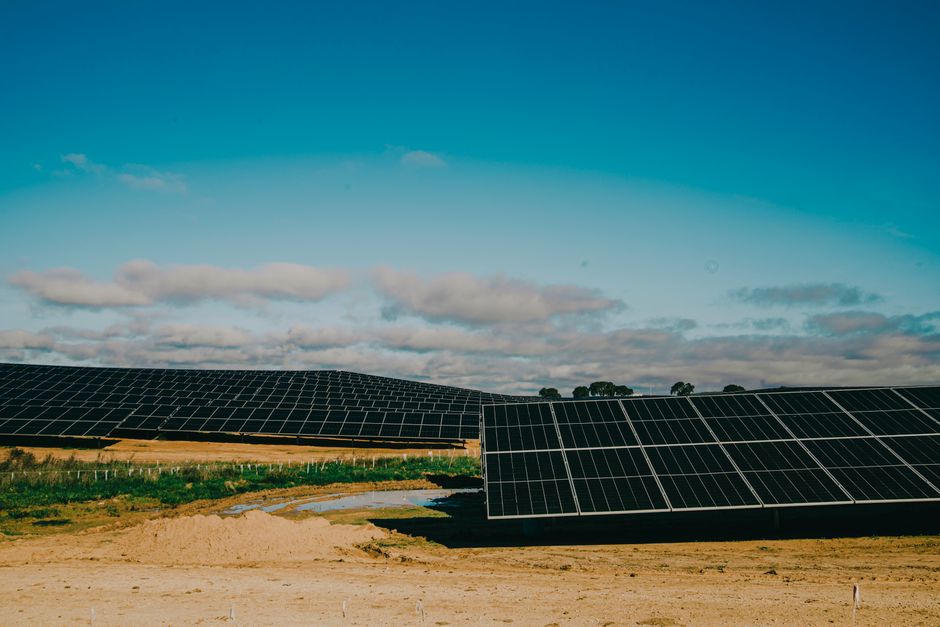
Opposing a solar farm near your home starts with understanding the local approval process and organizing your community early. The most effective approach combines factual research, active participation in public hearings, and building a coalition of neighbors who share your concerns. You do not need to be a lawyer or land-use expert to make your voice heard, but you do need to show up prepared.
Why Do Solar Farms Face Local Opposition?
Large-scale solar projects bring visible change to a community. For many residents, the concerns are practical. They worry about property values, visual impact, noise from inverters, and the loss of agricultural land. Some worry about environmental effects on local wildlife or drainage patterns.
These concerns are legitimate even when the project itself is clean energy. The conflict is rarely about whether solar power is good. It is about whether this specific location is the right place for an industrial-scale installation. That distinction matters when you speak at public meetings.
Solar developers are not villains. They are companies following a process. Your job is to make sure that process works the way it is supposed to — with full public input and proper scrutiny of the details.
How Do I Find Out About a Proposed Solar Farm Early?
Early awareness gives you time. The moment you hear a rumor about a solar project, start checking official sources. County planning departments post applications, zoning change requests, and environmental review documents on their websites. These records are public. You have a legal right to see them.
Check the local planning commission agenda. Most counties publish agendas about a week before each meeting. Solar projects typically require multiple approvals, including conditional use permits, zoning amendments, or special exceptions. Each step is a public meeting where you can speak.
Talk to your county supervisor or commissioner. Their office can tell you where the project stands in the approval process and what hearings are scheduled. Ask for the project file number so you can track documents as they are added.
Your county assessor’s office can tell you who owns the land. This information helps you understand whether the developer has purchased the property or is working under an option agreement with the current owner. It also tells you how large the parcel is and what it is currently used for.
What Arguments Are Most Effective at Public Hearings?
Personal preference is not enough. “I do not want to look at it” will not change a decision. Effective opposition focuses on documented impacts that the board must consider under the law.
Property value concerns are common but hard to prove. Some studies show solar farms can affect nearby home values, while others show minimal impact. The evidence is mixed. Do not claim a guaranteed drop in value. Instead, ask the board to require an independent property value study for homes within a certain distance of the project.
Land use is a stronger argument in agricultural areas. Many counties have farmland preservation policies. If the project sits on prime farmland, ask whether the county’s own comprehensive plan protects that land. A project that conflicts with the county’s adopted land use plan faces a higher bar for approval.
Environmental concerns can be compelling when they are specific. Ask about stormwater runoff plans, endangered species on the property, and the decommissioning plan. What happens to the panels and equipment in 25 or 30 years? Who pays to remove them? Many jurisdictions require a financial guarantee for decommissioning. Ask whether the county has one in place.
Fire safety is a growing concern. Solar farms include electrical equipment, transformers, and battery storage in some cases. Ask the developer and the fire marshal about emergency access roads and response plans. If the county fire department has not been consulted, that is a legitimate gap.





How To Oppose A Solar Farm Being Built Near You Through the Legal Process
Public hearings are only one part of the process. You can also file formal comments during the environmental review period. Many projects require an environmental assessment under state law. Written comments submitted during the public comment window become part of the official record. They must be addressed by the agency reviewing the project.
Written comments should be specific. Cite the page of the environmental document where you see a gap or an error. Ask questions that require a written response. This creates a paper trail that matters if the decision is later challenged.
If the project requires a zoning change, that is a separate process from the conditional use permit. Both have public hearings. Speak at both. The zoning decision is often the more consequential one because it changes what can be built on the land permanently, not just for this one project.
Consider whether your state has a public utilities commission that must approve the project. Some large solar farms sell power under long-term contracts that require state approval. That approval process has its own public comment period. Even if the county approves the project, the state commission can reject the power purchase agreement.
If the project is on land with conservation easements or agricultural preservation restrictions, those legal documents may prohibit solar development. Check the deed records. A conservation easement held by a land trust or government agency can stop a project even after local approvals are granted.
How Do I Organize My Neighbors Effectively?
One voice at a hearing is easy to dismiss. Fifty voices are not. Organizing starts with a simple list of neighbors and their contact information. Walk the area around the proposed site. Talk to people directly. Most will share your concerns once they know what is planned.
Create a simple website or social media page with the project details, meeting dates, and copies of key documents. Keep it factual. Do not post rumors or unverified claims. A credible opposition group gets more respect from the board than one that spreads misinformation.
Assign roles. Someone tracks documents. Someone coordinates speakers for hearings. Someone handles press inquiries. Someone manages the website. This division of labor keeps the group sustainable over what may be a year-long process.
Make it easy for people to attend meetings. Most people will not speak, but their presence matters. A full room sends a message. Arrange carpools. Provide talking points for those who want to speak but do not know what to say. Practice with them beforehand.
When Should I Consider Hiring an Attorney?
An attorney is not necessary at the start. The early stages are about gathering information and participating in public process. You can do that yourself. But there are moments when legal help becomes valuable.
If the county denies your records request, an attorney can file a public records act request. If the board votes to approve the project despite documented procedural errors, an attorney can advise on whether an appeal is viable. If the project moves forward and you believe the approval violated state law, an attorney can file a lawsuit challenging the decision.
Land use attorneys often charge by the hour. Some offer free initial consultations. Before hiring anyone, ask about their experience with solar projects specifically. This is a specialized area of land use law, and general practitioners may not know the relevant statutes.
Litigation is expensive and uncertain. Courts generally defer to local boards on land use decisions unless the board clearly violated the law or its own procedures. An attorney can tell you honestly whether you have a case worth pursuing.
What Are Realistic Outcomes of Opposition?
Some opposition efforts stop projects entirely. Developers withdraw when the political climate turns hostile or the approval process becomes too costly. This happens, but it is not the most common outcome.
More often, opposition changes the project. The developer reduces the footprint. They move panels away from property lines. They add vegetative screening. They agree to a smaller battery storage component. They commit to a stronger decommissioning fund. These changes may not stop the project, but they can meaningfully reduce its impact on your neighborhood.
Sometimes the project is approved exactly as proposed. That outcome does not mean your effort failed. You participated in the democratic process. You forced the board to consider the issues. You created a record that protects the community’s interests in the future. Those are real accomplishments even when the final decision goes against you.
Frequently Asked Questions
How much time do I have to oppose a solar farm?
You have until the final approval vote, but the earlier you act the better. Most projects take months to move through the approval process, and public comment windows close before final decisions are made.
Can a homeowners association stop a solar farm?
An HOA can only act if the solar farm is within its jurisdiction, which is rare for large utility-scale projects. HOAs have more authority over rooftop solar on individual homes than over industrial projects on nearby land.
Do solar farms lower property values?
Research shows mixed results, with some studies finding small negative effects on nearby homes and others finding no measurable impact. The evidence does not support a claim that property values will definitely drop.
Can I sue to stop a solar farm?
You can sue only after the approval process is complete, and only on legal grounds such as procedural errors or violations of local zoning law. Courts generally do not overturn approvals simply because neighbors disagree with the decision.
