
When your airways feel tight or blocked, the fastest relief usually comes from simple physical steps you can do right now: sit upright, lean slightly forward, breathe slowly through your nose, and use steam or a saline nasal rinse to loosen mucus. These actions do not treat a medical emergency, but for ordinary congestion or mild tightness they can ease breathing within minutes. If you are struggling to breathe, cannot speak in full sentences, or your lips look blue, call 911 — that is not a moment for home remedies.
What Actually Happens When Your Airways Feel Blocked?
Your airways are a branching network of tubes that carry air from your nose and mouth down into your lungs. When they narrow, air has a harder time moving through.
Narrowing usually happens in one of three ways. The lining of the tubes can swell, which happens with colds, allergies, and asthma. Mucus can build up and physically block the passage. Or the muscles wrapped around the airways can tighten, which is the hallmark of asthma and some other lung conditions.
Most of the time, more than one of these is happening at once. A cold causes swelling and mucus. Allergies cause swelling and extra mucus. Asthma adds muscle tightening on top of that. Knowing which one you are dealing with helps you pick the right approach.
One thing worth clarifying: “opening your airways” means different things depending on the cause. Clearing mucus is very different from relaxing tightened muscles. No home remedy relaxes airway muscles the way a prescribed bronchodilator inhaler does. That distinction matters and gets blurred in a lot of online advice.
How To Open Your Airways Quickly And Naturally?
For everyday congestion and mild tightness, these steps are the ones with the most support behind them.
Sit upright and lean slightly forward. Posture changes how much room your lungs have to expand. Slouching compresses your chest. Sitting up with your feet on the floor, or leaning forward with your arms resting on a table, gives your diaphragm more room to move.
Breathe through your nose, slowly. Nasal breathing filters, warms, and moistens air before it reaches your lungs. It also tends to slow your breathing rate, which can reduce the feeling of air hunger. Pursed-lip breathing — breathing in through the nose, out slowly through lips as if blowing out a candle — is a technique taught in pulmonary rehabilitation programs for people with chronic lung disease. It helps some people feel less short of breath, though it does not physically widen the airways.
Use steam or a warm shower. Warm, moist air can loosen thick mucus and soothe irritated passages. The evidence for steam as a treatment is not strong, but many people report real comfort from it. It is low risk and easy to try.
Try a saline nasal rinse or spray. Saline rinses flush out mucus and irritants from the nasal passages. This is one of the better-supported home measures for congestion. Use distilled, sterile, or previously boiled and cooled water — never straight tap water, because of the small but real risk of a dangerous infection from organisms that can live in untreated water.
Drink fluids. Staying hydrated keeps mucus thinner and easier to clear. This is standard advice in most clinical settings, though the direct evidence that extra fluids speed recovery is limited.
Use a humidifier. Adding moisture to dry indoor air can ease irritation, especially in winter or in air-conditioned rooms.
None of these will reverse a serious airway problem. They are comfort measures and mucus-management tools. If your breathing is genuinely compromised, they are not a substitute for medical care.
When Is Steam or a Humidifier Actually Helpful?
Steam helps most when the problem is thick or dry mucus sitting in your nose and upper airways. Warm moisture can thin that mucus and make it easier to blow out or cough up.
Steam does much less for airway narrowing caused by swelling or muscle tightening. If your chest feels tight because of asthma or an infection deep in your lungs, a bowl of hot water is not going to fix it.
A few practical points:
- Keep the water hot but not boiling when you lean over it, to avoid burns.
- Drape a towel over your head and the bowl to trap steam, but leave a gap so you are not breathing pure steam.
- Limit sessions to a few minutes. Longer is not better.
- Clean humidifiers regularly. A dirty humidifier can spray mold and bacteria into the air you breathe.
If you have asthma, steam can occasionally make tightness worse in some people. Stop if it does.




What About Medications and Inhalers?
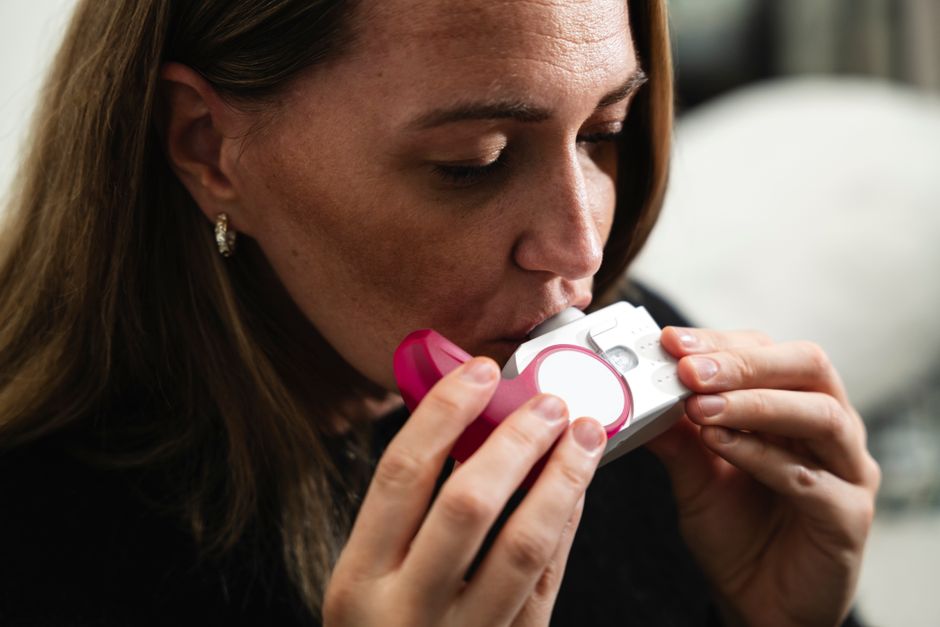
For asthma and some other lung conditions, prescribed inhalers are the treatment that actually opens airways. A rescue inhaler works by relaxing the muscles around the airways. This is a proven effect, and no natural remedy matches it.
Over-the-counter decongestants can shrink swollen nasal tissue. They help with a stuffy nose but do not open the lower airways. They also carry real cautions: they can raise blood pressure and heart rate, and they should not be used for more than a few days in a row without medical guidance, because of rebound congestion.
Antihistamines help when allergies are the cause. They reduce swelling and mucus triggered by histamine, but they do not act fast and are not rescue medications.
If you have been prescribed medication for a lung condition, keep using it as directed. Home measures are add-ons, not replacements. Stopping a controller medication because natural remedies feel like enough is a common and dangerous mistake.
Which Conditions Cause Airway Narrowing?
Several conditions can make breathing feel difficult, and they are not treated the same way.
- Viral infections such as the common cold cause swelling and mucus in the nose and throat. These usually improve on their own within a week or so.
- Allergies trigger swelling and mucus when you breathe in something you react to, like pollen, dust, or pet dander.
- Asthma causes the airways to narrow and tighten in episodes, often triggered by allergens, cold air, exercise, or infections.
- Chronic obstructive pulmonary disease (COPD) damages the airways and air sacs over time, most often from smoking.
- Acid reflux can irritate the throat and trigger a cough or a feeling of tightness, especially at night.
- Anaphylaxis is a severe allergic reaction that can close the airway. This is a medical emergency.
Anxiety can also create a sensation of not getting enough air even when your airways are physically open. That is a real symptom, not imagined, but it responds to different strategies than a blocked airway does.
What Are the Warning Signs You Should Not Ignore?
Some breathing problems need emergency care, and no home remedy is appropriate.
Call 911 if you have:
- Severe difficulty breathing, or you cannot speak in full sentences
- Blue or gray lips, face, or fingernails
- Chest pain or pressure along with breathing trouble
- Swelling of the lips, tongue, or throat
- Confusion, fainting, or extreme drowsiness
- Breathing trouble that came on suddenly and is getting worse fast
Also seek urgent care if your symptoms are not improving after a few days, if you are coughing up blood, or if you have a fever that will not go away. Children and older adults can decline faster, so the threshold for getting help should be lower.
Do not wait to see if a home remedy works when breathing is seriously compromised. Minutes matter in a real airway emergency.
Can You Prevent Airway Problems Before They Start?
You cannot prevent every cold or allergy season, but some steps reduce how often your airways get irritated.
If you smoke, stopping is the single most effective thing you can do for your airways. This is one of the most consistent findings in respiratory medicine.
Keeping indoor air clean helps too. Use a HEPA filter if you are sensitive to dust or pollen. Keep windows closed on high-pollen days. Wash bedding regularly if dust mites bother you.
If you have asthma or allergies, work with a clinician on a plan. Well-controlled asthma means fewer episodes and less day-to-day tightness. That is a treatment question, not a home remedy question.
Staying current on recommended vaccines, including flu and COVID-19 vaccines where advised, reduces the chance that a respiratory infection hits your lungs hard. Ask your clinician which ones apply to you.
Frequently Asked Questions
What is the fastest way to open your airways at home?
Sitting upright, leaning slightly forward, and breathing slowly through your nose are the quickest steps for mild congestion or tightness. Steam and a saline nasal rinse can help clear mucus, but none of these treat a real airway emergency.
Does steam really open your airways?
Steam can loosen thick mucus in your nose and upper airways, which may make breathing feel easier, but the evidence for it as a treatment is not strong. It does not widen airways narrowed by swelling or muscle tightening.
Can breathing exercises open blocked airways?
Breathing exercises like pursed-lip breathing can reduce the feeling of shortness of breath and are used in pulmonary rehabilitation programs. They do not physically widen the airways or replace medication for conditions like asthma.
When should I go to the emergency room for breathing trouble?
Go to the emergency room or call 911 if you cannot speak in full sentences, your lips or face look blue or gray, you have chest pain with breathing trouble, or your throat or tongue is swelling. These are signs of a medical emergency, not something to treat at home.
