
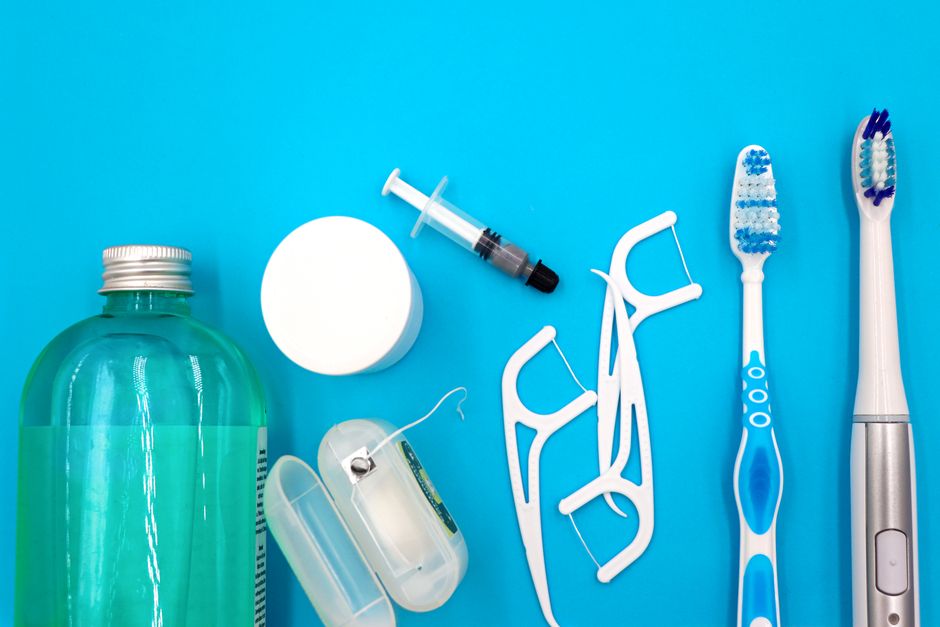
You cannot remove hardened plaque from your teeth at home. Once plaque mineralizes into tartar, it bonds to the tooth surface so firmly that no brush, floss, or home remedy can take it off. Only a dental professional with specialized instruments can do that. What you can do naturally is stop plaque from hardening in the first place — and that is where daily habits make a real difference. This article explains what works, what does not, and why some popular internet remedies can actually damage your teeth.
What Is the Difference Between Plaque and Tartar?
Plaque is a soft, sticky film of bacteria that forms on your teeth constantly. It builds up within hours of brushing, which is why dentists emphasize brushing twice a day. At this stage, it is removable.
Tartar — also called calculus — is what plaque becomes when it sits undisturbed long enough to absorb minerals from your saliva. That process is called mineralization or calcification. Once it happens, the deposit is hard and fused to the tooth. The American Dental Association describes tartar as plaque that has hardened on the teeth, and notes that it can only be removed by a dental professional.
This distinction matters because it determines what is possible. Plaque prevention is a daily job you can do. Tartar removal is a clinical procedure. No natural method changes that.
How To Remove Plaque From Teeth Naturally
Natural plaque removal comes down to consistent mechanical disruption — physically breaking up the bacterial film before it can harden. The most effective tools are not exotic. They are the ones dentists have recommended for decades.
Brushing
Brushing is the foundation. A soft-bristled toothbrush with fluoride toothpaste, used for two minutes twice a day, removes plaque from the accessible surfaces of your teeth. The American Dental Association recommends brushing twice daily. Technique matters as much as frequency — angle the bristles toward the gumline and use short, gentle strokes rather than aggressive scrubbing.
Brushing harder does not clean better. It wears down enamel and irritates gums. Gentle and thorough is the goal.
Flossing
Flossing reaches the spaces between teeth where bristles cannot go. Those tight contacts are where plaque accumulates most and where cavities and gum disease often begin. The American Dental Association recommends cleaning between teeth once a day using floss or another interdental cleaner.
Some people find floss picks, interdental brushes, or water flossers easier to use consistently. The best method is the one you will actually do every day. A water flosser may be easier for people with braces or bridges, though for tight tooth contacts, string floss remains the standard recommendation.
Fluoride Toothpaste
Fluoride is not a marketing add-on. It is the single most evidence-supported ingredient in oral care. It helps remineralize early enamel damage and makes teeth more resistant to acid attacks from bacteria. The Centers for Disease Control and Prevention recognizes water fluoridation and fluoride toothpaste as effective measures for preventing tooth decay.
If you want a “natural” toothpaste, check whether it contains fluoride. Many do not, and some rely on ingredients with little to no clinical evidence for cavity prevention.
What About Baking Soda?
Baking soda is one of the few home ingredients with some legitimate support. It is mildly abrasive, which helps lift plaque, and it can neutralize acids in the mouth. Some research suggests baking soda toothpaste may be at least as effective as regular toothpaste for reducing plaque, though the evidence is not overwhelming.
The caution here is overuse. Abrasive powders used frequently or scrubbed hard can wear enamel over time. If you use baking soda, keep it occasional and gentle. It is not a substitute for fluoride.
Do Home Remedies Like Oil Pulling or Apple Cider Vinegar Work?
This is where the internet diverges sharply from the evidence.
Oil pulling — swishing coconut or sesame oil in your mouth for an extended period — has been studied, but the research is limited and generally low quality. Some small studies suggest it may reduce plaque or bacteria to a modest degree, but the effect is not comparable to brushing and flossing. It is not a replacement for standard oral hygiene, and no major dental organization recommends it as a primary method.
Apple cider vinegar is a different problem. It is acidic. Rinsing your mouth with acid erodes enamel, and enamel does not grow back. Any short-term cosmetic effect on surface stains is not worth the risk to your tooth structure. No clinical evidence supports apple cider vinegar for plaque removal, and the mechanism of action actively works against your teeth.
Other common suggestions — lemon juice, hydrogen peroxide rinses, charcoal toothpaste — carry similar concerns. Lemon juice is acidic. Hydrogen peroxide can irritate gums at higher concentrations. Charcoal is abrasive and has not been shown to be safe or effective for daily use. The American Dental Association has not approved charcoal-based toothpastes for cavity prevention.
The pattern is consistent: the remedies that spread fastest online tend to be either unproven or actively harmful to enamel.





Can You Remove Tartar at Home?
No. This is the clearest line in the entire topic.
Once plaque has mineralized, it is bonded to the tooth. Brushing, flossing, oil pulling, baking soda, and every other home method cannot break that bond. Attempting to scrape tartar off yourself with a dental pick, file, or sharp object risks cutting your gums, damaging enamel, and introducing infection. The instruments dentists use require training to handle safely.
Professional cleaning — sometimes called scaling and polishing — is the only reliable way to remove tartar. For most people, a cleaning every six months is the standard recommendation, though your dentist may suggest a different schedule based on your gum health, tartar buildup rate, and risk factors. Some people need more frequent cleanings; others need fewer. That is an individual clinical judgment.
Why Does Plaque Matter Beyond Your Teeth?
Plaque is not just a cosmetic issue. The bacteria in plaque produce acids that dissolve enamel and cause cavities. When plaque stays along the gumline, it triggers inflammation in the gums — the early stage of gum disease, called gingivitis. Gingivitis is reversible with good hygiene and professional cleaning.
Left untreated, gingivitis can progress to periodontitis, a more serious condition where the tissues and bone supporting the teeth are damaged. Periodontitis is a leading cause of tooth loss in adults. This progression is well established in dental research.
There is also a broader connection. Gum disease has been associated with conditions like cardiovascular disease and diabetes. The exact nature of these relationships is still being studied — whether gum disease contributes to these conditions, shares common risk factors, or both. What is clear is that gum health is not isolated from the rest of the body, and treating it matters.
What Actually Prevents Plaque Buildup?
Prevention is where natural habits genuinely shine. The goal is to keep plaque from ever hardening.
- Brush twice daily with fluoride toothpaste for two minutes.
- Clean between teeth once a day with floss or an interdental cleaner.
- Limit sugary and starchy snacks — bacteria feed on these and produce acid.
- Drink water, especially after eating, to help rinse away food particles.
- See your dentist regularly for professional cleaning and checkups.
- Do not smoke — smoking is a major risk factor for gum disease.
Diet deserves a closer look. Sugar is the primary fuel for the bacteria that cause decay. Frequency matters as much as amount — sipping sugary drinks all day keeps your mouth acidic for longer than eating a dessert in one sitting. Starchy foods like chips and crackers also break down into sugars and can stick to teeth.
Chewing sugar-free gum after meals can help stimulate saliva, which naturally cleanses the mouth and neutralizes acid. This is a small but real benefit, supported by dental organizations.
When Should You See a Dentist?
See a dentist if you notice bleeding gums when brushing or flossing, persistent bad breath, red or swollen gums, receding gums, or teeth that feel loose. These can signal gum disease that needs professional treatment.
You should also see a dentist if you can see or feel hard deposits on your teeth, especially near the gumline or between teeth. That is tartar, and it needs professional removal. Trying to ignore it does not make it go away — it allows the underlying problem to worsen.
Regular checkups catch problems early, when they are easier and less expensive to treat. That is not a sales pitch. It is how preventive dentistry works.
Frequently Asked Questions
Can I remove tartar from my teeth at home?
No. Once plaque hardens into tartar, it bonds to the tooth and can only be removed by a dental professional using specialized instruments. Attempting it yourself risks damaging your gums and enamel.
Does oil pulling actually remove plaque?
The evidence is limited and low quality, and any effect is far smaller than brushing and flossing. It is not recommended as a replacement for standard oral hygiene.
Is baking soda safe for removing plaque?
Baking soda is mildly abrasive and may help lift plaque, and some research supports its use in toothpaste. Use it gently and occasionally, since frequent abrasion can wear down enamel over time.
How often should I get my teeth professionally cleaned?
For most people, a cleaning every six months is standard, but your dentist may recommend a different schedule based on your gum health and tartar buildup. That is an individual clinical decision.
