
Erectile dysfunction is not just a bedroom problem. It is often the first sign that something is wrong with your blood vessels, and that is actually useful news. The same lifestyle changes that improve erectile function also lower your risk of heart attack and stroke. For many men, erection problems improve when they address the underlying causes: poor circulation, high blood pressure, diabetes, obesity, smoking, and chronic stress. Lifestyle changes can meaningfully improve erectile function, especially in mild to moderate cases, though they work best as part of a broader plan that includes a doctor.
What Actually Causes Erectile Dysfunction?
An erection is a blood flow event. When you are aroused, nerves signal the arteries in the penis to widen. Blood rushes in, and the veins that normally drain the penis get compressed. The result is rigidity. Anything that damages those arteries, nerves, or the hormonal signals behind them can cause erectile dysfunction.
The most common physical cause is atherosclerosis — the same plaque buildup in arteries that causes heart disease. The arteries in the penis are narrower than the coronary arteries, which is why erection problems can show up years before a heart problem does. This is why doctors sometimes call erectile dysfunction a warning sign rather than an isolated issue.
Other common contributors include:
- Diabetes, which damages both blood vessels and nerves over time
- High blood pressure, which stiffens arteries and can also be a side effect of some blood pressure medications
- High cholesterol, which contributes to plaque buildup
- Smoking, which narrows blood vessels and reduces nitric oxide, a molecule the body needs to start an erection
- Obesity and metabolic syndrome, which are linked to lower testosterone and poorer vascular function
- Low testosterone, which affects desire and can contribute to erectile problems
- Depression, anxiety, and chronic stress, which interfere with the nerve signals that trigger erection
- Certain medications, including some antidepressants, blood pressure drugs, and prostate treatments
Often it is more than one factor at once. A man with mild vascular disease, poor sleep, and a stressful job may have three things pushing in the same direction. That also means there are several places to intervene.
How To Reverse Ed Naturally: Lifestyle Changes That Work
The lifestyle changes with the strongest evidence behind them are the ones that improve blood vessel health and hormone balance. None of them work overnight. Most men who see improvement notice it over weeks to months, not days.
Move your body regularly
Regular aerobic exercise improves endothelial function — the ability of blood vessels to widen in response to demand. That is the same mechanism erection depends on. Walking, cycling, swimming, and jogging all count. The key is consistency, not intensity. Some research suggests that moderate exercise several times a week can improve erectile function in men with vascular causes, though results vary by individual and by how advanced the underlying disease is.
Resistance training may also help by supporting testosterone levels and improving body composition, though the evidence for a direct effect on erections is weaker than for aerobic exercise.
Lose excess weight if you carry it
Obesity is linked to lower testosterone, higher inflammation, and poorer blood vessel function. Weight loss — even modest amounts — has been associated with improved erectile function in men who are overweight or obese. Some studies suggest the improvement is greatest in men who also have metabolic syndrome or type 2 diabetes. The relationship is not linear or guaranteed, but the direction is consistent.
Stop smoking
Smoking is one of the most damaging things you can do to your blood vessels. It reduces nitric oxide availability, which is central to erection. Quitting is difficult, but the vascular benefits begin relatively quickly and continue to accumulate. Some research indicates that men who quit smoking see improvements in erectile function, though the degree varies and depends on how much damage has already occurred.
Limit alcohol
Heavy drinking suppresses testosterone and damages nerves. Moderate drinking is less clearly harmful, but if you are struggling with erections, cutting back is a reasonable step. The evidence here is not as strong as for smoking, but the mechanism is plausible and the downside of reducing alcohol is low.
Manage blood sugar and blood pressure
If you have diabetes or high blood pressure, getting them under control is one of the most important things you can do. Uncontrolled blood sugar damages nerves and small blood vessels. Uncontrolled blood pressure stiffens arteries. Both directly affect erectile function. This usually requires working with a doctor, not just lifestyle changes alone.
Sleep better
Poor sleep — especially sleep apnea — is linked to lower testosterone and worse erectile function. Sleep apnea is common and often undiagnosed in men with erectile dysfunction. If you snore heavily, wake up gasping, or feel exhausted despite a full night’s sleep, that is worth investigating. Treating sleep apnea has been associated with improvements in testosterone and, in some studies, erectile function.
Address stress and mental health
Anxiety and depression can cause erectile problems on their own, and they can make physical causes worse. Performance anxiety creates a feedback loop: worry about erections makes erections harder, which increases worry. Therapy, stress management, and treatment for depression can help. Some antidepressants themselves cause erectile dysfunction, so if you are on one and notice a change, talk to your doctor rather than stopping on your own.
Which Foods and Nutrients Matter?
No food reverses erectile dysfunction on its own. But diets that support blood vessel health tend to support erectile function too. The Mediterranean-style pattern — rich in vegetables, fruit, whole grains, legumes, fish, and olive oil — has been associated with better erectile function in some observational studies. Whether that is a direct effect or a marker of overall healthier living is not fully clear.
Nutrients that have been studied in relation to erectile function include:
- Nitrates from vegetables (beets, leafy greens), which the body can convert to nitric oxide
- Omega-3 fatty acids from fish, which support vascular health
- Folate and vitamin D, both of which have been linked to erectile function in some studies, though results are mixed
- Antioxidants from fruits and vegetables, which may help reduce oxidative stress on blood vessels
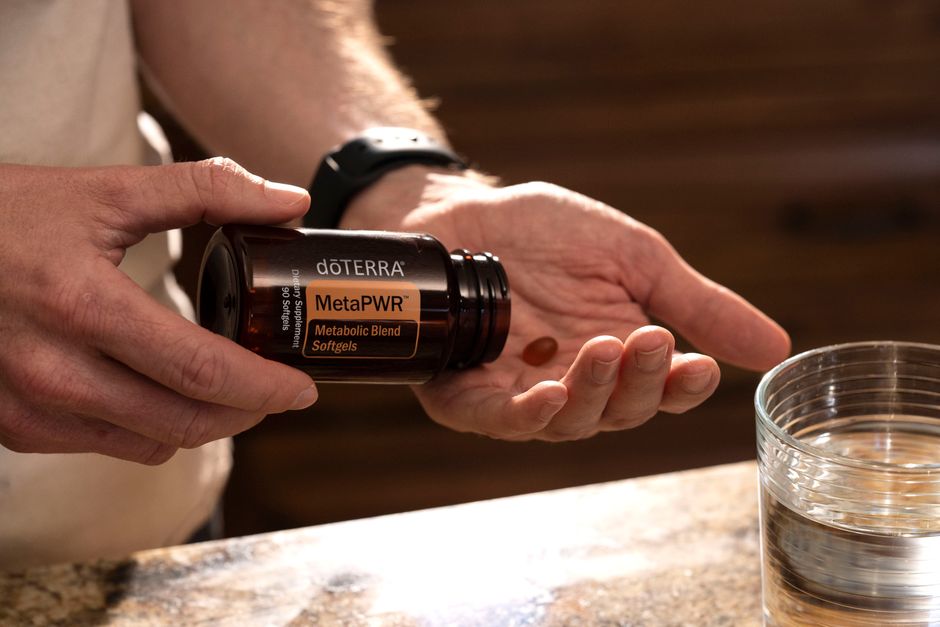
Supplements marketed for erectile dysfunction are a different story. Most have weak or no evidence behind them. Some, like certain herbal blends, can interact with prescription medications. If you are considering a supplement, talk to your doctor first.





What About Testosterone?
Low testosterone can contribute to erectile dysfunction, but it is not the whole picture. Many men with low testosterone have normal erections, and many men with erectile dysfunction have normal testosterone. When testosterone is genuinely low and confirmed by blood tests, replacement therapy may improve erections in some men — but it is not a universal fix and it carries risks, including effects on fertility and prostate health.
Lifestyle factors like weight loss, better sleep, and resistance training can support natural testosterone production. But if you suspect low testosterone, get tested rather than guessing. A doctor can check your levels and help you decide whether treatment makes sense.
When Lifestyle Changes Are Not Enough
Lifestyle changes work best for mild to moderate erectile dysfunction, especially when the cause is vascular or related to metabolic health. If the problem is severe, long-standing, or caused by significant nerve damage, lifestyle changes alone may not be enough.
That does not mean you should skip them. They improve your overall health regardless, and they often make other treatments work better. But if you have tried lifestyle changes for several months and see no improvement, or if the problem is affecting your quality of life, it is worth seeing a doctor. Effective treatments exist, including medications, vacuum devices, and other options. Erectile dysfunction is also sometimes the first sign of a serious health problem, so getting evaluated is not just about sex — it is about your heart and blood vessels too.
How Long Does It Take to See Results?
There is no fixed timeline. Some men notice improvement within a few weeks of quitting smoking or starting exercise. Others see changes over several months. Weight loss and blood sugar control tend to take longer. If you have significant vascular damage, improvement may be limited no matter what you do.
The honest answer is that lifestyle changes are worth trying, but they are not a guaranteed fix. They are most effective when started early, when the underlying cause is modifiable, and when they are combined with proper medical care.
Frequently Asked Questions
Can erectile dysfunction be reversed naturally?
Mild to moderate erectile dysfunction caused by lifestyle factors can improve with changes like exercise, weight loss, quitting smoking, and better sleep. Severe or long-standing cases may need medical treatment alongside lifestyle changes.
How long does it take for lifestyle changes to improve erectile dysfunction?
Some men notice improvement within a few weeks, especially after quitting smoking or starting regular exercise. Others see changes over several months, and results depend on the underlying cause and how much damage has occurred.
Does exercise really help with erectile dysfunction?
Regular aerobic exercise improves blood vessel function, which is directly related to erection. Some research suggests it can improve erectile function, particularly in men with vascular causes, though results vary by individual.
Can low testosterone cause erectile dysfunction?
Low testosterone can contribute to erectile problems, but it is not the only cause and many men with low testosterone still have normal erections. If you suspect low testosterone, get tested by a doctor rather than guessing.
