
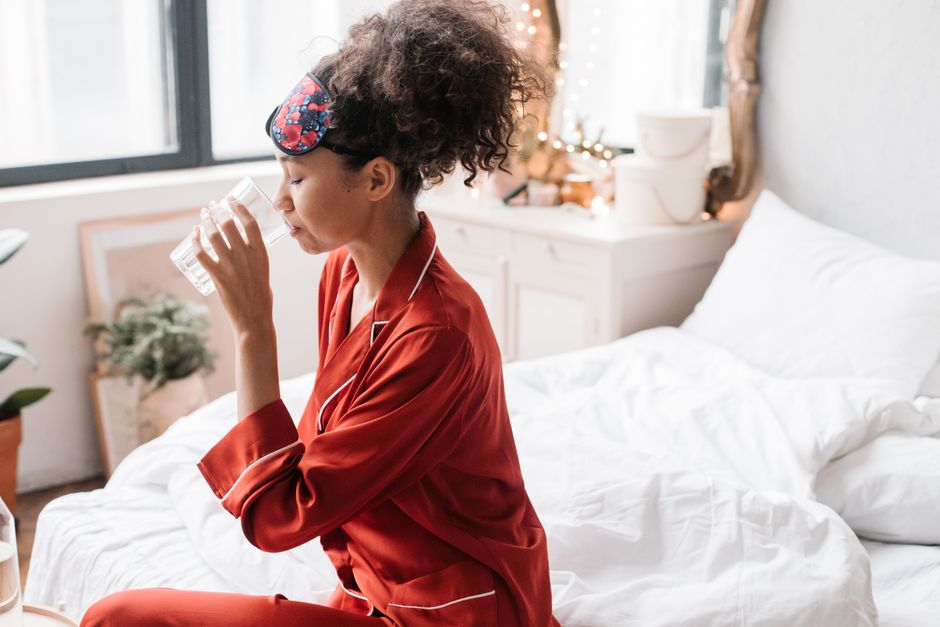
Waking up without a hangover starts the night before, not the morning after. The most reliable way to avoid one is to drink less alcohol or drink none at all. If you choose to drink, your best defenses are pacing yourself, alternating with water, and eating a proper meal beforehand. No pill, chaser, or morning-after remedy erases the effects of alcohol once it is in your system, so the strategy that actually works is prevention.
What Causes a Hangover in the First Place?
A hangover is your body reacting to alcohol and its breakdown products. When you drink, your liver converts alcohol into acetaldehyde, a toxic compound that causes nausea, headache, and flushing. Your body then breaks acetaldehyde down into acetate, which is harmless.
Alcohol also dehydrates you. It suppresses a hormone called vasopressin, which normally tells your kidneys to hold onto water. Without it, you urinate more and lose fluids faster than you replace them. That dehydration contributes to the throbbing headache and dry mouth you feel the next morning.
Blood sugar drops too. Alcohol interferes with glucose production, which can leave you feeling weak, shaky, and tired. Add in disrupted sleep, stomach irritation, and inflammation, and you have the full hangover picture. Understanding these mechanisms matters because it tells you which prevention strategies actually target the problem.
Does Drinking Water Before Bed Prevent a Hangover?
Drinking water before bed helps, but it is not a cure. Alcohol dehydrates you over several hours, and a single glass of water right before sleep cannot fully reverse that loss. It can reduce the severity of your headache and dry mouth, though, so it is worth doing.
The better approach is to drink water throughout the evening. Alternating one glass of water with each alcoholic drink slows your total alcohol intake and keeps your fluid levels closer to normal. This strategy works on two fronts: you drink less alcohol overall, and you stay better hydrated. Both reduce hangover severity.
One caveat: drinking large amounts of water right before bed will likely wake you up in the middle of the night. That interrupted sleep adds to the fatigue you feel in the morning. Aim for steady hydration during the evening rather than a flood at the end.
Does Eating Before Drinking Actually Help?
Yes, and the type of food matters. Food in your stomach slows the absorption of alcohol into your bloodstream. Alcohol enters your system more gradually, so your blood alcohol concentration peaks lower and later. That translates to a less intense hangover the next day.
Foods high in protein, fat, and complex carbohydrates work best. Protein and fat slow stomach emptying, which delays alcohol absorption. Complex carbs give your body glucose to draw on overnight, countering the blood sugar drop alcohol causes. A meal with eggs, whole grains, and some healthy fat is a solid pre-drinking choice.
Eating after you have already started drinking helps less. Once alcohol is in your system, food cannot undo what has already been absorbed. It may slow absorption of subsequent drinks, but it will not reverse the effects of the ones you have already had.





How To Not Wake Up With A Hangover What Works
The single most effective strategy is to limit how much you drink. Hangover severity tracks closely with blood alcohol concentration. The more alcohol in your system, the worse the morning after. There is no threshold below which hangovers never happen, but lighter drinking consistently produces milder symptoms.
Pacing matters as much as quantity. Your liver processes roughly one standard drink per hour. A standard drink is 12 ounces of beer, 5 ounces of wine, or 1.5 ounces of distilled spirits. If you drink faster than your liver can process, alcohol accumulates, and your hangover will be worse.
Choose your drinks carefully. Darker spirits like whiskey, brandy, and dark rum contain higher levels of compounds called congeners. These are byproducts of fermentation that contribute to flavor but also worsen hangovers. Clear spirits like vodka and gin have fewer congeners. Some research suggests clear spirits produce less severe hangovers than dark ones, though the effect is modest compared to total alcohol consumed.
Carbonated drinks like champagne and sparkling wine enter your bloodstream faster than still drinks. That rapid absorption leads to a quicker, higher peak in blood alcohol. If you want to minimize hangover risk, still drinks are a better choice than bubbly ones.
Are Hangover Pills and Patches Worth Trying?
Most hangover products on the market have little to no evidence behind them. Pills, patches, and powders that claim to prevent hangovers are not supported by large, well-designed human trials. Some contain ingredients like vitamins, electrolytes, or herbal extracts, but none have been shown to reliably prevent or cure a hangover.
The evidence for specific supplements is limited. Some studies have looked at ingredients like prickly pear extract, ginger, and certain B vitamins, but results are mixed and sample sizes are small. No supplement has consistently demonstrated that it prevents hangovers across multiple studies.
Electrolyte drinks can help with rehydration, but they do not address the other causes of a hangover. They will not speed up alcohol metabolism or reduce acetaldehyde levels. They may make you feel slightly better than plain water because they replace sodium and potassium lost through urination, but they are not a prevention tool.
Be skeptical of any product that promises to let you drink without consequences. If a product truly prevented hangovers, it would need to alter how your body processes alcohol, and no over-the-counter product does that safely or effectively.
What About the Morning After?
If you wake up with a hangover despite your best efforts, some strategies can reduce symptoms. Rehydration is the most important. Water, electrolyte drinks, or broth can help replace what you lost overnight. Sip slowly rather than chugging, since your stomach is likely irritated.
Eating a light breakfast helps restore blood sugar. Toast, crackers, or a banana are gentle options that provide carbohydrates without overwhelming your stomach. Eggs are also a good choice because they contain cysteine, an amino acid that may help break down acetaldehyde, though the evidence for this is limited.
Pain relievers can help with headache, but choose carefully. Acetaminophen (Tylenol) is processed by the liver, which is already working hard to clear alcohol. Taking it after heavy drinking can strain the liver further. Ibuprofen and other nonsteroidal anti-inflammatory drugs (NSAIDs) are easier on the liver but can irritate the stomach, especially if you drank heavily. If you take any pain reliever, take the lowest effective dose with food and water.
Avoid the “hair of the dog” approach. Drinking more alcohol in the morning delays the hangover rather than curing it. Your body still needs to process the alcohol from the night before, and adding more only extends the process.
What Does Not Work Despite Popular Belief
Several common hangover remedies have no scientific support. Coffee does not sober you up or cure a hangover. Caffeine is a stimulant that may make you feel more alert temporarily, but it does not speed up alcohol metabolism. It can also worsen dehydration, since caffeine is a mild diuretic.
Greasy food the morning after does not absorb alcohol or cure a hangover. The idea that fried food soaks up leftover alcohol is a myth. By morning, the alcohol is already in your bloodstream and being processed by your liver. A greasy meal may settle your stomach or feel satisfying, but it does not address the underlying cause.
Cold showers, exercise, and energy drinks do not cure hangovers either. They may provide a temporary sense of alertness, but they do not reduce acetaldehyde levels, restore hydration, or fix blood sugar. In fact, intense exercise while dehydrated can be dangerous.
Time is the only true cure. Your body needs hours to process the alcohol and its byproducts. Nothing you consume speeds that process up significantly.
What Is the Safest Approach?
The only guaranteed way to avoid a hangover is to not drink alcohol. If you do drink, moderation is the most reliable prevention. The Dietary Guidelines for Americans define moderate drinking as up to one drink per day for women and up to two per day for men. Staying within these limits significantly reduces your risk of a hangover.
Know your limits and stick to them. Plan ahead by deciding how many drinks you will have before you start. Counting drinks is more reliable than judging by how you feel, since alcohol impairs judgment early in the evening.
Set a pace and keep it. One drink per hour is a reasonable ceiling for most people, but your individual tolerance depends on your weight, sex, age, and how much food you have eaten. If you are unsure how your body responds, err on the side of drinking less.
Frequently Asked Questions
Does drinking water between alcoholic drinks prevent a hangover?
Yes, it helps significantly by keeping you hydrated and slowing your total alcohol intake. It does not eliminate hangover risk entirely, but it reduces severity.
What should I eat before drinking to avoid a hangover?
A meal with protein, fat, and complex carbohydrates is your best option. Foods like eggs, whole grains, and avocado slow alcohol absorption and stabilize blood sugar.
Do dark liquors cause worse hangovers than clear ones?
Yes, dark spirits like whiskey and brandy contain more congeners, which are linked to more severe hangovers. Clear spirits like vodka and gin have fewer, but total alcohol intake still matters most.
Can taking pain relievers before drinking prevent a hangover?
No, taking pain relievers in advance does not prevent a hangover and can be risky. Acetaminophen strains the liver when combined with alcohol, and NSAIDs can irritate the stomach.
