
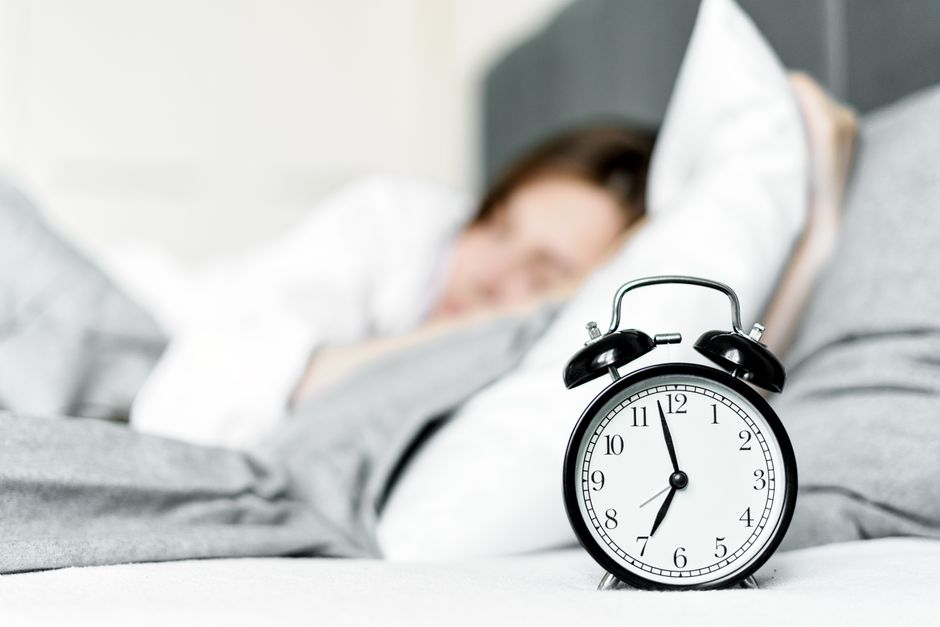
Falling asleep in five minutes is not about willpower. It is about giving your brain the right signals to switch off. The methods that actually work are based on how your nervous system and sleep drive function, not on tricks or gimmicks. You can shorten the time it takes to fall asleep by using techniques that lower your heart rate, calm your mind, and align with your body’s natural sleep pressure.
Why Can’t You Fall Asleep Quickly?
Your body has two main systems that control sleep. The first is your circadian rhythm, which is your internal 24-hour clock. The second is sleep pressure, which builds up the longer you stay awake. When both are working well, you fall asleep within 10 to 20 minutes of lying down.
When you cannot fall asleep fast, something is disrupting one of these systems. Racing thoughts are the most common culprit. Anxiety and stress activate your sympathetic nervous system, which is your fight-or-flight response. This raises your heart rate and keeps your brain alert. Your body is physically ready for sleep, but your mind will not let it happen.
Another common issue is doing stimulating activities right before bed. Checking your phone, watching an intense show, or having a heated conversation keeps your brain in an active state. You are asking your brain to go from high alert to deep sleep instantly, and it cannot do that.
How To Sleep Fast In 5 Minutes What Actually Works
The most effective way to fall asleep quickly is to combine a breathing technique with mental focus. The 4-7-8 breathing method is one of the most studied and widely recommended approaches. You inhale through your nose for a count of four, hold your breath for a count of seven, and exhale slowly through your mouth for a count of eight. Repeat this cycle four times.
This works because slow, extended exhales activate your parasympathetic nervous system. That is the rest-and-digest system that lowers your heart rate and blood pressure. The specific counts matter less than making your exhale longer than your inhale. That ratio is what signals your body to calm down.
Another technique that works is progressive muscle relaxation. You tense each muscle group in your body for about five seconds, then release. Start with your toes and work up to your face. This method works for two reasons. It physically releases tension you may not realize you are holding, and it forces your attention onto your body instead of your thoughts.
Mental distraction also helps. Try counting backward from 100 by threes. This is boring enough to disengage your thinking brain but requires just enough focus to block out stressful thoughts. Some people find that visualizing a calm scene, like a quiet beach or a forest path, works better. The key is to pick one mental task and stick with it.
Does The 5 Minute Fall Asleep Method Really Exist?
There is no single technique that guarantees sleep in five minutes for everyone. What works is consistent practice of a calming routine that your brain learns to associate with sleep. The 4-7-8 method and progressive muscle relaxation are both supported by clinical evidence for reducing the time it takes to fall asleep, but individual results vary.
Some research suggests that cognitive behavioral therapy for insomnia, or CBT-I, is the most effective long-term treatment for sleep problems. It includes techniques like stimulus control, which means only using your bed for sleep, and sleep restriction, which means limiting time in bed to match your actual sleep time. These methods do not work in five minutes, but they retrain your brain over weeks.
If you are healthy and simply want to fall asleep faster, the relaxation techniques described above are your best bet. If you have chronic insomnia, meaning trouble sleeping at least three nights per week for three months or more, you should talk to a healthcare provider. A five-minute trick is not a treatment for a sleep disorder.





What Makes It Harder To Fall Asleep Fast?
Certain habits directly interfere with your ability to fall asleep quickly. Caffeine is a major one. It blocks adenosine, the chemical that builds sleep pressure in your brain. Caffeine has a half-life of about five to six hours, meaning half of what you drink is still in your system hours later. Having coffee in the late afternoon can delay sleep onset significantly.
Alcohol is another disruptor. It may make you feel drowsy, but it fragments your sleep and reduces sleep quality. Your body processes alcohol during the night, which can cause awakenings and lighter sleep in the second half of the night.
Light exposure matters too. Bright light, especially blue light from screens, suppresses melatonin production. Melatonin is the hormone that signals your brain it is time to sleep. Dimming lights an hour before bed and putting your phone away helps your natural melatonin rise.
Your sleep environment also plays a role. A room that is too warm can prevent you from falling asleep. Your core body temperature needs to drop slightly to initiate sleep. Most sleep specialists recommend a bedroom temperature around 65 degrees Fahrenheit, though individual comfort varies.
What About Sleep Supplements And Medications?
Melatonin supplements are widely used, but the evidence for their effectiveness is mixed. Melatonin can help with jet lag and shift work, where your circadian rhythm is out of sync with your environment. For general difficulty falling asleep, the evidence is less clear. Some people find low doses helpful, but it is not a sedative. It does not force sleep.
Magnesium is another supplement some people use for sleep. Some research suggests magnesium can improve sleep quality, particularly in older adults with low magnesium levels. However, no large clinical trials have confirmed that magnesium supplements help healthy people fall asleep faster. If you are considering it, talk to your doctor first.
Prescription sleep medications exist, but they are not a first-line treatment for most people. They carry risks of dependence, daytime drowsiness, and cognitive impairment. They are generally recommended for short-term use only. Over-the-counter sleep aids containing antihistamines like diphenhydramine can help occasionally, but they are not meant for regular use. They can cause tolerance and next-day grogginess.
Building A Routine That Helps You Fall Asleep In Minutes
The most reliable way to fall asleep quickly is to create a consistent wind-down routine. Your brain thrives on patterns. If you do the same calming activities every night, your brain starts associating those activities with sleep. Over time, the routine itself triggers drowsiness.
A good wind-down routine takes about 30 to 60 minutes. It might include dimming the lights, taking a warm shower, reading a physical book, and doing a breathing exercise. The warm shower helps because your body temperature rises, then drops when you get out, which mimics the natural temperature drop that occurs before sleep.
Keep your wake-up time consistent, even on weekends. This anchors your circadian rhythm. When your body knows when to wake up, it gets better at knowing when to fall asleep. Irregular sleep schedules are one of the main reasons people cannot fall asleep quickly.
If you are lying in bed and cannot fall asleep after about 20 minutes, get up. Go to another room and do something quiet in dim light until you feel sleepy. This prevents your brain from associating your bed with frustration and wakefulness. The bed should be for sleep, not for tossing and turning.
When Should You See A Doctor About Sleep Problems?
Occasional difficulty falling asleep is normal. Everyone has nights where sleep does not come easily. But if you regularly struggle to fall asleep, or if you wake up feeling unrefreshed despite sleeping, it is worth discussing with a healthcare provider.
Chronic insomnia affects about 10 percent of adults. It can be a symptom of underlying conditions like anxiety, depression, sleep apnea, or thyroid problems. A doctor can help identify the cause and recommend appropriate treatment. CBT-I is the most effective treatment for chronic insomnia and is available through many sleep clinics and online programs.
Do not ignore persistent sleep problems. Poor sleep is linked to higher risks of cardiovascular disease, diabetes, and cognitive decline. Getting to the root cause matters more than any quick fix.
Frequently Asked Questions
Can you really fall asleep in five minutes?
Some people can, especially with practice, but it is not guaranteed for everyone. The techniques work by lowering heart rate and blocking stressful thoughts, which shortens the time it takes to fall asleep.
What is the 4-7-8 breathing method?
It is a breathing pattern where you inhale for four counts, hold for seven, and exhale for eight. The long exhale activates your parasympathetic nervous system, which calms your body.
Does melatonin help you fall asleep faster?
Melatonin can help with jet lag and circadian rhythm issues, but it is not a sedative. The evidence for helping healthy people fall asleep faster is mixed.
Why do I get sleepy but cannot fall asleep?
This usually means your body is ready for sleep but your brain is still active. Stress, racing thoughts, or stimulating activities before bed keep your mind alert even when your body is tired.
