
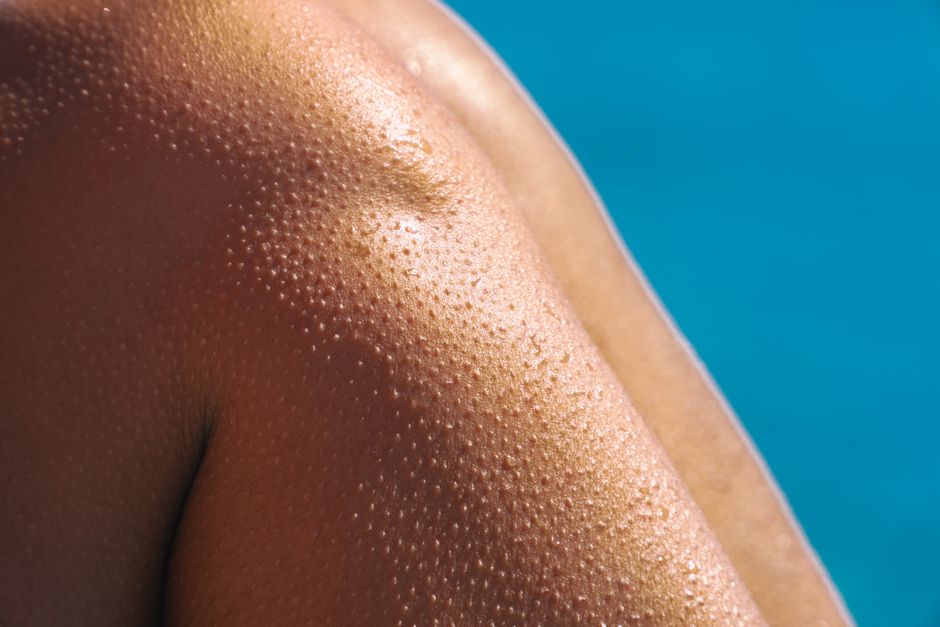
Waking up with damp pajamas and a soaked pillow is uncomfortable, but it is usually not dangerous. Night sweats happen when your body sheds heat during sleep, and the causes range from a bedroom that is too warm to hormonal changes to, less often, an underlying medical condition. Most people can reduce sweating at night by cooling their sleep environment, adjusting bedding and clothing, and looking at timing of meals, alcohol, and exercise. Sweating that soaks through clothes and sheets repeatedly, or that comes with fever, weight loss, or other symptoms, deserves a doctor’s evaluation.
What Actually Causes Sweating During Sleep?
Your body temperature follows a daily rhythm. In the hours before sleep and during the night, core temperature drops slightly, and your body releases heat partly through sweating. This is normal physiology, not a malfunction.
When sweating becomes heavy enough to soak sleepwear or bedding, something is pushing that heat-loss system harder than usual. The main categories are environmental, hormonal, lifestyle-related, and medical.
- Environmental: a warm room, heavy bedding, a mattress that traps heat, or sleeping in clothing that does not breathe.
- Hormonal: menopause and perimenopause are among the most common causes in women. Hot flashes and night sweats are hallmark symptoms during the transition.
- Lifestyle: alcohol, spicy food, and vigorous exercise close to bedtime can all raise body temperature or trigger sweating.
- Medical: infections, fever, some cancers (particularly lymphoma), thyroid disorders, low blood sugar, sleep apnea, and anxiety can all produce night sweats.
- Medications: several drug classes list sweating as a side effect, including some antidepressants, hormone treatments, and diabetes medications. This is a known effect for certain drugs, though not every person taking them will sweat at night.
One clarification worth making: “night sweats” in a medical sense usually means sweating heavy enough to drench clothing or sheets. Feeling slightly clammy on a warm night is common and generally not what clinicians mean by the term. The distinction matters because it changes how much investigation is reasonable.
How To Not Sweat When Sleeping: Causes And Tips That Actually Help
Cooling your sleep environment is the most reliable step, and it works regardless of the underlying cause. The goal is to help your body lose heat the way it is designed to.
Lower the room temperature. Most sleep guidance points to a bedroom in the mid-60s to around 68°F (roughly 16–20°C) as comfortable for sleep. Individual comfort varies, but a cooler room reduces the workload on your sweat glands.
Choose breathable bedding and sleepwear. Cotton, linen, and moisture-wicking fabrics move heat and moisture away from the skin better than synthetic materials that trap them. Layer bedding so you can remove a layer without waking fully.
Try a cooling pillow or pillowcase. Your head and neck lose a lot of heat. A breathable or phase-change pillowcase can help some people, though the evidence for phase-change materials specifically is limited and results vary.
Time your exercise. A vigorous workout raises core temperature for a while afterward. Finishing intense exercise at least a couple of hours before bed gives your body time to cool down.
Watch alcohol and late meals. Alcohol widens blood vessels near the skin and can trigger sweating, and a large or spicy meal close to bedtime can do the same. Moving both earlier in the evening helps many people.
Keep the bedroom ventilated. A fan, cracked window, or light air movement helps sweat evaporate, which is what actually cools you.
None of these tips treat an underlying medical cause. They reduce the symptom. If sweating continues despite a cool room and light bedding, the next step is figuring out why.
When Is Night Sweating a Sign of Something Medical?
Night sweats that happen repeatedly and soak through clothing or sheets are worth a medical conversation. The pattern matters as much as the sweating itself.
See a doctor if night sweats come with any of the following:
- Unexplained fever
- Unintentional weight loss
- Persistent fatigue
- Swollen lymph nodes
- Cough that will not go away
- Sweating that started after beginning a new medication
These combinations can point to infection, thyroid problems, certain cancers, or other conditions that need proper evaluation. Most people with night sweats do not have a serious illness, but the symptom is common enough in serious conditions that it should not be dismissed when it is persistent.
Menopause is the most common cause in women in their 40s and 50s. In men, low testosterone, sleep apnea, and infections are among the more frequent explanations. Anxiety and stress can also trigger sweating through activation of the nervous system.
Do not self-diagnose from a symptom list. A clinician can take a history, examine you, and order tests if needed. That is the honest path when night sweats persist.




Does Menopause Cause Night Sweats?
Yes. Night sweats are one of the most reported symptoms of the menopausal transition, alongside hot flashes. They happen because falling estrogen levels affect the hypothalamus, the brain region that regulates body temperature.
The result is that the body’s thermostat becomes less stable and can trigger a heat-loss response, including sweating, even when the environment is not hot. These episodes often wake women from sleep and can disrupt rest.
Frequency and intensity vary widely. Some women have occasional episodes; others have them most nights for years. The evidence for treatments is mixed in strength depending on the approach. Hormone therapy is effective for many women but carries risks that need to be discussed with a doctor. Some non-hormonal options have supporting evidence, while others are marketed with little clinical backing. No single approach works for everyone, and the right choice depends on individual health history.
Can Medications and Medical Conditions Trigger Night Sweats?
Certain medications list sweating as a known side effect. If night sweats began around the time you started a new drug, that timing is worth raising with your prescriber. Do not stop a medication on your own.
Medical conditions linked to night sweats include:
- Infections: tuberculosis and some other infections classically cause night sweats, often with fever.
- Lymphoma: night sweats are one of the recognized “B symptoms” of lymphoma, along with fever and weight loss.
- Hyperthyroidism: an overactive thyroid raises metabolic rate and can cause sweating and heat intolerance.
- Low blood sugar: hypoglycemia can cause sweating, particularly in people with diabetes.
- Sleep apnea: disrupted breathing during sleep is associated with sweating and poor sleep quality.
- Anxiety and panic: nervous system activation can produce sweating episodes at night.
This list is not a reason to worry. It is a reason to take persistent night sweats seriously enough to get them checked rather than assuming they are just a warm room.
What About Sweating From Anxiety or Stress at Night?
Stress activates the sympathetic nervous system, which controls sweat glands. For some people, this shows up as sweating during sleep, especially during periods of high stress or after stressful dreams.
Improving sleep hygiene can help. A consistent sleep schedule, a wind-down routine, and limiting screens and caffeine late in the day support better sleep and can reduce stress-related night sweating. Relaxation practices such as slow breathing may help some people, though the evidence for these specifically reducing night sweats is limited.
If anxiety is significant and affecting daily life, that is a separate issue worth professional support. Treating the anxiety may reduce the sweating as a side effect, but that is not guaranteed.
Should You Worry About Night Sweats?
Most night sweats are not dangerous. The common causes — a warm room, menopause, alcohol, stress — are manageable and not life-threatening.
The reason to see a doctor is not fear. It is that persistent, drenching night sweats are a symptom worth explaining. A simple evaluation can rule out the conditions that matter and point you toward the right fix. If you have tried cooling your bedroom, lightening your bedding, and adjusting evening habits and you are still soaking the sheets, that is the signal to get it checked.
Frequently Asked Questions
Why do I sweat so much when sleeping even when it is cold?
Your body may be releasing heat through sweating because of hormonal changes, medication side effects, or an underlying condition, even in a cool room. If this happens repeatedly and soaks your bedding, it is worth a medical evaluation.
What is the fastest way to stop sweating at night?
Cooling the bedroom and switching to breathable bedding and sleepwear are the quickest steps that help most people. They reduce the load on your body’s heat-loss system but do not treat an underlying cause.
Can alcohol cause night sweats?
Yes. Alcohol widens blood vessels near the skin and can trigger sweating during sleep. Limiting alcohol, especially close to bedtime, reduces this effect for many people.
When should night sweats be checked by a doctor?
Get evaluated if night sweats are persistent, soak through clothing or sheets, or come with fever, weight loss, swollen lymph nodes, or a new medication. These patterns warrant a proper medical workup.
