
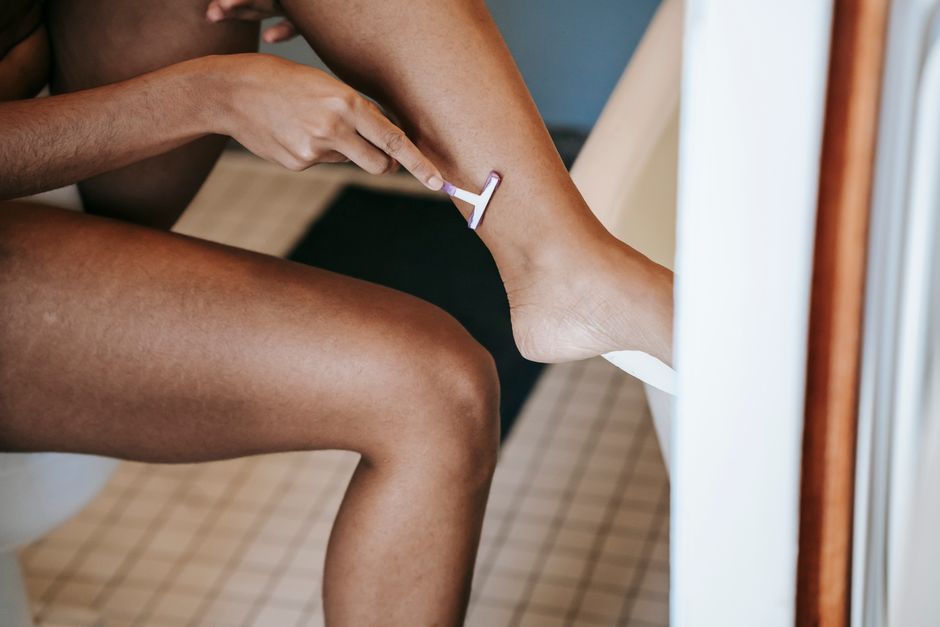
Shaving itch is frustrating, but it is almost always preventable. The key is understanding that razor burn and post-shave itching are not random bad luck — they are the result of specific skin reactions to the shaving process. You can stop the itch by fixing three things: how you prepare your skin, the technique you use with the razor, and how you care for your skin afterward. The good news is that these are all habits you can change starting with your next shave.
Why Does Skin Itch After Shaving?
Itching after shaving usually comes from one of two problems: irritation or ingrown hairs. Irritation happens when the razor drags across dry skin, removes too much of the top skin layer, or when you shave against the grain too aggressively. This creates microscopic damage that triggers inflammation, and inflammation feels like burning and itching.
Ingrown hairs are a different story. When a sharp razor cuts a hair very close to the skin, the hair can curl back and grow into the skin instead of out of the follicle. The body treats this trapped hair like a foreign object and mounts an inflammatory response. That response is the itch you feel days later.
Both problems share a common cause: poor preparation and rushed technique. Fix those, and you fix most of the itching.
How To Not Itch After Shaving Prep Technique Care: What Prep Actually Does
Preparation is the single most important step in preventing shave itch. Hair absorbs water and softens when wet. Soft hair cuts more easily and requires less pressure. Less pressure means less friction, and less friction means less skin damage.
Shave at the end of a warm shower, not the beginning. Five to ten minutes of warm water softens the hair and opens the pores naturally. Do not use hot water — hot water strips the skin’s natural oils and makes irritation more likely.
Exfoliate gently before shaving. A soft washcloth or a gentle scrub removes dead skin cells that can clog the razor and trap hairs. Do not scrub hard. The goal is to smooth the surface, not to scrub the skin raw. If you have sensitive skin, skip physical exfoliation and use a mild cleanser instead.
Apply a proper shaving cream or gel. Soap alone does not provide enough lubrication. A dedicated shaving product creates a protective barrier between the blade and your skin. Look for products labeled for sensitive skin. Fragrance-free is better — fragrance is a common source of irritation.
What Is the Best Shaving Technique for Sensitive Skin?
Technique matters more than the razor itself. Even an expensive razor will cause itching if used incorrectly.
Shave with the grain first. The grain is the direction your hair naturally grows. On your legs, that is usually downward. On your face, it varies by area. Shaving with the grain cuts the hair at a less aggressive angle and reduces the chance of cutting the hair so short that it becomes ingrown.
Do not press down. Let the weight of the razor do the work. Pressing harder does not give a closer shave — it just removes more skin cells and increases irritation. Use short, light strokes and rinse the blade after every stroke. A clogged razor pulls at the skin and causes micro-tears.
Do not shave the same area twice if you can avoid it. Every pass of the razor removes a thin layer of skin along with the hair. Multiple passes multiply the damage. If you need a closer shave, reapply shaving cream before going over an area again — never shave dry or with only water.
Replace your blade regularly. A dull blade does not cut cleanly. It pulls, tugs, and leaves rough edges on the hair that are more likely to become ingrown. As a general rule, replace disposable razors every five to seven shaves, or sooner if the blade feels rough.





How Should You Care for Skin After Shaving?
Post-shave care is where most people skip steps. The minutes after shaving determine whether your skin stays calm or flares up.
Rinse with cool water. Cool water closes the pores and soothes the skin. Warm or hot water after shaving can increase inflammation.
Pat your skin dry. Do not rub. Rubbing a freshly shaved area is like rubbing a fresh scrape — it aggravates the top layer of skin that the razor just thinned.
Apply a moisturizer within a few minutes of drying. Shaving removes natural oils along with hair, leaving skin temporarily unprotected. A basic, fragrance-free moisturizer restores that barrier. Look for ingredients like ceramides, glycerin, or hyaluronic acid. These are well-studied moisturizing ingredients that help repair the skin barrier.
If you are prone to ingrown hairs, consider a product with salicylic acid or glycolic acid. These are chemical exfoliants that help keep dead skin from trapping hairs as they grow back. Start with a low concentration and use it only on days you do not shave. Using an acid product immediately after shaving can sting and make irritation worse.
What Should You Do If Your Skin Itches Right Now?
If the itching has already started, you can calm it. The approach depends on whether the itch is from general irritation or ingrown hairs.
For general razor burn, a cool compress provides fast relief. Hold a clean cloth soaked in cool water against the area for five to ten minutes. This reduces blood flow to the area and dampens the inflammatory response. Follow with a fragrance-free moisturizer.
An over-the-counter hydrocortisone cream (1%) can reduce itching and redness. Use it sparingly and only for a day or two. Prolonged use of hydrocortisone thins the skin and can cause other problems. If the itch does not improve after a few days, stop using it and see a doctor.
For ingrown hairs, do not pick or dig at them. Picking introduces bacteria and increases the risk of infection and scarring. Instead, apply a warm compress for several minutes to soften the skin. This often allows the trapped hair to surface on its own. If the ingrown hair does not resolve, a dermatologist can remove it safely.
Are Some Body Areas More Prone to Shaving Itch?
Yes. Areas where hair is coarse or where skin folds — like the bikini line, underarms, and neck — are more prone to itching and ingrown hairs. Coarse hair has a sharper cut edge that is more likely to pierce the skin as it grows back.
For these areas, the same rules apply but with extra care. Use a fresh blade. Shave slowly. Do not stretch the skin tight — this makes the razor cut the hair shorter and increases the ingrown risk. Some people find that trimming these areas with a beard trimmer instead of a razor eliminates the problem entirely. That is a reasonable option if you are consistently getting irritation.
Does the Type of Razor Matter?
Razor type matters less than blade sharpness and technique. Both multi-blade cartridge razors and safety razors can produce excellent results. Multi-blade razors lift the hair before cutting, which gives a close shave but can also cut hairs below the skin surface — a setup for ingrown hairs. Safety razors have a single blade and require more skill but produce less irritation for many people.
Electric razors are the gentlest option. They do not cut as close as blade razors, but they also do not remove the top layer of skin. If you have chronic shave itch, switching to an electric razor may solve the problem. The trade-off is a less close shave, which many people find acceptable.
How To Not Itch After Shaving Prep Technique Care: A Quick Summary
The formula is simple. Prepare your skin with warm water and a proper shaving cream. Shave with the grain using light pressure and a sharp blade. Care for your skin afterward with cool water and a fragrance-free moisturizer.
Most shave itch is self-inflicted. It comes from shaving dry skin, pressing too hard, or skipping moisturizer. Correct those three mistakes and the itch usually disappears.
If you have tried all of this and still experience severe itching, burning, or visible bumps that do not go away, see a dermatologist. Persistent symptoms may indicate a skin condition like folliculitis or contact dermatitis that requires a different treatment approach than standard shave care.
Frequently Asked Questions
How long does shaving itch last?
Mild shaving itch usually resolves within 24 to 48 hours. If itching lasts longer than a few days or gets worse, it may be an ingrown hair or infection that needs medical attention.
Does shaving with the grain really prevent itching?
Yes, shaving with the grain reduces irritation and ingrown hairs because the blade cuts the hair at a less aggressive angle. Shaving against the grain gives a closer shave but dramatically increases the risk of razor burn and trapped hairs.
Can I use body lotion instead of shaving cream?
Body lotion is better than nothing, but it does not provide the same lubrication and protection as a dedicated shaving cream. Shaving creams are formulated to create a thick barrier that lets the blade glide without scraping the skin.
Is it bad to shave every day?
Daily shaving is fine if your skin tolerates it and you follow proper preparation and moisturizing. If you notice persistent redness or itching, consider shaving every other day to give your skin time to recover.
