
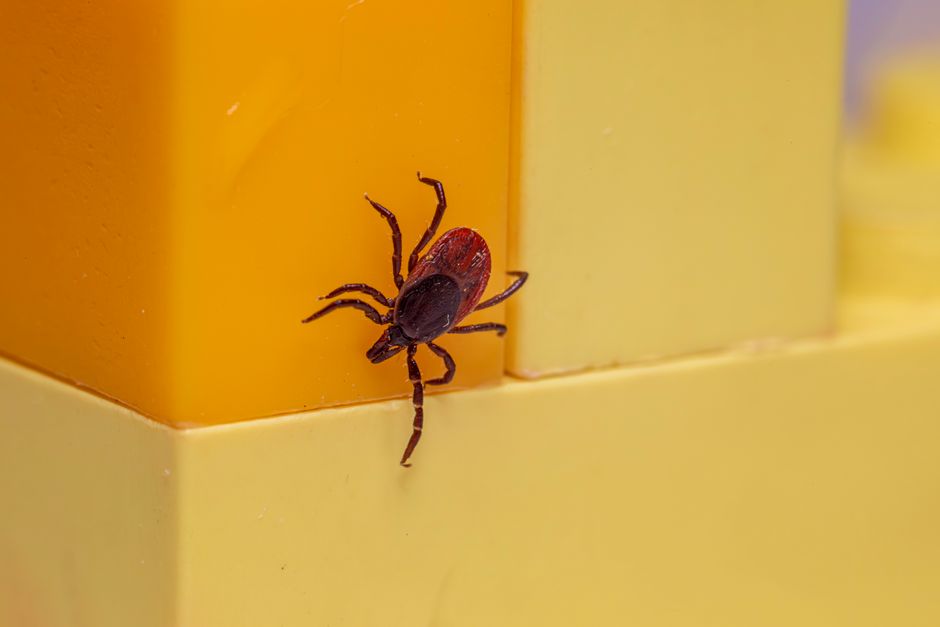
Ticks are a real health concern, not just a nuisance. They can carry diseases like Lyme disease, and the best way to avoid those risks is to prevent bites in the first place. You can significantly reduce your chances of a tick bite by using EPA-registered repellents on your skin and treating your clothing with permethrin, then doing a thorough tick check when you come inside. No single method is perfect, but combining these strategies is the most effective way to stay protected.
What Is the Most Effective Way to Repel Ticks?
There are two main categories of protection: repellents you put on your skin and treatments you apply to your clothing. Both work, but they work differently. The most effective strategy is to use both at the same time.
For your skin, the Environmental Protection Agency (EPA) registers active ingredients that have been proven to work. The two most effective and widely recommended are DEET and picaridin. Both are safe for use on skin when applied according to label instructions. DEET has decades of research behind it. Picaridin is newer but just as effective, and many people prefer its lighter feel and lack of odor.
For your clothing, the most effective product is permethrin. This is not a repellent you put on your skin. It is an insecticide that you spray on clothing and gear and let dry. Once dry, it binds to the fabric fibers. Ticks that come into contact with treated clothing absorb a lethal dose and die. It remains effective through several washes, making it a powerful layer of defense.
How To Not Get Ticks: Repellents, Clothing, and More
To reduce your risk effectively, you need a system. Relying on one method alone leaves gaps. Here is the practical breakdown of how to combine your defenses.
Step 1: Apply a skin repellent. Choose an EPA-registered product containing DEET, picaridin, or oil of lemon eucalyptus. Apply it to all exposed skin, paying special attention to ankles, wrists, and the back of your neck. Follow the label instructions for how much to apply and how often to reapply. This is not a place to guess—read the label.
Step 2: Treat your clothing with permethrin. You can buy permethrin spray at outdoor stores and treat your own clothes, or you can buy pre-treated clothing. The treatment remains effective for multiple washes—typically up to six—so check the product label for specifics. This step is critical because ticks often climb up from the ground and attach to your pants first.
Step 3: Dress strategically. Wear long sleeves and long pants tucked into your socks. Light-colored clothing makes it easier to spot a tick crawling on you before it bites. This is simple advice, but it works.
Step 4: Do a full body tick check. Ticks are small and their bites are painless. They can attach anywhere, but they prefer warm, moist areas like the groin, armpits, scalp, and behind the ears. Check yourself thoroughly when you come indoors. Use a mirror or ask someone to help check your back and scalp.
What Is the Best Tick Repellent for Skin?
For most adults, the choice comes down to DEET or picaridin. Both are proven to work. The best one is the one you will actually use correctly and consistently.
DEET is the most studied repellent in the world. It has been used for decades and has a strong safety record when used as directed. It is effective against ticks, mosquitoes, and many other biting insects. Some people dislike the smell or the oily feel.
Picaridin is a synthetic compound that mimics a natural substance found in pepper plants. It is effective against ticks and mosquitoes, and it does not have the strong odor of DEET. It also does not damage plastics or synthetic materials the way DEET can, which matters if you are wearing a watch or sunglasses.
Oil of lemon eucalyptus (OLE) is a plant-based option that is also registered with the EPA as a repellent. It works, but it needs to be reapplied more often than DEET or picaridin. It is not the same as pure essential lemon eucalyptus oil—the registered product is a specific formulation. It is not recommended for children under three years old.
Whatever you choose, look for the EPA registration number on the label. This confirms the product has been tested and proven effective.





How Does Permethrin Clothing Treatment Work?
Permethrin is a synthetic chemical that mimics a natural insecticide found in chrysanthemum flowers. It is highly toxic to ticks and insects but has very low toxicity to mammals, including humans and dogs, when used correctly.
When applied to clothing, permethrin binds to the fabric. A tick that lands on the fabric will absorb a lethal dose through its legs. It does not need to bite you to be affected. The tick becomes incapacitated and dies, often before it can reach your skin.
This is a different mechanism from skin repellents, which work by deterring the tick from climbing on you at all. Permethrin kills on contact. This is why it is such a powerful addition to your protection plan—it works even if you miss a spot with your skin repellent.
You can buy permethrin spray and treat your own clothes, or you can buy clothing that comes pre-treated. Pre-treated clothing is often marketed as lasting through 70 washes, but this claim varies by manufacturer. If you treat your own clothes, the protection typically lasts through about six washes. Always follow the label instructions.
What Should You Do After Being Outdoors?
The tick check is the most important step, and many people skip it or do it poorly. Ticks can transmit disease, but transmission usually takes time. For Lyme disease, the tick typically needs to be attached for 24 to 48 hours before transmission occurs. This gives you a window to find and remove a tick before it makes you sick.
Check your entire body. Use a hand mirror to see areas you cannot see directly. Pay close attention to your scalp, behind your ears, your armpits, your groin, and behind your knees. Ticks are small—nymphs can be the size of a poppy seed—so look carefully.
Put your clothes in the dryer on high heat for at least 10 minutes before washing them. The heat kills ticks. If you wash first, the water will not kill them, and they can survive the wash cycle.
Showering within two hours of coming indoors has been shown to reduce your risk of getting Lyme disease. It washes off unattached ticks and gives you a chance to do a thorough check.
How To Remove an Attached Tick Safely
If you find a tick attached to your skin, do not panic. You need to remove it quickly and correctly. The goal is to remove the entire tick, including the mouthparts.
Use fine-tipped tweezers. Grasp the tick as close to the skin’s surface as possible. Pull upward with steady, even pressure. Do not twist or jerk the tick—this can cause the mouthparts to break off and remain in the skin. Do not squeeze the tick’s body, as this can push infected fluids into your skin.
After removal, clean the bite area and your hands with rubbing alcohol or soap and water. Dispose of the tick by putting it in alcohol, sealing it in a bag, or flushing it down the toilet. Do not crush it with your fingers.
Do not use petroleum jelly, a hot match, nail polish, or any other folk remedy. These methods do not work and can actually increase the risk of disease transmission by irritating the tick and causing it to regurgitate.
If you develop a rash, fever, or flu-like symptoms within a few weeks of a tick bite, see a healthcare provider. The classic Lyme disease rash—erythema migrans—appears as a red bullseye in many cases, but not all cases present this way. Mention the tick bite to your provider, as it will help guide their evaluation.
Does Natural Repellent Work Against Ticks?
Some natural products are marketed as tick repellents. The evidence for most of them is weak. Oil of lemon eucalyptus is the exception—it is registered with the EPA as an effective repellent and works against ticks.
Other plant-based oils like citronella, peppermint, and tea tree oil are sometimes marketed for this purpose. No clinical evidence currently confirms that these are reliable tick repellents. They may have some short-term effect, but they do not provide the lasting, proven protection of DEET, picaridin, or permethrin.
If you prefer a natural option, oil of lemon eucalyptus is the one with real data behind it. Just be prepared to reapply it more often. If you are in a high-risk area, the proven synthetic options are the safer choice.
Frequently Asked Questions
What is the single best way to prevent tick bites?
No single method is perfect, but treating your clothing with permethrin and using an EPA-registered skin repellent together is the most effective combination.
How long does permethrin stay effective on clothing?
Spray-on permethrin treatments typically remain effective through about six washes, while pre-treated clothing can last longer, but you should check the product label for specific claims.
Should I use DEET or picaridin for ticks?
Both are equally effective against ticks when used correctly, so the best choice is the one you will use consistently and according to label directions.
How soon after a tick bite should I see a doctor?
You should see a doctor if you develop a rash, fever, or flu-like symptoms within a few weeks of a tick bite, not immediately after the bite itself.
