
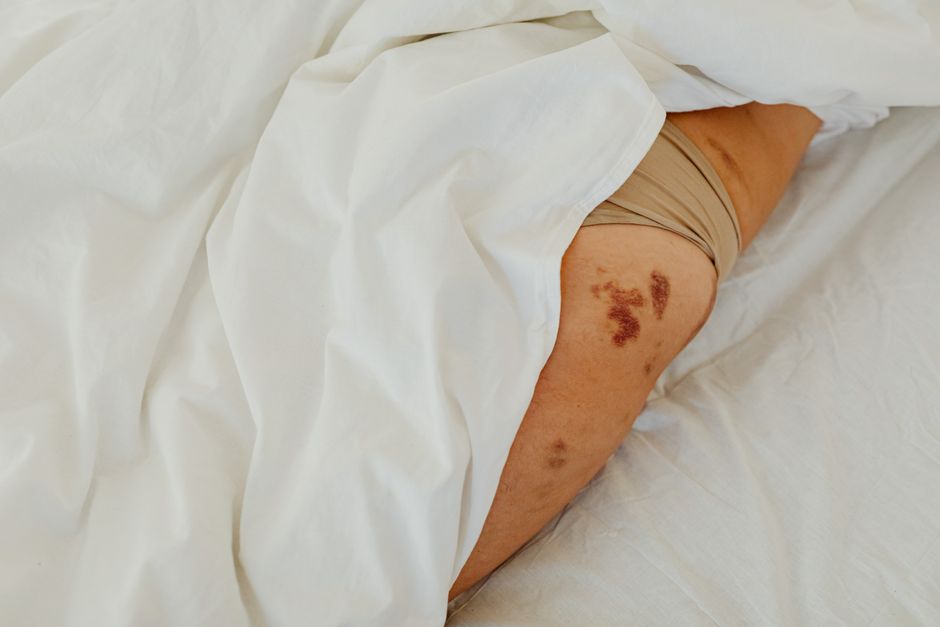
Tailbone pain is miserable. Sitting hurts. Standing up hurts. Even leaning back in a chair can send a sharp spike through your lower back. If you took a hard fall or bumped your backside recently, you are probably wondering if the pain is just a bruise or something more serious like a fracture. Here is the direct answer: the only way to know for certain if your tailbone is bruised or broken is to get an imaging test, usually an X-ray or an MRI. In practice, however, doctors rarely treat the two conditions differently, because the recovery plan is essentially the same for both.
What Is the Tailbone and Why Does It Hurt So Much?
Your tailbone is called the coccyx. It is a small, triangular bone at the very bottom of your spine. It is made up of three to five small bones that are fused together. Despite its small size, it attaches to several muscles, tendons, and ligaments. That is why an injury there can cause pain that radiates into your hips, lower back, or legs.
The coccyx is not built to absorb heavy impact. It sits close to the surface of your skin with very little fat or muscle padding in some people. A direct fall onto a hard surface transfers all the force straight into that bone. Even a minor bump can cause significant pain because the area is packed with nerve endings.
How To Tell If Your Tailbone Is Bruised Or Broken: The Key Symptoms
The symptoms of a bruised tailbone and a broken tailbone overlap heavily. Both cause pain at the base of the spine, tenderness when you press on the area, and pain when you sit or lean backward. Both can make it hurt to have a bowel movement or to transition from sitting to standing.
There is one clue that points more toward a fracture. If you feel a grinding sensation or hear a crackling sound when you move or press on the area, that is called crepitus. It can indicate that bone fragments are moving against each other. That symptom does not appear with a simple bruise.
Bruising visible on the skin is not a reliable indicator. Deep bruising around the tailbone often does not show up as a black-and-blue mark on the surface. Many people with fractures see no external bruising at all. Likewise, some people with only soft tissue damage develop significant discoloration.
Severity of pain is also not a dependable clue. A ligament tear can be more painful than a hairline fracture. Pain levels vary widely from person to person based on pain tolerance and the exact structures injured.
Why Imaging Is the Only Certain Way To Know
Doctors do not rely on physical examination alone to tell the difference. Pressing on the area and asking you to move helps them understand the location of the pain, but it cannot confirm a fracture. The only definitive way to distinguish a bruise from a break is imaging.
An X-ray is the standard first step. It will show a clear break if the bone is displaced or separated. The limitation is that X-rays can miss small hairline fractures. They also cannot show damage to ligaments, muscles, or cartilage around the bone.
An MRI is more sensitive. It can show bone bruises, which are areas of bleeding and swelling inside the bone that do not qualify as fractures. It can also reveal ligament tears and other soft tissue injuries that an X-ray cannot detect. However, an MRI is not usually ordered for a first visit unless the pain is severe, persistent, or not improving with standard care.
Some doctors use a CT scan when they suspect a fracture that an X-ray missed. CT scans are rarely needed for tailbone injuries. They are more commonly reserved for cases involving trauma severe enough to raise concern about other pelvic injuries.





Sitting Is the Biggest Problem and the Best Test
How you sit offers a practical clue, though not a diagnostic one. People with tailbone injuries often sit leaning to one side to shift weight off the coccyx. This is called “sit on one cheek” positioning. It is a natural instinct that almost everyone with tailbone pain adopts.
If sitting on a hard chair is unbearable but sitting on a soft cushion or a donut pillow is manageable, that points to the tailbone as the source of pain. It does not tell you whether the bone is bruised or broken, but it confirms the injury involves the coccyx rather than a different structure like the lumbar spine.
Pain that worsens when you lean backward while seated is another sign the coccyx is involved. That movement directly compresses the tailbone. Pain that worsens when you bend forward or twist is more likely coming from your lower back discs or muscles rather than the tailbone itself.
Treatment Is Nearly Identical for Both Injuries
Here is the practical reality that many people find surprising. Whether your tailbone is bruised or broken, the treatment plan is essentially the same. Neither condition requires surgery in the vast majority of cases. Both heal with time, pain management, and adjustments to how you sit.
The standard approach includes using a cushion with a cutout in the back, called a coccyx cushion or donut pillow, to take pressure off the area. Applying ice to the region for the first day or two helps reduce swelling. Heat may feel better after the initial swelling subsides, though evidence for heat specifically on tailbone injuries is limited.
Over-the-counter pain relievers like acetaminophen or ibuprofen can help manage discomfort. Ibuprofen and other nonsteroidal anti-inflammatory drugs reduce inflammation as well as pain. You should take them according to the label directions and talk to your doctor if you have kidney issues, stomach problems, or take blood thinners.
Sitting on hard surfaces should be avoided during the healing period. When you do sit, try to keep your weight on your thighs rather than your tailbone. Leaning forward slightly while seated shifts pressure away from the coccyx.
Stool softeners are often recommended. Straining during a bowel movement pulls on the muscles attached to the tailbone and can worsen pain. Keeping stools soft reduces that strain.
When To See a Doctor
You should see a doctor if the pain is severe, if you cannot sit or walk normally, or if the pain does not improve after a few days of home care. You should also seek medical attention if you have numbness, tingling, or weakness in your legs, or if you lose control of your bowel or bladder. Those symptoms can indicate nerve involvement and require urgent evaluation.
If the injury happened during a high-impact event like a car accident or a fall from a significant height, a doctor visit is warranted even if the pain seems manageable. Trauma strong enough to injure the tailbone can also injure other structures in the pelvis or lower spine.
Most tailbone injuries heal within a few weeks to a couple of months. If pain lasts longer than eight weeks, a follow-up with a doctor is appropriate. Chronic tailbone pain, called coccydynia, can develop after an injury and may require more specialized treatment.
What Does Not Work and What Is Overhyped
You may see products online claiming to speed up tailbone healing or realign the bone. No evidence supports these claims. No cushion, cream, or supplement can accelerate bone healing beyond the body’s natural timeline. Some products marketed for tailbone pain are simple foam pads sold at inflated prices.
Manual manipulation of the tailbone is sometimes performed by chiropractors or physical therapists. Evidence for this approach is mixed. Some people report relief, but no large clinical trials have confirmed that manipulation heals fractures faster or improves outcomes compared with standard care.
Surgery for tailbone injuries is rare. It is reserved for people with persistent, disabling pain that does not improve after months of conservative treatment. The procedure, called coccygectomy, removes part or all of the tailbone. It is a last resort and carries risks including infection and ongoing pain.
Recovery Timeline and What To Expect
Most people feel significant improvement within two to four weeks. Full recovery typically takes six to eight weeks. That timeline applies to both bruises and fractures because both involve healing of injured tissue in an area that is constantly stressed by sitting.
Returning to normal activities should be gradual. If an activity causes sharp pain, stop and rest. Pushing through severe pain can prolong recovery. Low-impact activities like walking are usually fine as long as they do not aggravate the area. High-impact activities like running or cycling should wait until sitting is comfortable again.
If you are still in significant pain after two months, go back to your doctor. Some people develop chronic tailbone pain that requires more specialized care, including injections or physical therapy. Persistent pain does not mean you are healing abnormally. It means the injury may involve structures beyond the bone itself.
Frequently Asked Questions
Can you walk with a broken tailbone?
Yes, you can usually walk, though it may be painful. Walking puts less direct pressure on the tailbone than sitting does.
How long does a bruised tailbone take to heal?
Most bruised tailbones improve within two to four weeks. Full relief typically takes six to eight weeks.
Does a broken tailbone require a cast or surgery?
No. There is no cast for the tailbone, and surgery is rarely needed. Most fractures heal on their own with cushioning, pain relief, and time.
Is it okay to sit on a donut pillow with a tailbone injury?
Yes. A cushion with a cutout in the back removes pressure from the tailbone and is the standard recommendation for comfort during healing.
