

Yeast infections are common, uncomfortable, and often treatable at home. The most effective natural approach depends on where the yeast is growing, but for most mild cases, antifungal remedies like coconut oil, garlic, or boric acid suppositories can help. However, the most important step is addressing the underlying cause, since yeast thrives when your body’s natural balance is disrupted.
What Causes Yeast Overgrowth in the Body?
Yeast, most commonly Candida albicans, lives naturally on your skin, in your mouth, and in your digestive tract. In healthy amounts, it causes no problems. Other bacteria and your immune system keep it in check.
Problems start when something tips that balance. Antibiotics are a major trigger because they kill beneficial bacteria along with harmful ones. High estrogen states, like pregnancy or hormone therapy, can also feed yeast growth. Poorly controlled diabetes creates extra sugar in tissues, which yeast uses as fuel.
When the balance shifts, yeast multiplies rapidly. This can cause vaginal yeast infections, oral thrush, diaper rash, or skin fold infections. These are all localized problems, not whole-body infections.
How To Naturally Get Rid Of Yeast In Your Body
The natural treatment for yeast depends entirely on the location of the infection. What works for a vaginal infection will not work for oral thrush, and neither will treat a systemic problem because systemic yeast infections are extremely rare and usually occur only in severely immunocompromised people.
For vaginal yeast infections, several natural options have clinical evidence behind them. Boric acid suppositories are one of the most studied natural treatments. Research shows boric acid is effective against many strains of yeast, including some that resist standard antifungal medications. The typical treatment is one 600 mg capsule inserted vaginally daily for 7 to 14 days. Boric acid is toxic if swallowed and should never be used during pregnancy.
For oral thrush, gentian violet is a traditional remedy with antifungal properties. It is applied directly to the affected areas in the mouth. It stains everything purple, including teeth and clothing, but it has been used safely for decades.
For skin fold infections, keeping the area clean and dry is the foundation of treatment. Yeast thrives in warm, moist environments. Over-the-counter antifungal creams containing clotrimazole or miconazole are effective and available without a prescription.
Does Diet Affect Yeast Overgrowth?
The idea of a “candida cleanse” or “anti-yeast diet” is popular online. The theory is that cutting sugar and refined carbohydrates will starve the yeast and cure overgrowth. The evidence for this is limited.
No large clinical trials have confirmed that diet alone can cure an active yeast infection. However, diet does influence your risk of getting one. High blood sugar feeds yeast. If you have diabetes or prediabetes, better blood sugar control through diet can reduce your risk of recurrent infections.
Some research suggests that probiotic foods, like yogurt with live cultures, may help prevent yeast infections. The mechanism makes sense: probiotics help restore beneficial bacteria that keep yeast in check. But studies showing probiotics cure an active infection are mixed.
If you want to try dietary changes, reducing added sugar is reasonable for overall health. Just do not expect diet alone to cure an established infection. You need a topical or local treatment to address the yeast that is already there.



Which Natural Remedies Have Real Evidence?
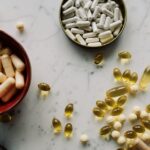
Several natural substances have genuine antifungal properties. Here is what the evidence actually shows:
- Boric acid: Well-studied for vaginal yeast infections, including resistant strains. Effective but must be used correctly and never orally.
- Tea tree oil: Has antifungal activity in laboratory studies. It is too irritating for vaginal use and should always be diluted for skin application.
- Coconut oil: Contains medium-chain fatty acids with antifungal properties. Some studies show it has activity against Candida species, but clinical trials are limited.
- Garlic: Contains allicin, a compound with antifungal properties. Clinical evidence for treating active infections is weak, and garlic can cause skin irritation.
- Gentian violet: Effective for oral thrush when applied topically. Safe for short-term use in most people.
These remedies have different levels of evidence. Boric acid has the strongest clinical support. The others show promise in laboratory settings but have not been consistently proven in human trials.
When Should You See a Doctor?
Natural remedies are appropriate for mild, first-time infections or for infections you have had before and recognize. You should see a doctor in several situations.
See a doctor if this is your first yeast infection. The symptoms of a yeast infection overlap with other conditions, including bacterial infections and sexually transmitted infections. Treating the wrong condition delays proper care.
See a doctor if your symptoms do not improve within a few days of home treatment. Persistent symptoms may mean you have a resistant strain or a different condition entirely.
See a doctor if you are pregnant. Natural treatments like boric acid are not safe during pregnancy. Your doctor can recommend treatments that are safe for you and your baby.
See a doctor if you have recurrent infections, meaning four or more per year. Frequent infections may signal an underlying condition like diabetes or an immune problem that needs evaluation.
How To Prevent Yeast From Coming Back
Prevention focuses on maintaining the conditions where yeast cannot overgrow. Several habits have solid evidence behind them.
Wear breathable cotton underwear and avoid tight clothing. Yeast grows in warm, moist environments. Keeping the area dry makes it harder for yeast to multiply. Change out of wet swimsuits or sweaty workout clothes promptly.
Avoid unnecessary antibiotics. Antibiotics kill beneficial bacteria that normally suppress yeast. Only take antibiotics when your doctor confirms a bacterial infection. Do not pressure your doctor for antibiotics for viral illnesses like colds.
If you have diabetes, keep your blood sugar well controlled. High glucose levels in tissues feed yeast growth. Consistent blood sugar management reduces your risk of infections throughout the body.
Some women find that avoiding douches and scented feminine products helps. These products disrupt the natural vaginal flora and can increase infection risk. The vagina is self-cleaning and does not need internal washing.
What About Probiotics for Yeast Prevention?
Probiotics are beneficial bacteria that may help prevent yeast overgrowth. The most studied strains for this purpose are Lactobacillus species, which are normally dominant in a healthy vagina.
Some studies show that probiotic supplements or yogurt containing live Lactobacillus cultures can reduce the rate of recurrent yeast infections. The evidence is stronger for prevention than for treatment of an active infection.
If you choose to try probiotics, look for products that list specific strains and colony-forming units. Refrigerated products generally contain more live organisms. Eat them consistently for several weeks to see any benefit.
Probiotics are generally safe for healthy people. People with weakened immune systems or severe underlying illness should talk to a doctor before taking probiotic supplements.
Can Men Get Yeast Infections?
Yes. Men can develop yeast infections, most commonly on the penis. This condition is called balanitis when it involves inflammation of the glans. Symptoms include redness, itching, burning, and a white discharge.
Risk factors for men include unprotected sex with a partner who has a yeast infection, diabetes, and recent antibiotic use. Poor hygiene or an uncircumcised penis also increases risk because the foreskin can trap moisture.
Treatment for men is similar to treatment for women. Topical antifungal creams are the first-line approach. Keeping the area clean and dry is essential. Men with recurrent infections should be evaluated for diabetes.
Frequently Asked Questions
How long does it take for natural yeast infection treatments to work?
Most mild yeast infections improve within 2 to 7 days of starting an effective natural treatment like boric acid or an antifungal cream. If symptoms have not improved after 7 days, see a doctor.
Can apple cider vinegar cure a yeast infection?
No clinical evidence confirms that apple cider vinegar cures yeast infections. It has antifungal properties in laboratory settings, but it can irritate sensitive tissues and should not be used internally.
Is coconut oil safe to use for a vaginal yeast infection?
Coconut oil has antifungal properties and is generally safe for external use, but it is not a proven treatment for vaginal infections. It may help soothe symptoms but should not replace an antifungal treatment.
Can stress cause yeast infections?
Stress does not directly cause yeast infections, but it can weaken your immune system and make it harder for your body to keep yeast in check. Managing stress is reasonable for overall health, but it is not a standalone treatment.
