
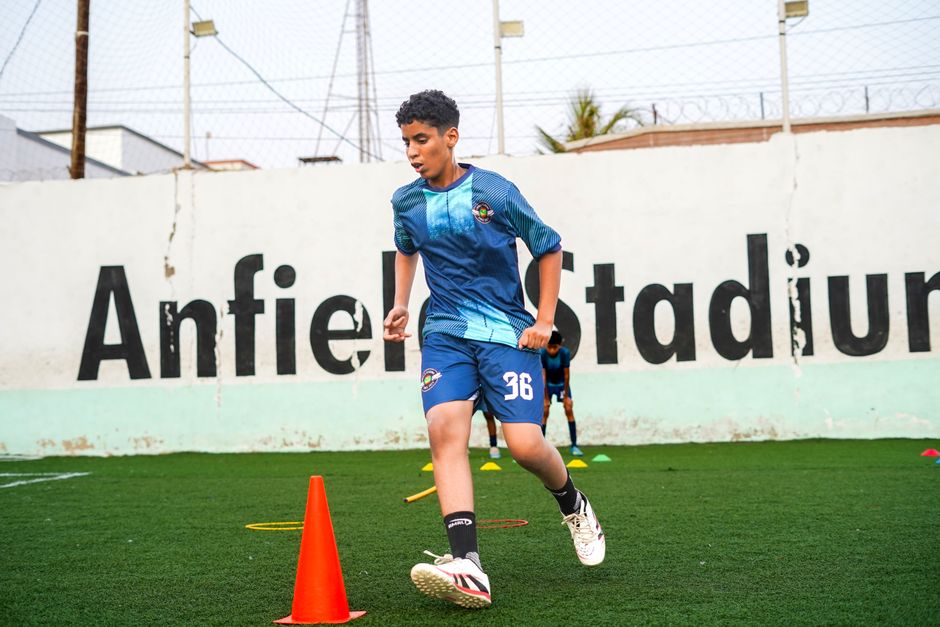
To land on your midfoot while running, focus on three things: a quick cadence of about 170–180 steps per minute, landing with your foot directly under your hips, and a “light feet” cue that helps you avoid heel striking. The most effective drills include barefoot running on grass or turf, the “paw back” motion where you pull your foot back just before landing, and short 30–60 second intervals where you emphasize a forefoot touch before the rest of your foot settles. These drills work because they retrain your proprioception—your body’s sense of where your foot is in space—rather than relying on conscious muscle control.
What Is a Midfoot Strike and Why Do Runners Want It?
A midfoot strike means your foot lands with the ball of your foot and the heel contacting the ground at roughly the same time. This contrasts with a heel strike (first contact on the heel) or a forefoot strike (only the ball touches first). Many runners believe a midfoot strike is more efficient and reduces impact-related injuries.
Research consistently shows that a midfoot strike produces a lower vertical loading rate compared to a heel strike. This means the force of each step builds more gradually, which may reduce the risk of stress fractures and other bone stress injuries. However, the evidence is mixed on whether midfoot strike actually prevents all types of running injuries. Some studies suggest it shifts load to the calf and Achilles tendon, which can be problematic if you transition too quickly.
The main reason runners aim for a midfoot strike is to align their footfall with their center of mass. When your foot lands too far in front of your body (as in heel striking), you create a braking force that slows you down. Landing under your hips keeps your momentum moving forward. This biomechanical advantage is well established, but it does not guarantee injury prevention for every runner.
How Does Your Foot Strike Naturally Change With Speed?
At walking speeds, almost everyone heel strikes. As you speed up to an easy jog, most people naturally move toward a midfoot strike. At sprint speeds, nearly all runners land on their forefoot. This is not a coincidence—your body automatically adjusts your foot strike to match the demands of speed.
The implication for learning a midfoot strike is clear: you should not try to force a midfoot strike at a pace that feels unnatural. If you are running at a very slow pace (say 12 minutes per mile or slower), it may be difficult to avoid a light heel strike. That is normal. Trying to override your natural gait at low speeds can lead to extra strain. A midfoot strike is most appropriate for moderate to fast paces—around 9 minutes per mile or faster for most runners. If you run slowly, do not stress about foot strike.
What Are the Most Common Mistakes When Trying to Midfoot Strike?
The biggest mistake runners make is trying to change their foot strike by focusing on their foot. They actively try to land on the ball of their foot, which leads to overstriding, excessive calf strain, and sometimes Achilles pain. Changing your foot strike must come from changes higher up in your body—your cadence, your lean, and your arm swing.
Another common error is switching to a midfoot strike all at once. Your tissues—especially your calves, Achilles tendons, and foot bones—need time to adapt. If you go from a heel strike to a midfoot strike overnight and increase mileage as usual, you are at high risk for injury. The evidence supports a gradual transition over 4 to 8 weeks, starting with short intervals and staying well below your normal injury threshold.
A third mistake is thinking that a midfoot strike means landing on your toes. A true midfoot strike should feel like a “flat landing” with even pressure across the whole foot. If you are landing only on the ball of your foot, that is a forefoot strike, which puts more load on the calf and Achilles. Some runners do fine with a forefoot strike, but it is a different pattern with different demands.





How To Midfoot Strike Drills And Cues That Work
Drill 1: Barefoot strides on grass or turf. Take off your shoes and run 50–100 meters at a moderate pace on a soft surface. Barefoot, you naturally avoid heel striking because it hurts. Your body will automatically find a midfoot or forefoot strike. Do 4–6 repetitions, then put your shoes back on and try to replicate that same feel.
Drill 2: The “paw back” cue. When your foot is about to hit the ground, imagine you are pawing the ground backward with the sole of your foot, like a dog scratching dirt. This little backward pull encourages your foot to land underneath your body rather than reaching forward. It works because it shifts your focus to the pulling phase of your gait rather than the landing.
Drill 3: High cadence quick steps. Use a metronome app set to 170–180 beats per minute. Run in place for 30 seconds, matching your foot strikes to the beat. Then transition forward into a slow jog while keeping the same cadence. A faster cadence naturally shortens your stride, which brings your foot closer to your body, encouraging a midfoot strike.
Drill 4: The “light feet” cue. As you run, tell yourself your feet should barely touch the ground. Imagine you are running on hot coals or on eggshells. This cue reduces ground contact time and prevents a heavy, stomping heel strike. It works because it shifts attention away from your foot position and toward the overall quality of your stride.
Drill 5: Uphill repeats. Find a gentle hill (3–5% grade) that takes about 30 seconds to run up. Run uphill with good posture, leaning from the ankles. Gravity naturally forces your foot to land under your body, and most runners adopt a midfoot or forefoot strike without thinking. Do 6–8 repeats, focusing on the feel, then bring that feel to flat ground.
No single cue works for every runner. Try each drill for one week and see which one gives you the most consistent midfoot landing. Most runners find that a combination of barefoot strides and high cadence or the “light feet” cue is most effective.
How Quickly Can You Transition to a Midfoot Strike Safely?
Safe transition typically takes 4 to 8 weeks. The first week, do no more than 10% of your total weekly mileage with the new foot strike, and use it only during drills or warm-ups. Each week, you can increase that fraction gradually, but stop if you feel any sharp pain—especially in your calves, Achilles, or shins.
This slow ramp is not because midfoot strike is dangerous. It is because your tissues have adapted to your previous strike pattern over years. Your calf and Achilles are not used to the extra demand that comes from a foot strike that puts more load on the posterior chain. Some studies on transitioning runners found that injury rates are highest in the first two weeks of a change, which supports a cautious approach.
If you are over 40 or have a history of calf strains or Achilles tendinopathy, you may need to take it even slower—over 8 to 12 weeks. There is no rush. A midfoot strike will not make you significantly faster in the short term, but a safe transition will let you stick with it.
What If You Can’t Feel Your Midfoot Landing?
Some runners never feel a distinct midfoot strike. They may feel a vague “in between” sensation where they cannot tell if they are landing on the heel or the midfoot. This is common, especially if you have thick cushioning shoes that mask feedback. If you cannot feel your foot strike, film yourself running on a treadmill or have someone watch from the side. Slow-motion video on a phone is enough to see where your foot first contacts.
If video confirms you are still heel striking despite drills, check your cadence first. A cadence below 160 steps per minute almost always means you are overstriding and heel striking. Increase your cadence to 170 or above, and the foot strike often corrects itself. Only if cadence is already high and you still heel strike should you consider whether your pace is too slow—in which case, accept a light heel strike as normal. Do not obsess over foot strike to the point of altering your running form in harmful ways.
Frequently Asked Questions
What is the difference between midfoot strike and forefoot strike?
In a midfoot strike, the ball of the foot and heel make contact at nearly the same time. In a forefoot strike, only the ball touches first, and the heel may never touch the ground during stance.
Is midfoot strike always better than heel striking?
No. While midfoot strike may reduce loading rates and improve economy at some speeds, no large trial has proven it reduces overall injury risk for every runner. Some runners run pain-free for decades with a heel strike.
How long does it take to adapt to a midfoot strike?
Most runners need 4 to 8 weeks of gradual progression. Calf and Achilles tightness is normal at first, but sharp pain means you are progressing too fast.
Can I run barefoot to learn a midfoot strike?
Yes. Running barefoot on a safe, soft surface is an effective way to let your body find a midfoot strike naturally. But do not run barefoot for more than a few minutes at first, as your foot muscles and plantar fascia need adaptation time.
