
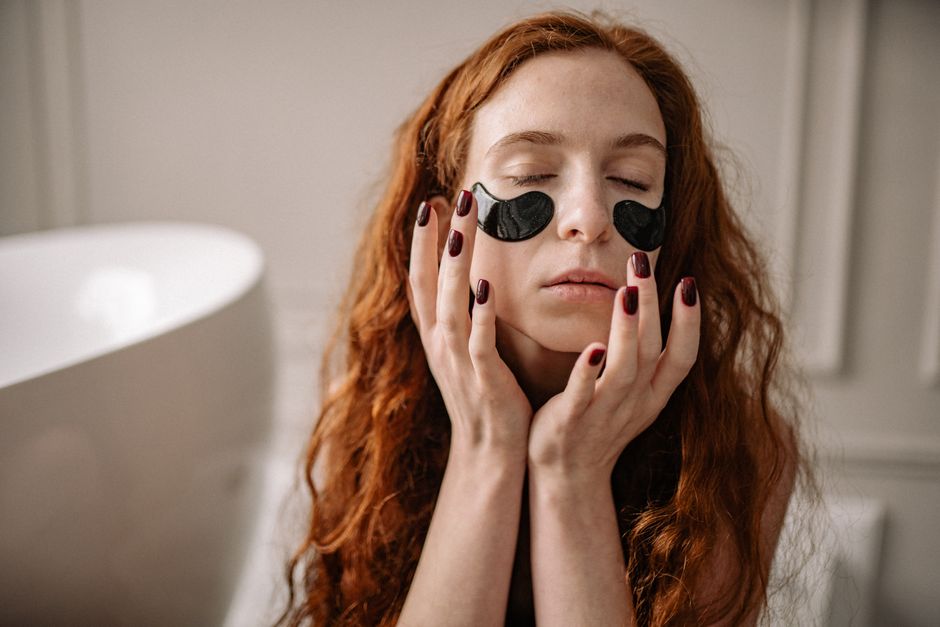
Puffy eyes happen when fluid collects in the thin tissue around your eyes, and the fastest way to reduce them is a cold compress for 5-10 minutes, sleeping with your head slightly elevated, and drinking enough water. These steps work because they address the most common causes: fluid pooling overnight, dehydration, and irritated tissue. None of them are instant fixes for a structural cause like a genetic fat pad. But for ordinary morning puffiness, they are the methods with real physiological support.
What Actually Causes Puffy Eyes?
The skin around your eyes is the thinnest on your body — roughly 0.5 millimeters thick in some areas. Underneath it sits loose connective tissue with very little fat. That combination makes it easy for fluid to collect there and hard for it to drain quickly.
Most puffiness comes from one of a few mechanisms. Fluid shifts during sleep because you are lying flat, so gravity is no longer pulling fluid down toward your legs. That fluid redistributes, and the loose tissue around the eyes holds some of it. This is why puffiness is usually worst right after waking.
Other common contributors include:
- Eating a high-sodium meal the night before, which causes your body to retain water
- Dehydration, which paradoxically makes your body hold onto fluid
- Lack of sleep or disrupted sleep
- Alcohol, which is a diuretic and also affects fluid balance
- Allergies, which cause inflammation and fluid buildup in the eye area
- Crying, which increases blood flow and fluid in the tissue around the eyes
- Hormonal changes, including those related to menstrual cycles or thyroid function
Some causes are not about fluid at all. As you age, the fat pads that support the eye area can shift or weaken. The membrane holding them in place can loosen. That creates a persistent puffiness or “eye bag” that no cold compress will fix. It is a structural change, not a fluid problem. This distinction matters because it determines what will and will not work.
Do Cold Compresses Actually Reduce Puffiness?
Yes. Cold temperatures constrict blood vessels, which reduces blood flow and fluid accumulation in the area. That is a well-established physiological response, not a marketing claim.
A cold compress for 5-10 minutes can visibly reduce morning puffiness. You do not need a special product. A clean washcloth soaked in cold water works. So does a chilled spoon, a bag of frozen peas wrapped in a towel, or a gel eye mask kept in the refrigerator.
What matters is the cold and the time. Ten minutes is generally enough. Keeping it on longer does not add benefit and can irritate the skin.
One practical point: do not put ice directly on your eyelids. The skin there is thin enough that direct ice can cause irritation or even a cold burn. Always use a cloth barrier.
Cold compresses work on fluid-based puffiness. They do not change structural eye bags caused by fat pads. If your puffiness is the same every day regardless of sleep, salt, or hydration, it may be structural.
Does Sleeping Position Affect Morning Puffiness?
It does, and this is one of the most overlooked factors. When you lie flat, fluid that would normally be pulled downward by gravity has nowhere to go. It settles in the loosest tissue, which happens to be around your eyes.
Sleeping with your head slightly elevated — an extra pillow or a wedge — allows gravity to help drain fluid away from your face overnight. This is not a dramatic fix, but it reduces the amount of fluid that accumulates.
Back sleeping is generally better than stomach sleeping for this reason. Stomach sleeping presses your face into the pillow, which can also trap fluid and cause temporary creasing.
This approach will not eliminate puffiness entirely. It reduces it. If you wake up with significant swelling every day despite elevating your head, the cause is likely something else.





Can Diet and Hydration Make Puffy Eyes Better or Worse?
Sodium is the biggest dietary factor. Your body maintains a careful balance of sodium and water. When you eat a lot of sodium, your body retains water to keep the concentration of sodium in your blood within a safe range. That extra water shows up as puffiness, often around the eyes.
This does not mean you need to avoid salt. It means a very salty dinner — restaurant food, processed snacks, soy sauce — can show up on your face the next morning. That is a predictable physiological response, not a sign of a health problem.
Dehydration works in the opposite direction but produces a similar result. When you are short on water, your body releases antidiuretic hormone and holds onto what fluid it has. The result can be puffiness even though you are not drinking enough. Drinking adequate water throughout the day helps your body maintain normal fluid balance.
Alcohol is worth mentioning separately. It suppresses antidiuretic hormone, which makes you urinate more and become dehydrated. It also affects sleep quality. Both can contribute to morning puffiness.
There is no specific food that has been shown in clinical trials to eliminate puffy eyes. Claims about cucumber slices, green tea bags, or specific foods are mostly based on the cold temperature and the placebo effect of a soothing routine, not on any proven chemical effect on fluid retention.
When Are Puffy Eyes a Medical Concern?
Occasional puffiness is normal and not a health problem. Persistent or severe swelling around the eyes can be a sign of something that needs medical attention.
See a doctor if:
- Puffiness is severe, sudden, or getting worse
- It comes with redness, pain, warmth, or fever
- It affects only one eye
- It comes with vision changes
- It is accompanied by swelling in your legs, ankles, or feet
- It is accompanied by shortness of breath or chest discomfort
- It does not improve with rest, hydration, and time
Swelling around the eyes can be related to thyroid conditions, kidney problems, liver conditions, or allergic reactions. It can also be a side effect of certain medications. These are not common causes of ordinary morning puffiness, but they are worth knowing about.
If you have tried the basic steps — cold compress, elevation, hydration, reducing sodium — and your puffiness does not change at all, that is useful information. It suggests the cause may be structural or medical rather than fluid-related.
Which Quick Fixes Do Not Work?
Several popular remedies have no evidence behind them or work for reasons other than what people claim.
Cucumber slices. The benefit comes from the cold temperature and the fact that you are lying still with your eyes closed. The cucumber itself does not have a unique chemical effect on fluid retention. A cold spoon does the same thing.
Tea bags. Some people use chilled tea bags. The cold helps. Caffeine is a vasoconstrictor, so there is a plausible mechanism, but no clinical trials have confirmed that tea bags reduce eye puffiness better than a cold cloth.
Hemorrhoid cream. This is an old modeling trick. Some of these creams contain vasoconstrictors, which is why they might temporarily tighten the skin. But they are not formulated for use near the eyes, and the FDA does not approve them for this purpose. Using them on the eyelid area carries a risk of irritation and is not recommended by any clinical guideline.
Facial exercises. There is no evidence that exercising the muscles around your eyes reduces fluid-based puffiness. The puffiness is in the tissue, not the muscle.
Expensive eye creams marketed for puffiness. Some contain caffeine or peptides. The evidence for meaningful, lasting reduction in puffiness is limited. The cooling sensation of applying them may provide temporary relief. No large human trials have confirmed that these products change the underlying cause.
What Is the Most Effective Routine for Morning Puffiness?
The most effective approach combines several steps that address the underlying mechanisms.
Start the night before. Keep dinner from being very high in sodium. Avoid alcohol close to bedtime. Drink water consistently through the day so you are not dehydrated by morning.
Sleep with your head slightly elevated. An extra pillow or a wedge under your mattress works. This lets gravity do some of the work overnight.
In the morning, apply a cold compress for 5-10 minutes. A washcloth in cold water or a refrigerated gel mask works. Keep your eyes closed and rest.
Drink a glass of water. If you are dehydrated, this helps your body release retained fluid over the next hour or two.
If allergies are part of the picture, treating the allergy is more effective than treating the puffiness. An oral antihistamine or allergy eye drops recommended by a doctor or pharmacist can reduce the allergic component. Puffiness from allergies will keep coming back if the allergy is not addressed.
If your puffiness is structural — the same every day, not related to sleep or salt — these steps will not change it much. In that case, a dermatologist or eye doctor can tell you what is causing it and what options exist. Some treatments for structural eye bags are medical procedures, and those carry their own risks and recovery times.
Frequently Asked Questions
How long does it take for a cold compress to reduce puffy eyes?
Most people see a visible reduction within 5-10 minutes of applying a cold compress. Keeping it on longer than 10 minutes does not add benefit and may irritate the thin skin around the eyes.
Does drinking more water help puffy eyes?
Yes, if dehydration is part of the cause. When you are short on water, your body retains fluid, which can show up as puffiness. Drinking adequate water through the day helps maintain normal fluid balance.
Are puffy eyes a sign of a health problem?
Occasional morning puffiness is normal and not a health concern. Persistent, severe, or one-sided swelling — especially with pain, redness, vision changes, or swelling in your legs — should be evaluated by a doctor.
Can eye creams get rid of puffy eyes permanently?
No. No eye cream has been shown in large human trials to permanently eliminate puffiness, especially when the cause is structural. Some may provide temporary tightening or a cooling effect.
