
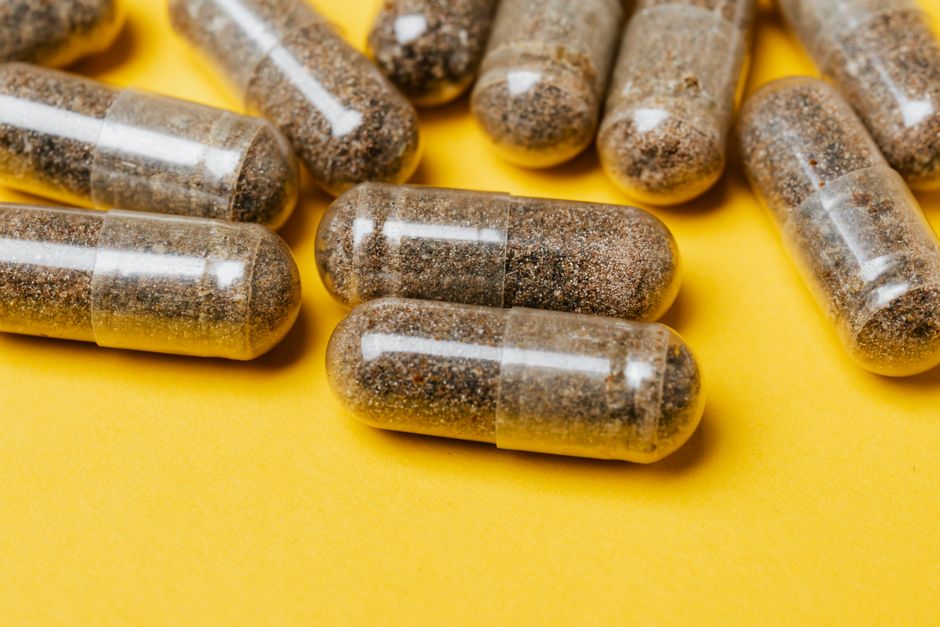
Microdosing cannabis means using very small amounts of THC — often far below what produces a noticeable high — in a deliberate, controlled way. There is no single official microdose, because cannabis affects people very differently based on tolerance, body chemistry, and how it is consumed. The safest approach starts far lower than you think you need, uses a method that lets you measure the dose precisely, and waits long enough between doses to judge the actual effect before taking more.
What Counts as a Microdose of Cannabis?
A microdose is a dose small enough that the person using it does not feel impaired, while still possibly noticing subtle effects. The problem is that “small” is not a fixed number.
For someone who has never used cannabis, a microdose of THC might be as little as 1 to 2.5 milligrams. For a regular user with high tolerance, the same amount may produce no effect at all. This is why borrowed doses from friends or online posts are unreliable.
Most commercially available cannabis products are not built for microdosing. A single edible might contain 10 milligrams of THC, which is a standard recreational dose for many people — not a microdose. A single puff of a high-potency vape can deliver more than a beginner would want. The dose that matters is the one you can actually measure and repeat.
Low-THC or high-CBD products complicate the picture. CBD does not produce a high, and some people use CBD-dominant products and call it microdosing. That is a different practice with a different risk profile. THC is the compound that causes impairment, and it is the one to track carefully.
Why Do People Microdose Cannabis?
People report microdosing for many reasons: reduced anxiety, better sleep, help with focus, or relief from mild pain. What the evidence actually supports is narrower than the marketing suggests.
There is reasonable clinical evidence for cannabis-based products in certain specific conditions, such as chemotherapy-induced nausea and some forms of chronic pain, and prescription cannabinoid medications exist for these purposes. But those are not the same as microdosing recreational products, and they involve supervised dosing.
For the everyday claims — sharper focus, calmer mood, better sleep without impairment — the evidence is limited. Some studies suggest low-dose THC may affect anxiety and sleep in some people, but results vary and the research is not strong enough to call microdosing an established treatment. No clinical evidence currently confirms that microdosing delivers benefits without any downside.
It is also worth separating the idea of “no high” from “no effect.” Even small amounts of THC can affect attention, reaction time, and short-term memory in ways a person may not notice. That matters for driving and for tasks that require sharp focus.
How Do You Actually Microdose? The Main Methods
The method you choose matters as much as the dose. Some delivery methods make small, repeatable doses easy. Others make precision almost impossible.
Edibles and tinctures
These are the most controllable options for microdosing because the THC content is labeled and can be divided. A tincture allows you to measure small amounts with a dropper. Low-dose edibles or products designed to be split let you start at 1 to 2.5 milligrams.
The catch with edibles is timing. Edible THC is processed through the liver and takes much longer to take effect than inhaled cannabis — often an hour or more, sometimes longer. Taking more because “nothing happened yet” is one of the most common and unpleasant mistakes.
Inhalation (flower or vape)
Inhaled cannabis takes effect within minutes, which makes it easier to judge a dose quickly. The downside is precision. A single puff delivers an unknown and variable amount, and potency varies widely between products. Vape cartridges are often very high in THC, which makes small doses hard to control.
Some people use a single small puff and wait. This is common practice, but it is not a precise dosing method. If you need repeatable doses, measured edibles or tinctures are more reliable.
What to avoid for microdosing
- High-potency concentrates and dab products — far too strong for microdosing
- Unlabeled homemade edibles — you cannot know the dose
- Sharing a single edible without knowing its total THC content
- Combining cannabis with alcohol, which amplifies impairment



What Are the Most Common Microdosing Mistakes?
The biggest mistake is starting too high. People read a dose online, assume it is small, and take it — without accounting for their own tolerance or the product’s actual potency.
Taking more too soon is the second. With edibles especially, the delay between swallowing and feeling effects leads people to redose before the first dose has fully kicked in. The result is a much larger effect than intended.
Ignoring product labels is another. THC content varies enormously between products, and “one gummy” or “one puff” tells you nothing about milligrams. Always check the labeled THC per serving.
Using cannabis daily without breaks is a mistake worth naming. Regular use builds tolerance, which means the same microdose stops feeling like anything — and some people respond by escalating. Daily use also carries a risk of dependence for some individuals. Taking regular breaks helps you reassess whether the dose is still doing what you want.
Finally, treating microdosing as risk-free. It is lower-risk than high-dose use for most adults, but it is not zero-risk. Anyone with a personal or family history of psychosis or schizophrenia should be especially cautious, because THC can trigger or worsen psychotic symptoms in vulnerable people. This is a well-documented concern, not a rare edge case.
How Should a Beginner Start Microdosing Safely?
Start low, go slow, and change one thing at a time. That principle is the foundation of safe microdosing.
Choose a measured product with a clear THC label. Begin at the lowest amount you can reliably measure — for many beginners that means around 1 to 2.5 milligrams of THC. Take it in a familiar, comfortable setting where you are not driving or responsible for anything demanding.
Wait the full onset time for that method before considering more. For edibles, that means waiting at least a couple of hours. Keep a simple record of the dose, the time, and what you noticed. Patterns become clear quickly when you write them down.
If the effect is too strong, do not take more to “balance it out.” Time is the main thing that helps. Stay calm, stay hydrated, and avoid driving. If you ever experience severe anxiety, chest pain, or signs of psychosis, seek medical help.
If the effect is barely noticeable, increase only slightly on a later occasion — not the same day. Small, patient adjustments are how people find their personal threshold.
Is Microdosing Cannabis Legal and Safe?
Legality depends entirely on where you live. Cannabis rules vary widely by country and, in the United States, by state. Some places allow recreational use, some allow only medical use, and some prohibit it entirely. Check your local laws rather than assuming.
On safety, the honest position is that microdosing is generally lower-risk than high-dose use for healthy adults, but it is not without concerns. THC can affect memory, coordination, and reaction time even at low doses. It can interact with some medications. It is not recommended during pregnancy or breastfeeding, and no clinical guidelines establish a safe dose for those groups.
If you take prescription medications, especially ones that affect the liver or the nervous system, talk to a pharmacist or clinician before using cannabis. The interaction risk is real and often overlooked.
Frequently Asked Questions
What is a typical microdose of THC in milligrams?
For many beginners, a microdose is roughly 1 to 2.5 milligrams of THC, though tolerance changes this considerably. There is no universal standard, so start at the lowest measurable amount.
How long does it take to feel a cannabis microdose?
Inhaled cannabis takes effect within minutes, while edible THC often takes an hour or more. Wait the full onset time for your method before taking more.
Can you microdose cannabis without getting high?
Many people aim for that, but small amounts of THC can still affect attention and reaction time even when you do not feel impaired. The absence of a high does not mean zero effect.
Is microdosing cannabis safe every day?
Daily use builds tolerance and carries a dependence risk for some people, so regular breaks are wise. Anyone with a history of psychosis should be especially cautious and speak with a clinician first.
