
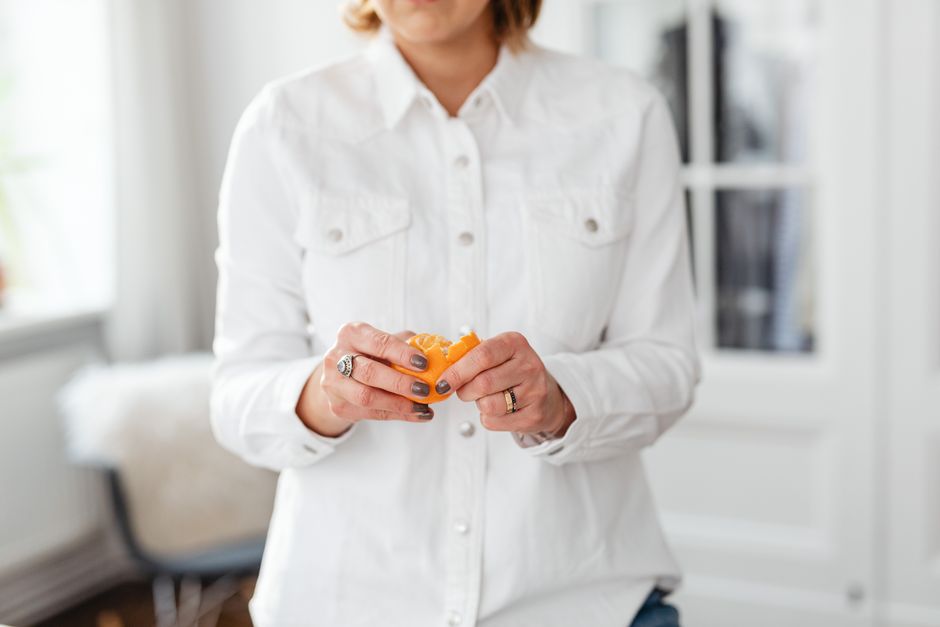
You can make orange oil from peels using four main methods: cold pressing, steam distillation, solvent extraction, and a simple infusion in a carrier oil. Cold pressing works best for small batches because it needs no heat or special equipment, though the yield is low and the oil spoils faster than commercial products. Steam distillation produces a more concentrated, longer-lasting oil but requires a still. Solvent extraction and oil infusion are practical alternatives when you want scent more than pure essential oil.
Before you start, one thing is worth knowing. What most people call “orange oil” from a kitchen project is usually a diluted or infused product, not the concentrated essential oil sold in stores. That distinction matters for how you store it and how you use it.
How To Make Orange Oil From Peels 4 Methods?
Each method extracts different compounds from the peel, and the results are not interchangeable. The peel contains limonene, a hydrocarbon that makes up the large majority of the oil in citrus rind, along with smaller amounts of other aromatic compounds. How you pull those compounds out determines the strength, shelf life, and safety of what you end up with.
Here is how the four methods compare in plain terms.
- Cold pressing — presses oil from fresh peel mechanically. No heat. Best for small batches and immediate use.
- Steam distillation — uses steam to vaporize and then condense the oil. Produces concentrated essential oil. Needs equipment.
- Solvent extraction — uses a solvent like high-proof alcohol to dissolve the oil, then evaporates it. Moderate yield.
- Oil infusion — steeps peel in a carrier oil like olive or sunflower oil. Produces a scented oil, not essential oil.
Method 1: How Do You Cold Press Orange Oil From Peels?
Cold pressing relies on physical pressure rather than heat or chemicals. Commercial citrus oil is often made this way at scale, but a home version is a scaled-down imitation of that process.
Start with fresh peels from oranges you have just eaten or juiced. The white pith underneath holds little oil and adds bitterness, so scrape most of it away. Let the peel dry for a day or two to reduce moisture, which helps prevent mold in the final product.
Press the peel firmly. You can squeeze it by hand over a bowl, use a garlic press, or run it through a manual citrus press. You will see a fine mist of oil and juice release. Collect what comes out, then let it separate. The oil floats and the watery juice settles below. Skim the oil off the top with a dropper.
The yield is small. A single orange might give you only a few drops. This is normal. Cold-pressed oil made this way is also unstable because it still contains water and plant material that can spoil. Keep it refrigerated and use it within a short time.
Method 2: How Does Steam Distillation Make Orange Essential Oil?
Steam distillation is the method used to produce true essential oil, and it is the standard approach in the commercial essential oil industry. Steam passes through the peel, heats the volatile compounds until they turn to vapor, and then a condenser cools that vapor back into liquid. The oil separates from the water and is collected.
The water left behind is called hydrosol or floral water. It carries some scent but far less oil. Orange blossom water is a familiar example of a hydrosol from a related citrus process.
For home use, small copper or stainless steel stills are sold for this purpose. The process takes time and careful temperature control. If the heat is too high or the setup is poor, you get a weak product or none at all.
Steam-distilled orange oil is far more concentrated than anything you can press by hand. It also keeps much longer because the water and plant debris are gone. This is the closest you will get to the essential oil on a store shelf, though commercial operations use industrial equipment that is hard to match at home.




Method 3: How Do You Use Solvent Extraction For Orange Oil?
Solvent extraction uses a liquid to pull the oil out of the peel, then removes that liquid to leave the oil behind. The most accessible solvent for home use is high-proof drinking alcohol, though food-grade ethanol is the safer choice if you can get it.
Chop or blend fresh peel and cover it with the alcohol in a sealed jar. Shake it daily and let it sit for a week or two. The alcohol draws out the aromatic compounds. Strain the liquid through a fine cloth or coffee filter.
Now you have an alcohol-and-oil mixture. To concentrate it, leave the jar open in a warm, well-ventilated spot so the alcohol evaporates. What remains is a more concentrated orange oil, sometimes called an absolute when made with stronger solvents.
Two cautions apply here. Alcohol is flammable, so keep the evaporating jar away from flames and sparks. And do not use industrial solvents like acetone or paint thinner for anything you plan to put on your skin. Those are not food-safe.
Method 4: How Do You Make Orange Oil By Infusion?
Infusion is the simplest method and the one most people actually mean when they talk about making orange oil at home. You steep peel in a carrier oil, and the fat absorbs the aroma compounds over time.
Use a mild carrier oil such as sunflower, grapeseed, or olive oil. Olive oil has a strong flavor of its own that can compete with the orange, so many people prefer a lighter oil. Dry your peel first to avoid introducing water, which shortens shelf life and can encourage spoilage.
Cover the peel with oil in a clean jar. Keep it in a warm spot out of direct sun for two to four weeks, shaking occasionally. Strain out the peel and bottle the oil.
What you get is a scented carrier oil, not essential oil. It is much weaker than steam-distilled oil and cannot be substituted for it in recipes or products that call for concentrated essential oil. But it is gentle, easy, and useful for cooking, massage, and homemade cleaners.
Which Method Should You Choose?
The right method depends on what you want the oil for and how much effort you are willing to put in.
| Method | What You Get | Equipment Needed | Strength |
|---|---|---|---|
| Cold pressing | Raw pressed oil | None to minimal | Low, spoils fast |
| Steam distillation | True essential oil | A still | High, keeps long |
| Solvent extraction | Concentrated oil or absolute | Jars, food-grade alcohol | Moderate to high |
| Infusion | Scented carrier oil | Jars only | Low |
For a quick project with no equipment, cold pressing or infusion are your options. For a product that behaves like store-bought essential oil, steam distillation is the only method that truly delivers. Solvent extraction sits in the middle, offering more concentration than infusion without the cost of a still.
Is Homemade Orange Oil Safe To Use?
Orange oil is generally recognized as safe in small amounts for most people, but homemade versions carry risks that commercial products do not.
The biggest concern is skin sensitivity. Citrus oils contain compounds that can make skin more sensitive to sunlight, a reaction called photosensitivity. This is well documented for concentrated citrus essential oils. Do not apply undiluted orange oil to skin before sun exposure. If you want to use it on skin, dilute it heavily in a carrier oil first, and test a small area before using more.
Homemade oil made by cold pressing or infusion can also grow mold or bacteria if water or plant material remains. This is a real spoilage risk, not a theoretical one. Refrigerate these products and discard them if they smell off or show any growth.
Never swallow essential oil unless a qualified professional has told you to and given you a specific amount. Orange essential oil is not a food product in its concentrated form, and ingesting it can cause harm. Keep all homemade oils away from children and pets. Citrus oils can be toxic to cats in particular.
If you are pregnant, breastfeeding, or have a health condition, talk to a clinician before using any concentrated essential oil. No clinical guidelines currently exist for safe amounts of homemade orange oil in these groups.
How Should You Store Homemade Orange Oil?
Storage decides how long your oil lasts. Light, heat, and air all break down the aromatic compounds, so protection from all three matters.
Use dark glass bottles with tight caps. Keep them in a cool, dark cabinet rather than on a sunny windowsill. Cold-pressed and infused oils should go in the refrigerator because they still contain materials that spoil. Steam-distilled oil is more stable and can be kept at room temperature, though it still fades over time.
Expect cold-pressed and infused oils to last weeks to a few months at most. Steam-distilled oil can keep for a year or longer if stored well, though its scent will gradually weaken. There is no way to restore oil that has gone rancid or lost its smell. Make small batches and replace them rather than trying to stretch them.
Frequently Asked Questions
Can you make orange oil from peels without any equipment?
Yes. Cold pressing by hand and oil infusion both need nothing more than fresh peels and a jar. Both produce a weak product compared with steam-distilled oil, but they work for simple home use.
Is homemade orange oil the same as store-bought essential oil?
Usually not. Only steam distillation produces true essential oil at home. Infusion and cold pressing give you weaker, faster-spoiling products that behave differently and should not be swapped one-for-one in recipes.
Can you put homemade orange oil directly on your skin?
Concentrated citrus oils can make skin more sensitive to sunlight, so undiluted use is not advised. Dilute it heavily in a carrier oil and test a small patch first.
How long does homemade orange oil last?
Cold-pressed and infused oils typically last weeks to a few months when refrigerated. Steam-distilled oil keeps far longer, often a year or more, if stored in a dark bottle away from heat and light.
