
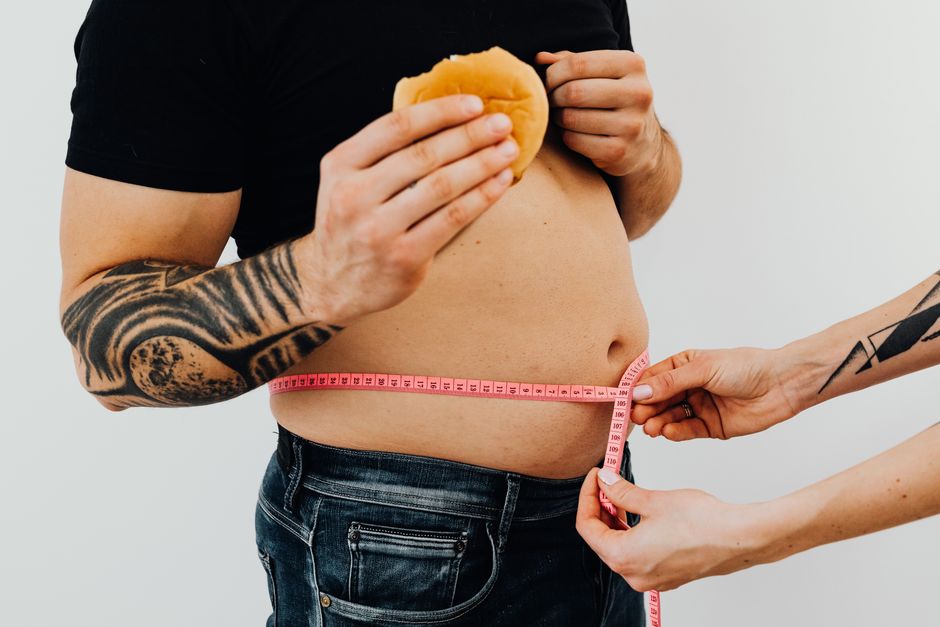
Visceral fat is the fat stored deep inside your belly, wrapped around your liver, intestines, and other organs. It is not the same as the pinchable fat just under your skin. Science is clear that the fastest evidence-based way to reduce visceral fat is a sustained calorie deficit combined with regular aerobic exercise and strength training. No supplement, tea, or gadget melts it away. The process takes weeks and months, not days, but the methods that work are well established and measurable.
What Is Visceral Fat and Why Does It Matter?
Visceral fat is biologically active tissue. It releases inflammatory compounds called cytokines into your bloodstream. This is different from subcutaneous fat, which sits under the skin and is far less metabolically active.
High levels of visceral fat are linked to insulin resistance, type 2 diabetes, high blood pressure, and heart disease. This is why waist circumference matters as a health marker. A tape measure around your abdomen at the level of your belly button is a practical screening tool, though it does not distinguish visceral from subcutaneous fat directly. Imaging scans like MRI or CT are the only precise way to measure visceral fat, but they are not needed for most people.
The key point is that visceral fat responds to the same weight loss principles as other fat. It is not stubborn by nature, but it is dangerous in a way that subcutaneous fat is not.
Does Spot Reduction Work for Belly Fat?
Spot reduction is a myth. Doing hundreds of crunches or planks will strengthen your abdominal muscles, but it will not selectively remove fat from your midsection. Research consistently shows that exercise training a specific muscle group does not significantly reduce fat in that area more than anywhere else.
Fat loss happens systemically. Your body draws from fat stores all over, and genetics largely determine the order in which areas shrink. For many people, abdominal fat is among the last to go. This is frustrating but normal. The solution is not to target the belly directly but to reduce overall body fat through diet and full-body exercise.
How To Melt Visceral Fat Fast According To Science?
Science points to a combination of dietary changes and exercise as the fastest reliable approach. A calorie deficit is non-negotiable. You must consume fewer calories than your body burns. The size of the deficit determines the speed of loss. A moderate deficit of about 500 calories per day typically leads to about one pound of fat loss per week, though this varies by individual.
Aerobic exercise is particularly effective for visceral fat. Studies have found that moderate-to-vigorous aerobic exercise reduces visceral fat even without significant weight loss. Brisk walking, jogging, cycling, and swimming all qualify. The evidence supports at least 150 minutes of moderate-intensity aerobic activity per week for general health, and more may be needed for meaningful visceral fat reduction.
Strength training also helps. Muscle tissue burns more calories at rest than fat tissue. Building lean mass raises your resting metabolic rate, which supports a calorie deficit. Some research suggests that combining aerobic and resistance training is more effective for visceral fat loss than either alone.
There is no shortcut around this. The fastest method according to science is consistent, measurable effort in both diet and exercise.





What Foods Help Reduce Visceral Fat?
No single food melts visceral fat. However, certain dietary patterns make it easier to maintain a calorie deficit and improve metabolic health.
Protein is the most satiating macronutrient. Higher protein intake reduces hunger and helps preserve muscle mass during weight loss. Good sources include lean meats, poultry, fish, eggs, dairy, legumes, and tofu. Aiming for roughly 1.6 to 2.2 grams of protein per kilogram of body weight per day is a common evidence-based range for people actively losing weight, though individual needs vary.
Fiber slows digestion and promotes fullness. Vegetables, fruits, whole grains, and legumes are rich in fiber. Soluble fiber in particular, found in oats, barley, beans, and apples, has been associated with reduced visceral fat in some observational studies. The mechanism is not fully proven, but the satiety benefit is well established.
Refined carbohydrates and added sugars work against you. Sugary drinks are especially problematic because liquid calories do not trigger the same fullness signals as solid food. High-fructose corn syrup and other added sugars are consistently linked to increased visceral fat in research. Replacing these with water, unsweetened beverages, and whole foods is a practical step.
Alcohol is another factor. Excess alcohol intake is associated with increased abdominal fat. Reducing or eliminating alcohol is one of the more effective dietary changes for many people.
Does Intermittent Fasting Target Visceral Fat?
Intermittent fasting is a pattern of eating that cycles between periods of eating and fasting. Common approaches include time-restricted eating, where you eat within an 8 to 10-hour window each day, and alternate-day fasting.
The evidence on intermittent fasting and visceral fat is mixed but not negative. Some studies show that time-restricted eating helps people reduce calorie intake and lose weight, including visceral fat. Other research suggests that intermittent fasting is not superior to continuous calorie restriction for fat loss when total calories are matched.
The practical takeaway is that intermittent fasting works because it helps some people eat fewer calories. If the eating window makes it easier to maintain a deficit, it can be a useful tool. If it leads to overeating during the eating window, it will not help. There is nothing magic about the fasting itself.
What About Sleep and Stress?
Sleep and stress are often overlooked but they matter for visceral fat. Short sleep is associated with increased hunger hormones and reduced fullness hormones. This makes maintaining a calorie deficit harder. Most adults need seven to nine hours of sleep per night for optimal health.
Chronic stress raises cortisol, a hormone that promotes fat storage in the abdominal area. This is a well-documented physiological response. Managing stress through regular physical activity, adequate sleep, and social connection is a reasonable strategy, though the direct effect on visceral fat loss is harder to quantify than diet and exercise.
These factors do not replace the calorie deficit. They support it by making it easier to stick to healthy eating patterns.
Are There Supplements That Melt Visceral Fat?
No supplement has been proven to selectively melt visceral fat. The supplement industry is full of products claiming otherwise, but the clinical evidence does not support these claims.
Some compounds have shown modest effects on weight loss in small studies. Green tea extract, caffeine, and conjugated linoleic acid have all been studied. The effects, where they exist, are small and inconsistent. No supplement substitutes for diet and exercise.
Be cautious with any product promising rapid visceral fat loss. If a supplement worked dramatically, it would be a prescription drug. The honest position is that no clinical evidence currently confirms that any supplement selectively reduces visceral fat.
How Fast Can You Expect Results?
Visceral fat responds to weight loss, but the timeline varies. Some research suggests that visceral fat may be lost preferentially during the early phase of weight loss in some people, while others lose subcutaneous fat first. This is not predictable in advance.
A realistic expectation is that noticeable changes in waist circumference take at least four to eight weeks of consistent effort. Significant reductions take several months. The scale may not move much initially if you are building muscle while losing fat, which is why waist measurements and how your clothes fit are useful additional trackers.
Crash diets or extreme exercise regimens are not recommended. They often lead to muscle loss, rebound weight gain, and metabolic adaptation. Slow, steady progress is more sustainable and more likely to last.
Frequently Asked Questions
Can you lose visceral fat in two weeks?
Some early changes are possible, but significant visceral fat loss in two weeks is unlikely. A consistent calorie deficit and daily exercise can produce measurable changes in a month or more.
Is walking enough to reduce visceral fat?
Brisk walking can help if done regularly and combined with a calorie deficit. Moderate-intensity aerobic exercise like walking is effective, but intensity and duration matter.
Does drinking water help burn belly fat?
Water itself does not burn fat, but replacing sugary drinks with water reduces calorie intake. Staying hydrated also supports normal metabolism and helps control hunger.
Are crunches good for losing belly fat?
Crunches strengthen abdominal muscles but do not selectively remove belly fat. Fat loss requires an overall calorie deficit and full-body exercise.
