
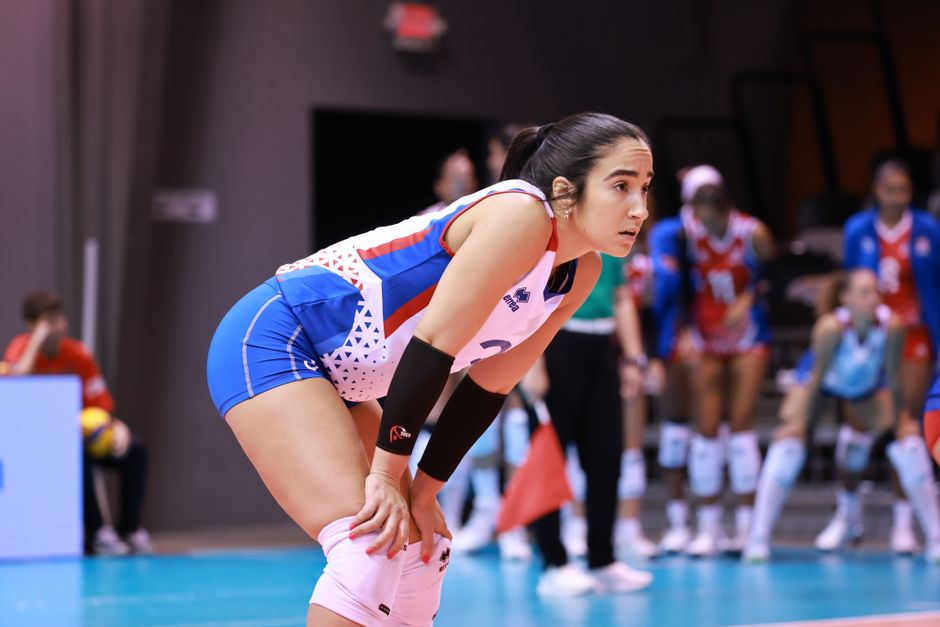
Getting volleyball knee pads that fit right starts with two measurements: the circumference of your leg at the center of your kneecap, and the circumference a few inches above and below it. You take these with a soft tape measure, leg straight but relaxed. Then you match those numbers to the size chart for the specific brand you’re buying. There is no universal size chart, so the same “medium” can fit differently from one company to the next.
That’s the short version. The longer version matters because a knee pad that’s too loose slides down mid-play. One that’s too tight digs into the back of your knee and restricts movement. Neither is comfortable, and neither protects well.
What Tools Do You Need to Measure for Knee Pads?
A soft, flexible tape measure is the only tool you actually need. The kind used for sewing works best because it bends around the curve of your leg. A stiff metal tape measure from a toolbox won’t wrap cleanly and will give you a false reading.
If you don’t have a soft tape, use a piece of string or a strip of paper. Wrap it around your leg, mark where the ends meet, then lay it flat against a ruler. This gets you the same number.
You’ll also want to be standing or sitting with your leg straight and your muscles relaxed. Flexing your quad changes the circumference. So does standing with your weight shifted to one side. Keep it neutral.
Wear shorts or thin leggings when you measure. Thick fabric adds width that doesn’t reflect your actual leg. If you plan to wear knee pads over padded pants or a brace, measure over that layer instead.
Where Exactly Do You Measure Your Knee?
You measure at three points. First, the center of your kneecap. Second, about 3 to 4 inches above the kneecap, across your lower thigh. Third, about 3 to 4 inches below the kneecap, across your upper calf.
The center measurement is the most important one. That’s where the pad sits and where fit is decided. The above and below measurements tell you whether you need a longer or shorter pad, and whether the top and bottom edges will stay put or roll.
Here’s a detail people miss: your knee circumference changes when your leg is bent versus straight. A bent knee pushes the kneecap forward and changes the shape of the leg. Since you play with bent knees, some players measure both ways. If the difference is large, size toward the bent measurement so the pad doesn’t bind when you crouch.
Measure both legs. Most people have a slight difference between left and right. Use the larger measurement when choosing a size. A pad that fits your bigger leg will still work on the smaller one, but not the reverse.
How Do You Match Your Measurements to a Size Chart?
You match by finding the brand’s own size chart and reading the circumference range that contains your knee measurement. Every brand publishes its own chart, and the ranges don’t line up across companies. A 14-inch knee might be a medium in one brand and a large in another.
This is the single most common mistake people make. They buy the size they’ve always worn, or the size a friend wears, without checking the chart. Sizing is not standardized in volleyball gear the way shoe sizes roughly are.
A general pattern exists across many brands, though exact ranges vary:
- Small typically covers knee circumferences around 12 to 13 inches
- Medium typically covers around 13 to 14 inches
- Large typically covers around 14 to 15 inches
- Extra large typically covers around 15 inches and above
Treat those numbers as a rough guide only. Do not buy based on them. Buy based on the specific chart for the specific pad you’re ordering. If a brand doesn’t publish a chart, that’s a reason to look at a different brand.
When your measurement falls near the top of one range and the bottom of the next, think about how you want it to feel. The smaller size will be snugger and less likely to slide. The larger size will be easier to get on and off but may shift during play.



What If You’re Between Sizes?
For most players, sizing down is the better choice for knee pads specifically. Volleyball knee pads are designed to stay in place through dives, lunges, and repeated floor contact. A pad that’s slightly snug does that better than one that’s slightly loose.
But snug has a limit. If the pad leaves deep marks on your skin, restricts your knee from bending fully, or causes numbness or tingling in your lower leg, it’s too small. Those are signs of a pad pressing on nerves or cutting off circulation. Take it off and go up a size.
Some pads use a sleeve-style design with silicone grip strips at the top and bottom. These tolerate a slightly looser fit because the grip holds them in place. Others are simple elastic sleeves with no grip. Those need a closer fit to stay up.
If you’re genuinely stuck between two sizes and the brand offers free returns, order both and send back the one that doesn’t work. Trying them on is more reliable than any chart.
Why Does Fit Matter More Than Padding Thickness?
Fit determines whether the pad stays where it’s supposed to be. Padding thickness only matters if the pad is actually covering your kneecap when you hit the floor.
A thick pad that slides down to your shin protects nothing. A thinner pad that stays centered over your kneecap does its job. This is why experienced players often prefer a moderate pad with a secure fit over a bulky pad that moves.
It’s also worth being clear about what knee pads do and don’t do. They cushion the front of the knee against impact and abrasion from the floor. They do not support the joint, prevent ligament injuries, or reduce the risk of serious knee damage. If you’re looking for joint support, that’s a different piece of equipment — a brace, not a pad.
No knee pad has been shown to prevent ACL tears, meniscus injuries, or other structural knee damage. Players sometimes assume padding equals protection. It doesn’t work that way. The pad protects skin and soft tissue at the front of the knee from repeated impact. That’s the honest scope of what it does.
How Should a Properly Fitted Knee Pad Feel?
It should feel snug but not tight, and it should stay in place when you move. You should be able to bend your knee fully, squat, and lunge without the pad bunching behind your knee or rolling at the edges.
Do a quick test before you commit. Put the pad on and do ten bodyweight squats. Then do a few lunges and a mock dive onto a soft surface. If the pad stays centered over your kneecap through all of that, the fit is right.
Check the back of your knee afterward. The crease behind the knee is where tight pads cause the most trouble. Redness that fades quickly is normal. Persistent marks, soreness, or any numbness means the pad is too tight.
Also check the top and bottom edges. If they roll down into a tight band, the pad is either too small or the wrong shape for your leg. Some players have more taper between thigh and calf than others, and some pad designs handle that better.
Does Knee Pad Size Change With Age or Body Changes?
Yes. Leg circumference changes with muscle gain, weight change, and even swelling after activity. A measurement you took two years ago may not be accurate now.
Re-measure before each new purchase. It takes two minutes and prevents the most common fitting error. Players who lift weights or change training volume often notice their thigh and calf measurements shift over a season.
Swelling is worth mentioning separately. If your legs swell after long practices or in hot weather, measure when you’re not swollen. Measuring a swollen leg leads to a pad that’s too big once the swelling goes down.
For younger players still growing, re-measure more often. A pad that fit at the start of a season may not fit by the end. There’s no clinical guideline for how often to re-measure in growing athletes — it depends on how fast the individual is growing.
Common Measuring Mistakes to Avoid
Measuring over thick clothing is the most frequent error. It adds width and pushes you into a size that’s too big. Measure over bare skin or thin fabric.
Pulling the tape too tight is the second. A soft tape should sit against your leg without compressing it. If the tape leaves a dent, you’re pulling too hard and reading a smaller number than your true size.
Using a brand’s chart from memory or from an old product listing is the third. Charts change when brands update their designs. Always check the current chart for the current product.
Finally, don’t assume your shoe size, height, or weight predicts your knee pad size. None of those correlate reliably with leg circumference. The tape measure is the only thing that tells you what you need.
Frequently Asked Questions
Where do you measure your leg for volleyball knee pads?
Measure the circumference at the center of your kneecap, plus about 3 to 4 inches above and below it. The center measurement is the one that decides your size.
Should volleyball knee pads be tight or loose?
They should be snug enough to stay centered over your kneecap through dives and lunges, but loose enough that you can bend your knee fully without pinching. If they leave deep marks or cause numbness, they’re too tight.
What size knee pad do I need if I’m between sizes?
For most players, sizing down works better because a snugger pad stays in place during play. If the smaller size restricts movement or causes tingling, go up instead.
Do volleyball knee pads prevent knee injuries?
No. Knee pads cushion the front of the knee against impact and floor abrasion, but they do not support the joint or prevent ligament or meniscus injuries.
