
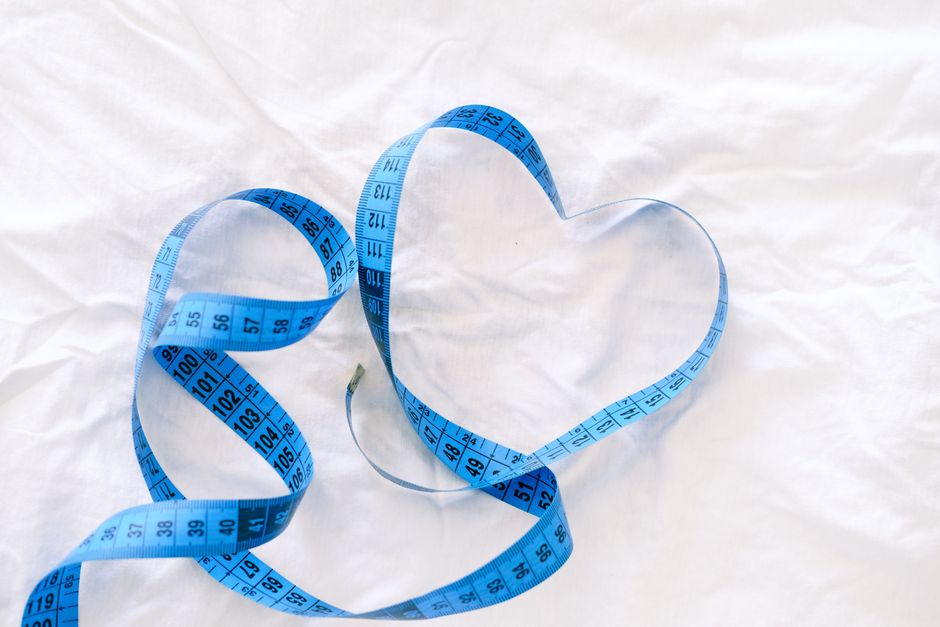
Getting the right CPAP mask fit starts with a tape measure, not a trip to the store. You need two numbers: the distance from the bridge of your nose to the bottom of your chin, and the width of your nose. These two measurements determine whether you need a small, medium, or large mask. Most manufacturers publish sizing charts that map these numbers directly to their specific mask models.
What Measurements Do You Actually Need?
You need two basic measurements for any CPAP mask. The first is the vertical distance. Place the end of a soft tape measure at the bridge of your nose, right between your eyes. Run it straight down to the bottom of your chin. That number is your vertical length.
The second measurement is the width of your nose. Measure across the widest part of your nose, usually right at the nostrils. Keep the tape flat against your skin. Do not pull it tight.
These two numbers are the foundation of every CPAP mask sizing chart. Whether you use a nasal mask, nasal pillow, or full-face mask, the manufacturer will ask for these same two measurements. Write them down before you start shopping.
How To Measure For A Cpap Mask At Home Without Errors
Measure yourself in the morning. Your face changes slightly throughout the day. Fluid retention and normal swelling can add a few millimeters to your face by evening. Morning measurements are the most consistent and reliable.
Use a flexible cloth tape measure, the kind used for sewing. A rigid ruler will not bend around the curves of your face. If you do not have a cloth tape, use a piece of string and then measure the string against a ruler.
Look straight ahead while measuring. Do not tilt your head up or down. Tilting changes the distance between your nose and chin. Keep your face relaxed. Do not smile or frown. A neutral expression gives you the most accurate numbers.
Measure twice. If the two measurements differ by more than 2 millimeters, measure a third time. Small errors compound when you translate measurements to a sizing chart.
Understanding CPAP Mask Types and Their Sizing
Each mask style uses your measurements differently. Nasal pillows sit just under your nostrils. They come in small, medium, and large sizes based on the width of your nostrils. Some people need different sizes for each nostril, which is normal.
Nasal masks cover your nose entirely. They require both your vertical length and nose width. These masks seal around the perimeter of your nose. A proper fit means the seal sits comfortably on the bridge of your nose without pressing on the bone.
Full-face masks cover both your nose and mouth. They use the same two measurements but require more precision. A full-face mask that is too small will leak around the edges. One that is too large will press on your eyes or slide around during the night. This is the hardest mask type to fit correctly at home.
Some manufacturers offer extra-small and extra-large sizes. If your measurements fall at the very edge of a size range, or between two sizes, order one of each. Many suppliers allow returns on masks that do not fit. Trying both sizes is more reliable than guessing.



Reading Manufacturer Sizing Charts Correctly
Every manufacturer uses their own sizing chart. A medium in one brand is not the same as a medium in another. You must check the specific chart for the exact mask model you want to buy.
Most charts list a range of vertical lengths and nose widths for each size. For example, a small might fit a vertical length of 8 to 10 centimeters, while a medium fits 10 to 12 centimeters. Your measurement determines which size you need for that specific product.
Pay attention to the units. Some charts use centimeters, others use inches. Converting between them introduces room for error. Stick with the unit the manufacturer provides.
If your measurements place you at the boundary between two sizes, choose the larger size. A slightly larger mask is easier to adjust than one that is too small. A mask that is too small will create pressure points and leaks. A slightly larger mask can usually be tightened to achieve a proper seal.
How To Check Your Mask Fit At Home
After you receive your mask, do a fit test before you go to bed. Put the mask on and connect it to your CPAP machine. Turn the machine on and lie down in your normal sleeping position.
Move around. Turn side to side. Shift your head on the pillow. A mask that fits correctly maintains its seal through normal movement. If you feel air leaking around the edges, the mask is too large or the straps are too loose.
Check for pressure points. The mask should not hurt anywhere. Red marks on your face after wearing the mask for a few minutes indicate the mask is too small or too tight. The bridge of your nose is the most common pressure point. If the mask presses hard on the bone there, it is the wrong size.
Your CPAP machine may have a mask fit feature. Most modern machines include this function in their settings menu. It runs a short test to detect leaks. Use it to verify your fit objectively rather than relying only on feel.
Give yourself time to adjust. A new mask often feels strange for the first few nights. The difference between a mask that needs adjustment and one that does not fit is the difference between mild discomfort and actual pain or persistent leaking. If you experience pain or the mask will not seal no matter how you adjust the straps, try a different size.
When To Get Professional Help With Fitting
Some situations call for professional fitting. If you have used CPAP before and struggled with leaks, a professional fitting may solve problems you could not fix at home. If you have facial features that make standard sizing difficult, such as a very narrow or very wide face, professional help is worth the cost.
People with facial hair often need professional guidance. Beards interfere with mask seals. A professional can recommend masks designed to work with facial hair or help you find a fit that works around it.
If you have had facial surgery or trauma, your face may not match standard sizing charts. A professional can help you find a mask that accommodates your specific anatomy. This is especially important for people with nasal obstructions or deviated septums.
Some insurance plans cover professional fitting services. Check with your insurance provider before you pay out of pocket. Many durable medical equipment suppliers offer free fitting when you purchase a mask through them.
Common Mistakes People Make When Measuring
The most common mistake is measuring at the wrong time of day. Measuring in the evening when your face has some swelling leads to a mask that is too large. Measure in the morning for the most accurate baseline.
Another frequent error is using a metal or rigid ruler. These do not conform to the curves of your face. The resulting measurements can be off by several millimeters. Always use a flexible tape measure or string.
People also confuse the nose width measurement. They measure the width of their nostrils rather than the widest part of their nose. These are different numbers. The nostril width matters for nasal pillows. The widest part of the nose matters for nasal and full-face masks.
Finally, many people skip measuring altogether and guess their size based on how they feel about their face. This almost always leads to the wrong size. The measurements take two minutes. They save you weeks of struggling with a mask that does not fit.
Frequently Asked Questions
How do I measure my face for a CPAP mask?
Measure the distance from the bridge of your nose to the bottom of your chin, and the width of your nose at its widest point. Use a flexible tape measure in the morning with a neutral facial expression.
What if my measurements fall between two mask sizes?
Choose the larger size. A slightly larger mask can be adjusted with the straps to achieve a seal, while a smaller mask creates pressure points and leaks that cannot be fixed.
Can I try a CPAP mask before buying it?
Many online suppliers allow returns on masks that do not fit, and local medical equipment suppliers often let you try masks in person. Check the return policy before ordering to confirm you can exchange sizes.
How do I know if my CPAP mask fits correctly?
Put the mask on, turn on your machine, and move around in your normal sleeping position. The mask should stay sealed without leaking and should not cause pain or pressure points on your face.
