
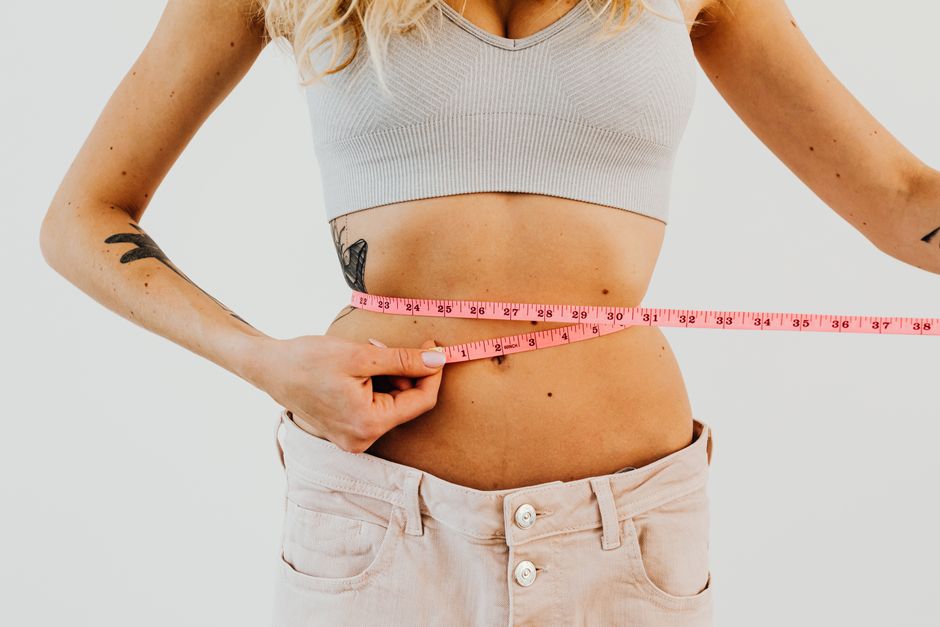
Knowing your body fat percentage tells you more than the scale ever will. The scale shows total weight, but it cannot tell the difference between muscle, bone, water, and fat. Body fat percentage measures the proportion of your total weight that comes from fat tissue. There are four main ways to measure it: skinfold calipers, bioelectrical impedance analysis (BIA), dual-energy X-ray absorptiometry (DEXA), and hydrostatic weighing. Each method varies in accuracy, cost, and accessibility, and each has specific strengths and limitations you should understand before choosing one.
Why Body Fat Percentage Matters More Than Weight
Two people can weigh exactly the same but have completely different health profiles. A person with more muscle and less fat is generally at lower risk for metabolic conditions than someone with the same weight and higher fat mass. This is why body fat percentage is a more useful health marker than BMI alone.
Body Mass Index (BMI) only uses height and weight. It does not account for muscle mass, bone density, or fat distribution. An athlete with high muscle mass can have a BMI in the overweight or obese range without having unhealthy fat levels. Body fat percentage provides a more direct picture of body composition.
Excess body fat, especially around the abdomen, is linked to higher risks of cardiovascular disease, type 2 diabetes, and other metabolic conditions. Tracking body fat percentage over time can show whether your health is improving even when the scale does not move.
Method 1: Skinfold Calipers
Skinfold calipers measure the thickness of a fold of skin and the fat layer directly beneath it at specific body sites. A trained technician pinches the skin at standardized locations and uses the caliper to measure the fold in millimeters. Common sites include the triceps, abdomen, thigh, and chest, depending on the formula used.
The measurements feed into equations that estimate total body fat percentage. The Jackson-Pollock and Durnin-Womersley formulas are the most widely used. These equations were developed using large reference populations and remain standard in clinical and fitness settings.
Accuracy depends heavily on the skill of the person taking the measurements. A well-trained technician can achieve results within about 3.5 percent of a reference method like hydrostatic weighing. An untrained person can easily produce errors of 5 percent or more. The caliper itself must also be quality equipment. Cheap plastic calipers are not reliable.
This method is inexpensive and portable. It is a good option if you have access to a trained professional and want to track changes over time. Consistency matters most. Using the same technician and the same measurement sites each time gives you the most useful trend data.
Method 2: Bioelectrical Impedance Analysis (BIA)
BIA sends a very low, safe electrical current through your body. Muscle contains more water than fat, so it conducts electricity better. The device measures the resistance to the current and uses that reading to estimate fat mass and lean mass.
You have likely seen BIA in action. Many bathroom scales now include this feature. Handheld devices and some gym equipment also use BIA technology. The convenience is unmatched. You step on, hold on, or stand still for a few seconds and get an instant reading.
The accuracy of BIA varies widely. Home scales are the least accurate, with typical errors in the range of 3 to 8 percent. Several factors affect the reading: hydration status, recent food intake, exercise, and even the time of day. Being dehydrated makes the device overestimate body fat. Being well-hydrated can make it underestimate.
For consistent tracking, use the same device under the same conditions every time. Measure in the morning before eating or drinking, after using the bathroom, and before exercising. This reduces variability. Even with these precautions, BIA is best for spotting trends rather than getting a precise number.





Method 3: Dual-Energy X-Ray Absorptiometry (DEXA)
DEXA scans are the clinical gold standard for body composition measurement. The machine uses two low-dose X-ray beams at different energy levels to distinguish between bone, lean tissue, and fat. It provides a detailed breakdown of fat distribution across your entire body, including visceral fat around your organs.
This method is highly accurate, with an error rate typically around 1 to 2 percent. It is also fast, usually taking 10 to 20 minutes. DEXA is commonly used in research settings and medical clinics. Many fitness centers and health clinics now offer DEXA scans directly to consumers.
The radiation exposure is very low, similar to a single dental X-ray. This is not a concern for most healthy adults. However, DEXA is not recommended for pregnant women because of the X-ray exposure, even at low levels.
The main drawback is cost. A single scan typically ranges from $50 to $150 depending on your location and provider. Insurance rarely covers it for body composition purposes. If you want the most accurate measurement available and are willing to pay, DEXA is the strongest choice.
Method 4: Hydrostatic Weighing
Hydrostatic weighing, also called underwater weighing, was the traditional gold standard before DEXA became widely available. The method is based on Archimedes’ principle. Fat is less dense than water, so it floats. Muscle and bone are denser than water, so they sink.
You sit on a scale submerged in a tank of water. After fully exhaling, you are weighed underwater. The technician compares your underwater weight to your weight on land. The difference in density allows the calculation of your fat mass and lean mass.
This method is accurate, with an error rate of about 1 to 3 percent when performed correctly. It requires specialized equipment and trained staff. Not many facilities have the tanks needed for this test. The process can also be uncomfortable for people who are not comfortable being submerged.
Hydrostatic weighing has largely been replaced by DEXA in research and clinical settings. It remains a valid and accurate option, but accessibility is limited. If you have a facility nearby that offers it, the results are reliable.
How To Measure Body Fat Percentage 4 Methods Compared
| Method | Accuracy | Cost | Accessibility | Best For |
|---|---|---|---|---|
| Skinfold Calipers | Good with trained technician | Low | High | Tracking changes over time |
| BIA | Moderate to low | Low | Very high | Trend tracking, home use |
| DEXA | Excellent | High | Moderate | Precise measurement, clinical use |
| Hydrostatic Weighing | Excellent | Moderate | Limited | Accurate measurement when available |
No single method is perfect for everyone. Your choice depends on your budget, access to equipment, and how precisely you need the number. For most people, consistent tracking with any method gives more useful information than a single perfect measurement.
Which Method Should You Choose?
If you want the most accurate result and can afford it, DEXA is the best choice. It gives you a complete picture of your body composition, including where fat is distributed. This is especially useful if you are monitoring visceral fat, which is linked to higher health risks.
If you want a practical option for regular tracking, skinfold calipers with a trained professional are solid. The cost is low and the accuracy is acceptable when measurements are taken correctly. The limitation is that you need the same technician each time to get comparable results.
If convenience is your priority, a BIA scale at home can work. Just understand its limitations. The numbers will fluctuate with hydration and other daily factors. Use it to see trends over weeks and months, not to get a precise daily figure.
Hydrostatic weighing is accurate but hard to find. If a facility near you offers it, it is a valid option. Otherwise, DEXA provides similar or better accuracy with greater comfort and speed.
Regardless of method, consistency is the most important factor. Measure under the same conditions each time. Track your results over months, not days. Body composition changes slowly, and a single reading tells you little about your overall progress.
What Is a Healthy Body Fat Range?
Healthy body fat ranges vary by age and sex. For men, essential fat is about 2 to 5 percent. Athletes typically range from 6 to 13 percent. Fit men range from 14 to 17 percent. Acceptable levels go up to 24 percent, and anything above 25 percent is considered obese.
For women, essential fat is higher because of reproductive functions, around 10 to 13 percent. Athletes range from 14 to 20 percent. Fit women range from 21 to 24 percent. Acceptable levels go up to 31 percent, and above 32 percent is considered obese.
These ranges are general guidelines, not strict rules. Some people feel and perform best at levels outside these ranges. What matters more than the exact number is your overall health, activity level, and how your body fat is distributed. Abdominal fat carries higher health risk than fat stored in other areas, regardless of total percentage.
Frequently Asked Questions
What is the most accurate way to measure body fat?
DEXA scans are the most accurate widely available method, with an error rate of about 1 to 2 percent. Hydrostatic weighing is similarly accurate but less accessible.
How often should I measure my body fat percentage?
Measure every 4 to 6 weeks to see meaningful changes. Daily measurements are too variable and can be misleading.
Can I measure body fat at home accurately?
Home BIA scales provide rough estimates with errors of 3 to 8 percent. They are useful for tracking trends but not for getting a precise number.
Why does my body fat percentage change from day to day?
Hydration, food intake, exercise, and time of day all affect readings, especially with BIA. Measure at the same time under the same conditions for the most consistent results.
