
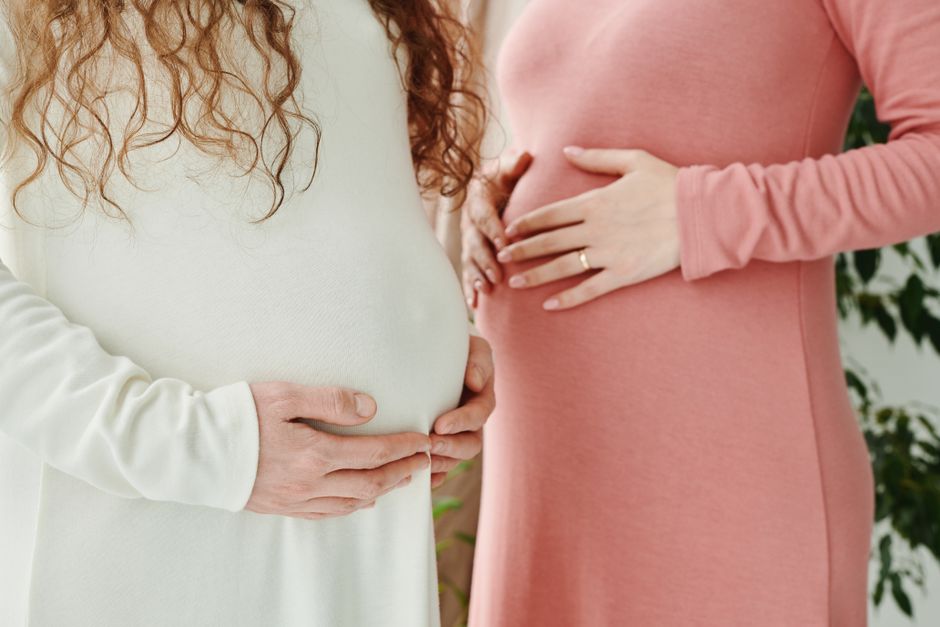
Pregnancy changes your body in ways that last longer than the delivery room. The weight gained to support a growing baby does not disappear on its own schedule, and that surprises many people. The key facts are these: most of the weight gained during pregnancy comes off within the first few weeks after birth, but the last several pounds often take six months or longer to shift. There is no single method that works for everyone, and the timeline depends on factors like how much weight you gained, your pre-pregnancy weight, your activity level, and whether you are breastfeeding.
Why Does Baby Weight Stay After Birth?
Not all pregnancy weight is fat. At delivery, you lose the baby’s weight, the placenta, and amniotic fluid. Over the following weeks, you lose retained water and the extra blood volume your body produced. What remains is usually stored fat, and that fat served a purpose during pregnancy.
During pregnancy, the body deliberately accumulates fat stores to support fetal development and later milk production. This is normal physiology, not a sign that something went wrong. The fat tends to concentrate around the abdomen, hips, and thighs — areas where it can be most stubborn to lose.
Hormones also play a role. Levels of estrogen, progesterone, and cortisol shift dramatically during pregnancy and remain altered for weeks or months afterward. These hormonal changes affect where fat is stored and how readily the body releases it. Sleep deprivation, which is nearly universal in the first months of parenthood, further influences appetite regulation and insulin sensitivity. Research has consistently linked short sleep duration to weight retention in postpartum women.
One factor that gets overlooked: abdominal separation. During pregnancy, the rectus abdominis muscles (the “six-pack” muscles) can separate along the midline, a condition called diastasis recti. This does not cause fat, but it can make the belly look more pronounced even after fat loss. It is a structural issue, not a weight issue, and it requires different attention.
How Long Does It Take to Lose Baby Weight?
Most people lose a significant portion of pregnancy weight in the first six weeks. The rest typically comes off gradually over six to twelve months, though this varies widely.
Research published in the journal Obstetrics & Gynecology followed women over time and found that a substantial number retained some pregnancy weight at six months postpartum. At twelve months, many had returned closer to their pre-pregnancy weight, but a meaningful proportion had not. The strongest predictors of weight retention were how much weight was gained during pregnancy and pre-pregnancy body mass index.
That said, individual timelines vary enormously. Some people return to their pre-pregnancy weight within a few months without deliberate effort. Others find it takes a year or more, and some never return to that exact number — and that is not necessarily a health problem. Body composition can change permanently after pregnancy, even at the same scale weight.
Breastfeeding is often mentioned as a weight-loss tool. The evidence here is mixed. Producing milk does burn calories — roughly 300 to 500 calories per day in exclusively breastfeeding women, according to general clinical estimates. But some studies find that breastfeeding has little effect on long-term weight loss, and a minority of women actually gain weight while nursing because of increased appetite. The relationship is not straightforward.
How To Get Rid Of Baby Fat After Pregnancy: What Actually Works
The approaches with the strongest evidence behind them are not dramatic. They are the same fundamentals that support weight management at any stage of life: a modest calorie deficit, regular movement, adequate sleep, and patience.
Calorie intake. If you are breastfeeding, you need more calories than usual — not fewer. Cutting calories too aggressively while nursing can reduce milk supply and leave you depleted. For non-breastfeeding women, a modest deficit of about 500 calories per day is a commonly cited approach for gradual weight loss, but this should be discussed with a healthcare provider, especially in the first months postpartum. No universal calorie target applies to all postpartum women. Individual needs depend on body size, activity level, and whether you are nursing.
Physical activity. Gentle movement can begin soon after delivery, but the type and timing depend on how you gave birth and whether you had complications. Walking is generally safe early on. More structured exercise typically waits until after a postpartum checkup — usually around six weeks — and clearance from a provider. Once cleared, a mix of cardiovascular activity and strength training tends to be most effective. Strength training matters because it helps preserve muscle mass, and muscle burns more calories at rest than fat.
Sleep. This is the factor people dismiss most often. Chronic sleep deprivation is associated with higher levels of ghrelin (a hunger hormone) and lower levels of leptin (a satiety hormone). In practical terms, poor sleep makes you hungrier and less satisfied by food. It also reduces the energy you have for physical activity. Improving sleep where possible — even in small ways — can make other efforts more effective.
Stress management. Elevated cortisol is linked to increased abdominal fat storage. The postpartum period is stressful by nature, but finding even small ways to reduce chronic stress may support weight loss efforts.
- Eat regular meals with protein, fiber, and healthy fats to stay satisfied
- Stay hydrated, especially if breastfeeding
- Aim for movement most days, building up gradually
- Prioritize sleep whenever the opportunity exists
- Be patient — gradual loss is more sustainable than rapid loss



Does Breastfeeding Help You Lose Baby Weight?
Breastfeeding burns calories, but it does not guarantee weight loss. The evidence on this is genuinely mixed.
Some studies show that exclusive breastfeeding for several months is associated with greater weight loss. Others find no significant difference between breastfeeding and formula-feeding mothers at the same point postpartum. A few studies even suggest that some women retain more weight while nursing.
The reason for the inconsistency likely comes down to individual variation. Breastfeeding increases caloric needs, but it also increases appetite in many women. Whether that translates to weight loss depends on how much you eat relative to how much you burn. It is not automatic.
What is clear: breastfeeding has well-established benefits for infant health and should not be abandoned for weight-loss purposes. If weight loss is a goal, it can be pursued alongside breastfeeding with guidance from a healthcare provider to protect milk supply.
What About Diastasis Recti and Belly Pooch?
A persistent belly after pregnancy is not always fat. Diastasis recti — separation of the abdominal muscles — affects a significant number of postpartum women. It can create a visible bulge even when body fat is low.
This condition is not fixed by diet or general exercise. In fact, certain exercises like crunches and sit-ups can make it worse by increasing pressure on the separated muscles. A physical therapist or postpartum fitness specialist can assess whether you have diastasis recti and recommend safe exercises to help close the gap. In severe cases, surgical repair may be considered, but this is uncommon and typically reserved for cases that do not improve with conservative treatment.
If your belly still looks pregnant months after delivery, it is worth getting assessed. The cause may not be what you think.
When Should You Talk to a Doctor?
Contact a healthcare provider if you experience any of the following:
- Rapid weight loss or weight gain without explanation
- Persistent fatigue that does not improve with rest
- Signs of postpartum depression, such as lasting sadness, loss of interest, or difficulty bonding with your baby
- Severe abdominal pain or a bulge that causes pain
- Thyroid symptoms — pregnancy can trigger thyroid problems, which affect weight
Postpartum thyroiditis is a real condition that can cause both weight gain and weight loss. It is worth ruling out if weight changes seem unusual or unexplained.
Also worth saying plainly: some weight retention after pregnancy is normal and not necessarily a medical problem. The pressure to “bounce back” is largely cultural, not clinical. Health matters more than a number on a scale.
Frequently Asked Questions
How long does it take to lose baby weight?
Most women lose a significant portion within the first six weeks, with the remainder coming off gradually over six to twelve months. Individual timelines vary widely based on weight gained during pregnancy, activity level, and other factors.
Can I diet while breastfeeding?
You can eat with weight loss in mind while breastfeeding, but aggressive calorie restriction can reduce milk supply. Discuss any weight-loss plan with a healthcare provider to make sure you and your baby get adequate nutrition.
Does breastfeeding help you lose weight?
Breastfeeding burns calories, but the evidence on whether it leads to weight loss is mixed. Some women lose weight while nursing; others do not, and some gain. It is not a reliable weight-loss method on its own.
Why is my belly still big months after giving birth?
The cause may be fat, diastasis recti (abdominal muscle separation), or both. A healthcare provider or physical therapist can assess which is involved and recommend appropriate steps.
