
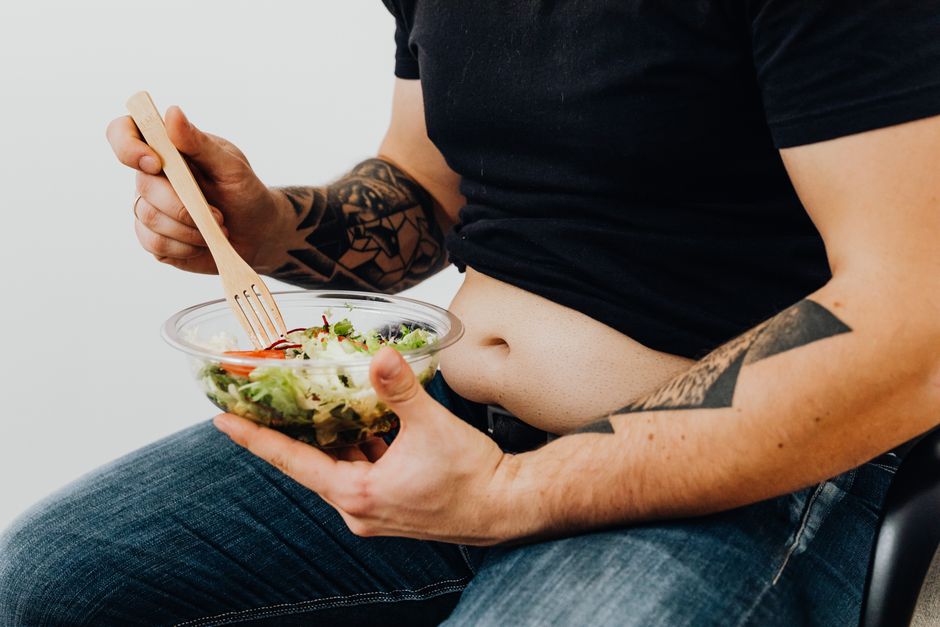
Belly fat is not caused by one food. It comes from a mix of genetics, hormones, sleep, stress, and eating more calories than your body uses over time. The foods most linked to belly fat are sugary drinks, refined grains, and highly processed snacks. To reduce it, focus on whole foods like vegetables, beans, fish, and whole grains.
Visceral fat is the type that matters most for health. It sits deep inside the belly around your organs. This is different from the soft fat just under the skin. Visceral fat is more strongly linked to heart disease and type 2 diabetes than fat stored elsewhere.
What Foods Cause Belly Fat And What To Eat Instead?
No single food directly targets your waistline. But some foods make it easier to gain fat around the middle because of how they affect blood sugar, appetite, and calorie intake.
Sugar-sweetened drinks are the clearest example. Soda, sweet tea, and many fruit juices deliver a lot of sugar without making you feel full. Liquid calories do not trigger the same fullness signals as solid food. This makes it easy to take in more calories than you need.
Refined grains behave in a similar way. White bread, white rice, and most pastries digest quickly. They can spike blood sugar and leave you hungry again sooner.
Highly processed snacks combine refined carbs, added sugar, salt, and fat. This combination is engineered to be hard to stop eating. Research on ultra-processed foods suggests they may lead people to eat more calories overall compared with minimally processed diets.
What to eat instead:
- Vegetables, especially leafy greens and cruciferous ones like broccoli
- Beans, lentils, and other legumes
- Whole grains like oats, barley, and quinoa
- Fish and lean proteins
- Nuts and seeds in modest portions
- Whole fruit instead of juice
These foods tend to be higher in fiber and protein. Both help you feel full and can make it easier to eat less without feeling deprived.
Does Sugar Specifically Cause Belly Fat?
Sugar is not uniquely fattening compared with other calories. But added sugar, especially in liquid form, is strongly associated with weight gain and visceral fat.
Fructose is a type of sugar your body handles differently from glucose. When you eat whole fruit, fiber slows absorption and you get a modest amount. When you drink a large soda, your liver gets a fast, concentrated dose of fructose. The liver can convert excess fructose into fat.
This does not mean fruit causes belly fat. Whole fruit comes packaged with fiber, water, and micronutrients. The evidence linking fruit intake to weight gain is weak. The evidence linking sugary drinks to weight gain is much stronger.
The distinction matters. A can of soda and an apple both contain sugar. Your body does not process them the same way.
Are Refined Carbs Worse Than Fat For Belly Fat?
For most people, the type of carbohydrate matters more than the amount of fat. Refined carbohydrates digest fast and can drive hunger and overeating.
Diets high in refined carbs tend to raise blood sugar quickly. This triggers insulin release. Insulin is a storage hormone. When insulin stays high, your body is less likely to burn stored fat.
This does not mean all carbs are bad. Whole grains, beans, and vegetables are carbohydrates too. They digest slowly and come with fiber. Studies comparing diets often find that quality of carbohydrates matters more than quantity.
Fat is not the enemy either. Foods like olive oil, avocados, and nuts contain fat that can help with fullness. The problem is when fat comes packaged with refined carbs and sugar in processed foods.





How Does Alcohol Affect Belly Fat?
Alcohol adds calories without providing much nutrition. It also can increase appetite and lower your resolve to eat well.
The idea that beer specifically creates a “beer belly” is oversimplified. Alcohol of any type adds calories. Heavy drinking is linked to weight gain and increased waist size in many studies. But moderate drinking does not automatically cause belly fat in everyone.
Alcohol also affects sleep quality. Poor sleep is linked to higher levels of the hunger hormone ghrelin and lower levels of leptin, which signals fullness. This can lead to eating more the next day.
If you drink, keeping it occasional and modest is the general guidance. No specific amount guarantees you will or will not gain belly fat. Individual responses vary.
What About “Healthy” Foods That May Still Add Belly Fat?
Some foods marketed as healthy can still contribute to weight gain if eaten in large amounts. This does not make them bad. It means portion and context matter.
Examples include:
- Trail mix and granola, which can be high in sugar and calories
- Flavored yogurt with added sugar
- Smoothies made with juice and sweetened ingredients
- Whole grain crackers and chips, which are still processed
- Nut butters with added sugar and oil
These foods can fit into a healthy diet. But they are easy to overeat. A handful of trail mix can carry more calories than a full meal.
The label “natural” or “organic” does not mean low calorie. Reading nutrition labels and watching portion sizes matters more than the marketing on the front of the package.
What Eating Pattern Actually Helps Reduce Belly Fat?
There is no single diet that targets belly fat. What works is a pattern you can stick with that keeps you in a modest calorie deficit while providing enough protein and fiber.
Research on the Mediterranean diet and similar eating patterns suggests they may help reduce visceral fat. These diets emphasize vegetables, fruit, legumes, whole grains, fish, olive oil, and nuts. They limit processed foods and added sugar.
Protein helps preserve muscle when you lose weight. Fiber helps with fullness. Both make a calorie deficit easier to maintain.
Sleep and stress matter too. Chronic stress raises cortisol, which is linked to fat storage around the middle. Poor sleep does the same. Diet alone may not be enough if these are not addressed.
Physical activity helps, but you cannot out-exercise a poor diet. Strength training helps preserve muscle. Aerobic activity helps with overall energy balance. Both are useful.
Does the Type of Fat You Store Matter for Health?
Yes. Visceral fat is more harmful than subcutaneous fat. Subcutaneous fat sits just under the skin. Visceral fat wraps around your internal organs.
Visceral fat is metabolically active. It releases inflammatory signals and hormones that can affect how your body handles insulin and blood sugar. Higher visceral fat is linked to heart disease, type 2 diabetes, and some cancers.
You cannot measure visceral fat at home with a scale. Waist circumference gives a rough estimate. A larger waist relative to your height suggests more visceral fat. Your doctor can assess this more precisely if needed.
Losing even a modest amount of weight can reduce visceral fat. This type of fat tends to respond to diet and exercise changes. You do not need to reach an ideal weight to see health benefits.
What Should You Focus On First?
Start with drinks. Cutting sugary beverages is one of the simplest changes with the clearest impact on calorie intake.
Next, look at refined grains and processed snacks. Swapping white bread for whole grain and chips for nuts or fruit can reduce calories without feeling like a diet.
Then add more vegetables, beans, and lean protein. These foods crowd out the ones that make overeating easy.
No food needs to be banned. The goal is a pattern that supports your health most of the time. Small, consistent changes tend to work better than strict rules you cannot maintain.
Frequently Asked Questions
Can certain foods target belly fat specifically?
No food burns belly fat directly. Some foods like fiber-rich vegetables and lean protein help with fullness, which can make it easier to eat less overall.
Is fruit bad for belly fat?
Whole fruit is not linked to belly fat in most studies. Fruit juice and sugary drinks are different because they lack fiber and are easy to overconsume.
Does skipping meals help reduce belly fat?
Skipping meals does not specifically reduce belly fat and can backfire by increasing hunger later. A consistent eating pattern with enough protein and fiber tends to work better.
How long does it take to lose belly fat?
There is no fixed timeline because it depends on your starting point, diet, activity, sleep, and genetics. Visceral fat tends to respond to lifestyle changes, but the pace varies widely between people.
