
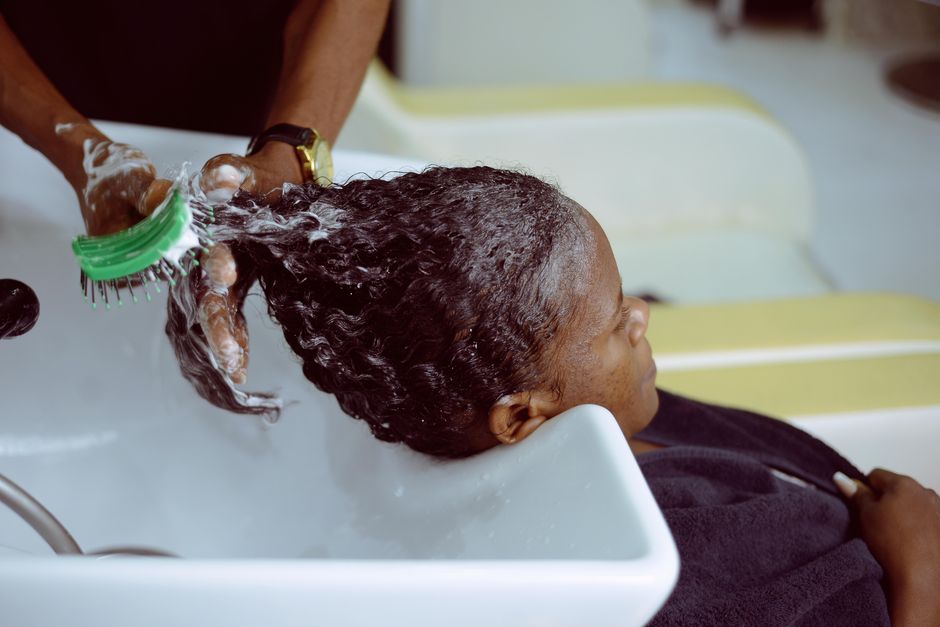
Scalp massage is one of the simplest ways to improve blood flow to your hair follicles, ease tension, and make your scalp healthier. You can do it with your fingertips, a scalp massager tool, or while washing your hair. Here is the step-by-step process: Start by placing your fingertips firmly on your scalp, then move them in small circles, applying gentle pressure. Work your way from the front of your head to the back, covering your entire scalp for 5 to 10 minutes. Repeat this daily or a few times a week for the best results.
Why Massage Your Scalp at All?
Your scalp is skin, just like the skin on your face or arms. It has blood vessels, nerves, and hair follicles rooted beneath the surface. Massaging increases blood flow to that area. More blood flow means more oxygen and nutrients reach your hair follicles.
Some research suggests this can support hair health. A small study published in the journal ePlasty found that participants who massaged their scalps daily for 24 weeks had thicker hair than those who did not. The study was small, so the results are not definitive. But the mechanism makes sense: better circulation supports follicle function.
Scalp massage also feels good. It relaxes the muscles around your head and neck. Many people use it to relieve stress and headaches. Even if the hair benefits are still being studied, the relaxation benefit is real and immediate.
How To Massage Scalp: Step by Step
You do not need any special equipment for a basic scalp massage. Your fingers are enough. Here is the full process:
Step 1: Position Your Hands Correctly
Place your fingertips on your scalp, not your nails. Spread your fingers so they cover a wide area. Your thumbs can rest on the sides of your head or behind your ears. Keep your fingers slightly curved so the pads of your fingers make contact with the scalp.
Step 2: Apply Firm, Even Pressure
Press down gently but firmly. You should feel the skin move against your skull, not just your hair moving. If it hurts, you are pressing too hard. If you cannot feel anything, press a little more. The right pressure is similar to the pressure you would use to massage a sore muscle.
Step 3: Use Small Circular Motions
Move your fingertips in small circles about the size of a coin. Do not slide your fingers across the scalp. Keep them in one spot and move the skin in circles. This targets the deeper layers of tissue rather than just moving hair around.
Step 4: Cover Your Entire Scalp
Start at your forehead and work backward. Move your fingers in sections, covering the top, sides, and back of your head. Do not forget the area just above your neck. Spend about 30 seconds on each section. A full session should take 5 to 10 minutes.
Step 5: Finish with Long, Slow Strokes
Once you have covered your whole scalp, use your palms to make long, slow strokes from your forehead back toward your neck. This is calming and helps blood settle after the more vigorous circular motions. Repeat this five to ten times to finish.
Scalp Massage During Hair Washing
Washing your hair is a natural time to massage your scalp. The shampoo provides slip, which reduces friction and makes it easier to move your fingers without pulling hair.
Use the same circular motions described above. Work the shampoo into your scalp with your fingertips for about two to three minutes. This is enough time to clean your scalp and stimulate blood flow without over-washing or irritating your skin.
One caution: do not use your nails to scrub your scalp during washing. Scratching can create tiny cuts in your scalp, which can become infected. Use the pads of your fingers only.




Using a Scalp Massager Tool
Handheld scalp massagers with silicone or plastic bristles are popular. They can cover more surface area than your fingers and require less effort. Some people find them more comfortable because the bristles distribute pressure evenly.
To use one, move it in slow circles across your scalp, just like you would with your fingers. Apply light to moderate pressure. Do not press hard enough that the bristles dig into your skin. Use it on dry or damp hair, whichever feels better to you.
There is no strong evidence that a tool is better than your fingers. The benefit comes from the massage itself, not the specific tool. Choose whichever method you will actually do consistently.
How Often Should You Massage Your Scalp?
Daily massage is safe for most people. Five minutes a day is enough to get the circulation benefits. If you have sensitive skin or a scalp condition like psoriasis or eczema, start with two to three times per week and see how your scalp reacts.
If you notice redness, irritation, or soreness after massaging, reduce the pressure or frequency. Your scalp should feel relaxed, not tender afterward. If pain persists, stop and consult a dermatologist.
Consistency matters more than duration. A five-minute massage every day is better than a 30-minute massage once a month.
Can Scalp Massage Help With Hair Growth?
This is the question most people want answered. The honest answer is that the evidence is limited but promising.
The small study mentioned earlier showed measurable thickening after 24 weeks of daily massage. Other research has looked at stretching the skin of the scalp, which is what massage does. Stretching skin cells in a lab setting encourages them to divide and produce more hair. This is indirect evidence, though, not proof in humans.
Scalp massage will not cure pattern baldness. It will not regrow hair on completely bald areas where follicles have stopped producing hair. But for people with thinning hair or healthy hair who want to maintain it, massage is a low-risk practice that may support follicle health.
Some dermatologists recommend scalp massage as part of a broader hair care routine, alongside proven treatments like minoxidil. It is not a replacement for medical treatment. Think of it as supportive care, not a cure.
Scalp Massage for Headaches and Stress Relief
The tension-relieving benefits of scalp massage are on stronger scientific ground than the hair growth benefits. Your scalp muscles are connected to the muscles in your neck and jaw. Tension in one area often spreads to the others.
Massaging the scalp relaxes these muscles and can reduce tension-type headaches. Some studies on massage therapy in general show it lowers cortisol, the stress hormone, and increases serotonin and dopamine, the feel-good chemicals. This is why scalp massage feels relaxing and why it is often used in spa treatments.
If you get frequent tension headaches, try a scalp massage at the first sign of tightness. Focus on the base of your skull and your temples, where tension tends to build up. Use slow, firm pressure in those areas.
Common Mistakes to Avoid
Several mistakes can turn a helpful practice into an irritating one. Here is what to watch for:
- Using your nails. Nails scratch the scalp and can cause micro-injuries. Always use the pads of your fingers.
- Pressing too hard. Aggressive pressure can cause bruising and inflammation. Gentle to moderate pressure is all you need.
- Rubbing instead of massaging. Sliding your fingers across the scalp mainly moves hair and creates friction. Circular motions that move the skin are more effective.
- Rushing. A 30-second rub is not a massage. Give yourself at least five minutes.
- Massaging irritated skin. If you have an active rash, sunburn, or open sores on your scalp, wait until the skin heals before massaging.
Avoid these and your scalp massage will be comfortable and beneficial.
Who Should Not Massage Their Scalp?
Most people can safely massage their scalp. But some situations require caution.
If you have a skin infection, active psoriasis flare, or severe dandruff with open skin, massage can spread irritation. Wait until the condition is under control. If you have recently had scalp surgery or have a healing wound, do not massage the area until your doctor clears it.
People with blood clotting disorders or those taking blood thinners should use very light pressure. Massage increases blood flow, which is usually good, but it can cause bruising in people with bleeding risks. If you are unsure, ask your doctor before starting a regular massage routine.
Pregnant women can massage their scalps safely, but should avoid lying flat on their backs for long periods. Sitting upright or reclining slightly is fine.
Frequently Asked Questions
How long should a scalp massage last?
Five to ten minutes per session is enough to stimulate blood flow and relax the scalp muscles. You can do this daily if your scalp is not irritated.
Can scalp massage regrow hair?
Some small studies suggest daily massage may thicken existing hair, but it will not regrow hair on completely bald areas. It is supportive care, not a proven treatment for hair loss.
Is it better to massage your scalp with fingers or a tool?
Neither method is proven superior. Fingers give you better control over pressure, while tools cover more surface area with less effort. Choose whichever you will do consistently.
Should I massage my scalp on wet or dry hair?
Both work. Wet hair with shampoo reduces friction and is ideal during washing, while dry hair allows for more precise pressure control. Avoid massaging wet hair without shampoo, as it can cause more pulling and breakage.
