
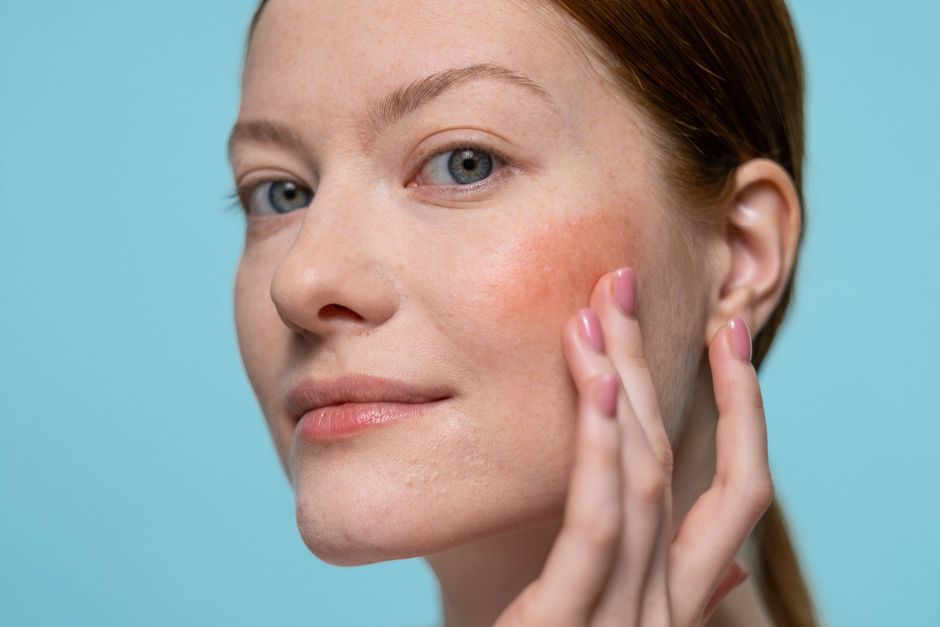
Rosacea flares are manageable, and redness can be reduced with the right combination of skin care, trigger avoidance, and medical treatment. The key is understanding that flare-ups are driven by blood vessel activity and inflammation beneath the skin surface, not by poor hygiene or weak skincare. While there is no cure, most people can achieve significant control by identifying their personal triggers, using gentle barrier-repairing products, and following a dermatologist-led treatment plan that targets the specific type of rosacea they have.
What Is Rosacea and Why Does Redness Happen?
Rosacea is a chronic inflammatory skin condition that mainly affects the central face. It is not acne, though it is sometimes mistaken for it. The redness comes from dilated blood vessels near the skin surface. When these vessels widen, more blood flows through them, which creates that persistent flush or blush appearance.
The exact cause is not fully understood. Research points to a combination of genetic predisposition, an overactive immune response, and environmental factors. Some studies suggest that a microscopic mite called Demodex folliculorum, which lives in hair follicles, may play a role in some cases. The mite is present on most adult skin, but people with rosacea often have higher numbers of it. This does not mean rosacea is contagious. It simply means the skin’s immune system may be reacting more strongly to the mite than it should.
There are four main subtypes of rosacea. The most common is erythematotelangiectatic rosacea, which involves persistent redness and visible blood vessels. Papulopustular rosacea looks like acne, with red bumps and pus-filled pimples. Rhinophyma causes thickened skin on the nose, mostly in men. Ocular rosacea affects the eyes, causing dryness, burning, and irritation. Knowing which subtype you have matters because treatment differs for each.
How To Manage Rosacea Flares And Reduce Redness: Key Facts
The most effective approach combines trigger avoidance, gentle skincare, and medical treatment. No single strategy works for everyone, but most people find that a layered plan gives the best results.
Start with trigger identification. Common triggers include sun exposure, hot or spicy foods, alcohol — especially red wine — hot beverages, extreme temperatures, stress, and certain skincare ingredients. Keep a simple diary for two to three weeks. Write down what you ate, what you applied to your skin, what the weather was like, and when the flare started. Patterns usually emerge quickly.
Sun protection is non-negotiable. Ultraviolet light is one of the most consistently reported triggers for rosacea flares. Use a broad-spectrum sunscreen with an SPF of 30 or higher every day, even when it is cloudy. Choose a mineral-based formula containing zinc oxide or titanium dioxide, as these are less likely to irritate sensitive skin than chemical filters.
Temperature extremes are another major trigger. Very hot showers, saunas, steam rooms, and cold winter wind all cause blood vessels to dilate or constrict rapidly. Lukewarm water is safer for washing your face. In winter, protect your face with a scarf and avoid going from freezing outdoor air directly into a hot room.
What Skincare Routine Works Best for Rosacea-Prone Skin
Less is more when it comes to rosacea skincare. The skin barrier in rosacea patients is often impaired, meaning it loses water more quickly and lets irritants in more easily. A simple, consistent routine repairs that barrier over time.
Cleanse once or twice daily with a gentle, fragrance-free cleanser. Look for products labeled “soap-free” or formulated for sensitive skin. Avoid physical scrubs, washcloths, and cleansing brushes. These create micro-tears in the skin and trigger flares. Apply cleanser with your fingertips and rinse with lukewarm water. Pat the skin dry with a soft towel. Never rub.
Moisturizer is essential, even if your skin feels oily. Rosacea skin needs hydration to function properly. Choose a moisturizer with ceramides, niacinamide, or hyaluronic acid. These ingredients support the skin barrier and help retain water. Avoid products with alcohol, witch hazel, menthol, eucalyptus oil, peppermint, or fragrance. These ingredients are common in “toners” and “cooling” products, but they irritate rosacea skin.
Apply moisturizer to damp skin within three minutes of cleansing. This locks in hydration. If your skin still feels tight, apply a second thin layer. Some dermatologists recommend a barrier repair cream containing shea butter or squalane, especially in dry climates or winter months.




Which Ingredients Actually Reduce Rosacea Redness
Some ingredients have strong evidence behind them. Others are marketing noise. Here is what the research supports.
Azelaic acid is one of the best-studied topical treatments for rosacea. It reduces both redness and bumps. It works by calming inflammation and normalizing how skin cells shed. It is available in prescription strengths of 15% to 20%, and in lower over-the-counter concentrations. Prescription strength is more effective.
Metronidazole is another proven topical treatment. It has been used for decades to treat rosacea. It reduces inflammatory lesions and redness. It comes in gel, cream, and lotion forms. Some people find it irritating at first, but it usually settles down after a few weeks.
Ivermectin cream is a newer option that targets Demodex mites and inflammation. Clinical trials have shown it reduces both bumps and redness. It is often used when azelaic acid or metronidazole has not worked well enough.
Niacinamide, also called vitamin B3, has some evidence for reducing rosacea redness and improving skin barrier function. A few small studies show benefit, though the evidence is not as strong as for azelaic acid or metronidazole. It is a reasonable addition to a moisturizer if your skin tolerates it.
Centella asiatica, also known as cica or tiger grass, is popular in skincare for calming redness. Some research supports its anti-inflammatory effects, but large clinical trials specific to rosacea are limited. It may help as part of a gentle routine, but it should not replace proven medical treatments.
When Do You Need Prescription Treatments or Procedures
Over-the-counter products can help with mild redness, but they rarely control moderate to severe rosacea alone. If you have persistent redness that does not improve, visible blood vessels, or bumps that look like acne, see a dermatologist.
Topical prescriptions are the first line of medical treatment. Your dermatologist may prescribe azelaic acid, metronidazole, or ivermectin. These are applied once or twice daily. It takes 8 to 12 weeks to see the full benefit. Many people give up too early because they do not see immediate results. Patience matters.
Oral antibiotics are sometimes used for papulopustular rosacea. Doxycycline at a low dose is the most common choice. At low doses, it works as an anti-inflammatory rather than an antibiotic, which reduces the risk of bacterial resistance. It is usually prescribed for a limited course, not indefinite use.
For persistent redness and visible blood vessels, laser and light therapies are the most effective options. Intense pulsed light (IPL) and vascular lasers such as pulsed dye laser target dilated blood vessels. They heat the vessels, which then collapse and are absorbed by the body. Multiple sessions are usually needed, and results vary. These procedures are not covered by most insurance plans because they are considered cosmetic, even though the redness is a medical symptom.
Isotretinoin is reserved for severe, treatment-resistant rosacea. It is a powerful medication with significant side effects. It is used only when other treatments have failed and under close medical supervision. It is not a first-line option.
What Makes Rosacea Flares Worse: Hidden Triggers
Some triggers are obvious. Sun, heat, and alcohol are well known. Others are less obvious and catch people off guard.
Hot beverages trigger flares in many people, even if the drink itself is not spicy or alcoholic. The heat alone causes blood vessels to dilate. If you notice this, let your coffee or tea cool before drinking it.
Stress is a major trigger that people often underestimate. Stress hormones cause blood vessels to widen. Stress management is not just good for your mental health. It is a legitimate part of rosacea management. Deep breathing, adequate sleep, and regular movement all help.
Certain medications can trigger flares. Niacin (vitamin B3) supplements cause flushing in many people. Some blood pressure medications, particularly calcium channel blockers, can worsen redness. Topical steroids, even over-the-counter hydrocortisone, can cause a severe rebound flare on the face. Never use steroid creams on rosacea unless a dermatologist specifically prescribes them for a short time.
Skincare products are a hidden trigger for many. Fragrance, essential oils, and alcohol are the most common culprits. Even products labeled “natural” or “for sensitive skin” can contain irritants. When trying a new product, patch test it on your jawline for a few days before applying it to your whole face.
Lifestyle Changes That Support Rosacea Management
Diet plays a role, but it is not the same for everyone. Spicy foods, alcohol, and hot drinks are the most common dietary triggers. Some people also react to histamine-rich foods like aged cheese, cured meats, and fermented foods. There is no universal rosacea diet. The best approach is to track what you eat and notice patterns.
Exercise is beneficial, but it can trigger flushing. The heat and increased blood flow from vigorous exercise cause flares in some people. This does not mean you should stop exercising. It means you should manage the conditions. Exercise in a cool environment, avoid outdoor exercise during the hottest part of the day, and cool down gradually rather than stopping suddenly.
Sleep quality affects rosacea indirectly. Poor sleep increases stress hormones and inflammation. Aim for consistent sleep. If flushing is worse in the morning, it may be related to your sleep environment. A cool bedroom and breathable bedding can help.
Frequently Asked Questions
Can rosacea be cured permanently?
No, rosacea cannot be cured. It is a chronic condition, but it can be managed effectively with the right combination of trigger avoidance, skincare, and medical treatment.
What is the fastest way to calm a rosacea flare?
Move to a cool environment, rinse your face with lukewarm water, and apply a gentle fragrance-free moisturizer. Avoid cold water, ice, or alcohol-based products, as these cause rebound dilation and can make the flare worse.
Is sunscreen necessary for rosacea in winter?
Yes. Sun exposure triggers flares year-round, and ultraviolet light reaches the skin even on cloudy days. Use a mineral sunscreen with SPF 30 or higher daily, regardless of the season.
Does rosacea get worse with age?
Rosacea often progresses without treatment, and visible blood vessels may become more prominent over time. Consistent treatment and sun protection slow this progression significantly.
