
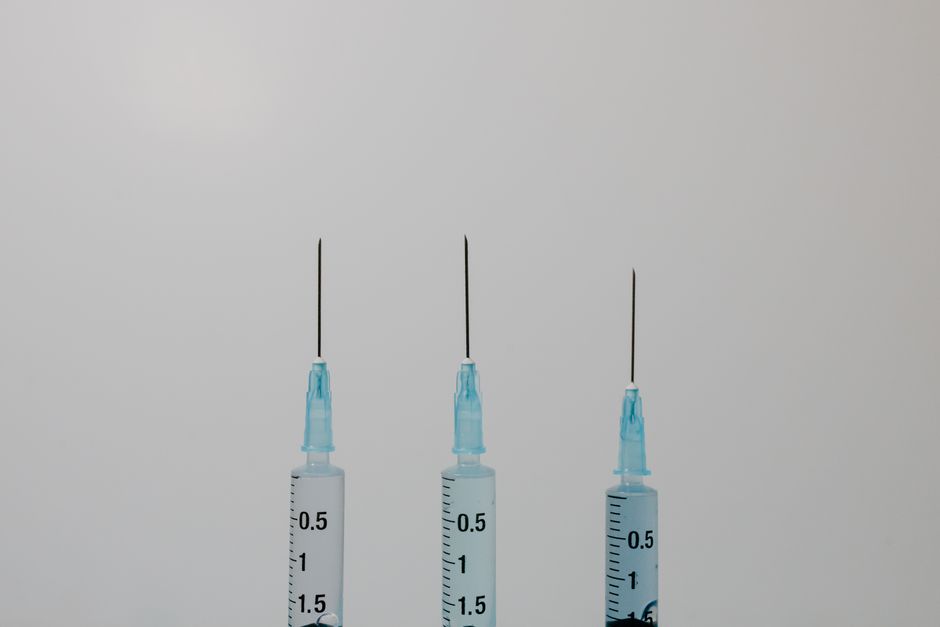
Pio shots, short for pioglitazone injections, are not a standard way to take this diabetes medication. Pioglitazone is almost always an oral tablet. If you are using the term “pio shots” to describe daily insulin injections or another injectable diabetes medicine, the strategies to reduce pain are the same. The most proven way to reduce injection pain is to use a short, thin needle and inject into a pinched fold of skin on the abdomen.
Why Do Diabetes Shots Hurt So Much?
Most of the pain from a subcutaneous injection comes from the needle tip touching nerve endings in the skin. The skin has thousands of pain receptors. The fat layer just below the skin has very few.
The goal is to get the needle through the skin quickly and into the fat layer in one smooth motion. Hesitation causes the needle to drag and tear microscopic tissue. That tearing is what you feel as a sharp sting.
Another source of pain is the medication itself. Some injectable diabetes drugs cause a burning sensation as the liquid spreads into the tissue. This is different from needle pain. It feels like a deep warmth or ache that lasts for a minute or two after the needle is out.
Use a Shorter and Thinner Needle
Needle length and thickness are the two biggest factors in injection pain. Longer needles reach deeper tissue where nerve density is higher. Thicker needles create a larger wound channel.
Most modern insulin pens use 4-millimeter needles. These are short enough to reach the subcutaneous fat layer in most adults regardless of body weight. They do not reach muscle in the vast majority of people.
Needle thickness is measured in gauge. A higher gauge number means a thinner needle. Common sizes are 31-gauge and 32-gauge. The 32-gauge needle is thinner and generally causes less pain.
If you are using syringes instead of a pen, ask your pharmacist about the shortest and thinnest option available. Many people switch to pen devices specifically because the needles are shorter and sharper.
Inject Into a Pinched Fold of Skin
Pinching a fold of skin lifts the fat layer away from the muscle underneath. This ensures the medication goes into the fat and not into the muscle.
Injecting into muscle is more painful. Muscle has more nerve endings and more blood flow. Medication absorbs faster from muscle, which can also change how the drug works.
Use your thumb and index finger to gently pinch about an inch of skin. Hold the pinch firmly but not tightly enough to cause bruising. Insert the needle at a 45-degree angle if you have less body fat. Use a 90-degree angle if you have more fat tissue.
Release the pinch only after the needle is fully inserted. This keeps the tissue stable and prevents the needle from wobbling.




Let the Alcohol Dry Completely
Many people wipe the injection site with an alcohol swab and inject immediately. This is a common mistake.
Alcohol on the skin stings when the needle passes through. The sensation is sharp and burning. It is not the needle that hurts in this case. It is the alcohol entering the puncture wound.
Wait at least 30 seconds after swabbing. The alcohol needs to evaporate fully. You know it is dry when you cannot smell it anymore.
If you do not use alcohol swabs at all, wash your hands and the injection site with soap and water. Dry the area completely before injecting.
Rotate Your Injection Sites
Injecting into the same spot repeatedly causes tissue damage. The fat layer becomes hard and lumpy over time. This condition is called lipohypertrophy.
Injecting into hardened tissue is more painful. It also absorbs medication less predictably. Your blood sugar levels can become erratic because the medicine is not being absorbed consistently.
Rotate within the same general area rather than moving to completely different body parts. For example, move around the abdomen in a clockwise pattern. Keep each injection at least one finger-width away from the previous site.
Do not inject into areas where you can feel lumps, bumps, or hardened tissue. These are signs of damage and should be avoided.
Warm the Medication Before Injecting
Cold medication causes more pain. The liquid spreads into the tissue at a lower temperature, which triggers a burning sensation.
Remove the pen or syringe from the refrigerator about 30 minutes before you plan to inject. Let it sit at room temperature. Do not microwave it and do not run it under hot water. Heat can damage the medication.
Once a pen is in use, most manufacturers say it can be kept at room temperature for a certain period. Check the package insert for your specific medication. Some pens are stable at room temperature for up to 28 days after first use.
If you use insulin, room-temperature insulin is also more comfortable. Cold insulin is a common cause of the stinging sensation that happens after the needle is removed.
Use a New Needle Every Time
Needles are single-use devices. Reusing a needle dulls the tip. A dull needle requires more force to penetrate the skin and causes more tissue damage.
Even one reuse can bend or dull the microscopic tip. The damage is not visible to the naked eye but is easily felt during injection.
Reused needles also carry bacteria. Injecting with a used needle increases the risk of skin infection at the injection site. This is both a pain issue and a safety issue.
Always remove the needle from the pen after each injection. Leaving the needle attached allows air to enter the pen and medication to leak out. It also increases the chance you will reuse it.
Inject Slowly but Do Not Hesitate
The needle insertion should be quick and smooth. Slow insertion drags the needle through the skin and causes more pain. A fast, decisive push gets through the skin layer before the pain signal reaches your brain.
The medication itself should be injected slowly. Pushing the plunger too fast creates pressure inside the tissue. That pressure causes a burning sensation.
After injecting, count to ten before removing the needle. This allows the medication to disperse into the tissue. Removing the needle too quickly can cause some medication to leak back out.
Press on the injection site with a dry cotton ball or gauze after removing the needle. Do not rub. Rubbing can irritate the tissue and cause bruising.
Numb the Skin Before Injecting
Some people benefit from numbing the skin before injection. This is not necessary for everyone but can help those with high needle anxiety.
An ice cube applied to the skin for 15 to 30 seconds before injection can numb the area. Dry the skin completely before injecting. Moisture on the skin can affect how the needle penetrates.
Over-the-counter numbing creams containing lidocaine can also be used. Apply the cream about 30 minutes before injection and cover it with a bandage. Wash the area thoroughly before injecting because lidocaine can interfere with the medication.
Talk to your doctor before using numbing products regularly. Some people develop skin irritation from repeated use.
Relax the Muscle Under the Injection Site
Tension increases pain. A tense muscle is harder and denser. The needle has to push through more resistance.
Sit down and rest your arm or leg in a relaxed position before injecting. If you are injecting into the abdomen, sit back and let your stomach muscles go loose. Do not stand and tense up.
Deep breathing during the injection reduces tension. Take a slow breath in before inserting the needle, then breathe out slowly as you push the plunger. This natural relaxation response reduces the perception of pain.
Frequently Asked Questions
Does injecting into the abdomen hurt less than other sites?
Yes, the abdomen generally has more fat and fewer nerve endings than the arms or thighs. The abdomen is also easier to reach and pinch properly.
Can I use an ice pack to numb the injection site?
Yes, applying ice for 15 to 30 seconds before injection can numb the skin and reduce pain. Dry the skin completely before injecting.
Why does my injection site burn after the needle is removed?
This is usually the medication itself spreading into the tissue, not the needle. Injecting slowly and warming the medication to room temperature can reduce this burning sensation.
How often should I change my injection site?
Rotate sites with every injection, keeping each new site at least one finger-width away from the last one. Consistent rotation prevents tissue damage and keeps absorption predictable.
