
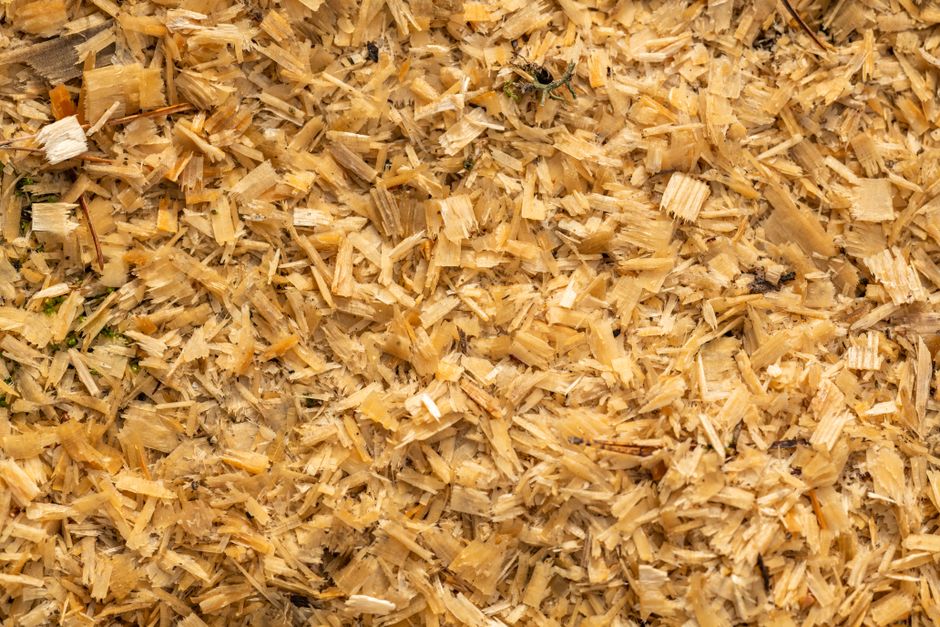
Making your own wood chips is simpler than most people think. If you have a chipper, the job takes minutes. If you do not, you can still make usable wood chips with a hammer, a wedge, or even a drill. The method you choose depends on how many chips you need and what you plan to use them for. Here is how to make wood chips with or without a chipper, using tools you likely already own.
What Are Wood Chips Actually Used For?
Wood chips serve many practical purposes around a home and garden. Gardeners use them as mulch to retain soil moisture and suppress weeds. Landscapers spread them on paths and playground surfaces. Woodworkers and hobbyists use them for smoking meat, composting, or making pressed wood products.
The size and consistency of your chips matter for different tasks. Fine chips break down faster in compost. Coarse chips last longer as mulch. Knowing your end use helps you choose the right method and tool.
How To Make Wood Chips With A Chipper
A wood chipper is the fastest and most efficient tool for this job. It is also the safest when used correctly. Chippers work by pulling branches through a feeding mechanism where rotating blades slice the wood into small pieces.
Start with dry or seasoned wood. Green wood is harder to chip and can clog the machine. Branches should be no thicker than the chipper’s rated capacity, usually printed on the machine or in the manual. For most home chippers, that is 2 to 3 inches in diameter.
Feed branches butt-end first. Let the machine pull the wood in at its own speed. Never force a branch or push it with your hands. Use a push stick for short pieces. Wear safety glasses, hearing protection, and gloves. Loose clothing and long hair are serious hazards around a chipper.
If your chipper produces uneven pieces, adjust the blades or check for dullness. Dull blades tear wood instead of cutting it, which produces stringy, uneven chips. Sharpen or replace blades regularly for consistent results.
How To Make Wood Chips Without A Chipper: Manual Methods
You do not need a power tool to make wood chips. Manual methods take longer but work well for small batches. These are the most reliable options.
Using A Hammer And Chisel
Place a piece of wood on a sturdy surface. Score the wood across the grain with a sharp chisel. Strike the chisel with a hammer to split off thin layers. Continue until you have the amount you need.
This method produces rough, irregular chips. It works best for softwoods like pine or cedar. Hardwoods like oak are difficult to chip this way and will wear out your tools quickly.
Using A Hatchet Or Axe
An axe can produce wood chips, but not the kind you might expect. Chopping wood creates small fragments and splinters as a byproduct. Collect these pieces for mulch or compost.
To make more deliberate chips, place a branch on a chopping block and strike at an angle. The glancing blow shears off small pieces. This takes practice and produces inconsistent sizes, but it is a legitimate no-tool method.
Using A Drill And Spade Bit
A power drill with a large spade bit can create wood shavings and small chips. Clamp the wood securely to a workbench. Drill into the end grain or across the surface. The bit cuts and ejects small pieces as it spins.
This method works for small projects like smoking chips or craft use. It is slow and produces limited volume. Do not attempt this with a cordless drill on hardwoods — it will stall the motor.





What About A Lawnmower Or Leaf Blower?
Some online sources suggest running leaves or small twigs over with a lawnmower to make mulch. This does work for leaves and very fine twigs. It does not produce true wood chips. The result is shredded plant matter, not chips.
A leaf blower with a vacuum function can shred dry leaves into fine mulch. Again, this is not wood chipping. If you need actual wood chips for paths or smoking, these methods will not give you what you want.
Safety Considerations For Manual Chipping
Manual wood chipping carries real injury risk. Flying splinters can hit your eyes. A missed hammer strike can crush fingers. A dull chisel can slip and cut your hand.
Always wear safety glasses and heavy work gloves. Secure the wood with a clamp or vise before striking. Never hold a piece of wood in one hand while striking it with a tool in the other. Keep your free hand away from the strike zone.
Children should never perform manual chipping. Even supervised, the risk of injury is too high for young hands.
How To Dry And Store Wood Chips
Fresh wood chips contain significant moisture. Green chips can weigh twice as much as dry ones. They also decay faster and may develop mold if stored improperly.
Spread fresh chips in a thin layer on a tarp or concrete surface. Let them air dry for several days to a week, depending on humidity. Stir them daily to promote even drying.
Store dry chips in a breathable container like a burlap sack or a wooden bin. Plastic bags trap moisture and encourage rot. Keep them off the ground to prevent insects and moisture absorption.
Which Wood Types Make The Best Chips?
Not all wood produces the same quality of chips. Softwoods like pine, fir, and cedar chip easily and dry quickly. They make fine mulch but can lower soil pH slightly as they decompose.
Hardwoods like oak, maple, and hickory produce denser, longer-lasting chips. They are better for paths and smoking meat. Hickory and apple wood are prized for barbecue because of their flavor.
Avoid pressure-treated lumber, painted wood, or wood with visible rot. These contain chemicals or pathogens that can harm plants or people. Use only clean, untreated wood for any project involving food or soil.
Common Mistakes When Making Wood Chips
Most mistakes come from using the wrong tool for the job. Trying to chip wet, green wood in a manual method wastes time and energy. Attempting to feed oversized branches into a chipper risks jamming or damaging the machine.
Another common error is ignoring blade maintenance. Dull chipper blades produce poor results and strain the motor. Sharp blades cut cleanly and safely.
People also underestimate the volume they need. A cubic yard of mulch covers about 100 square feet at a 3-inch depth. That is a lot of chipping by hand. Plan your project before you start.
Frequently Asked Questions
Can I make wood chips with a regular kitchen knife?
No. A kitchen knife is too flexible and too dull for wood. Use a chisel or hatchet designed for woodwork.
How long does it take to chip wood by hand?
Manual chipping produces roughly a handful of chips per minute with softwood. A full bucket takes 30 to 60 minutes of steady work.
Are fresh wood chips safe for garden mulch?
Yes, but they can temporarily reduce nitrogen in the soil as they decompose. Aged chips or composted chips are safer for vegetable beds.
What is the best wood for smoking meat?
Hardwoods like hickory, oak, and fruit woods are best. Avoid softwoods like pine because they produce unpleasant resin and smoke.
