
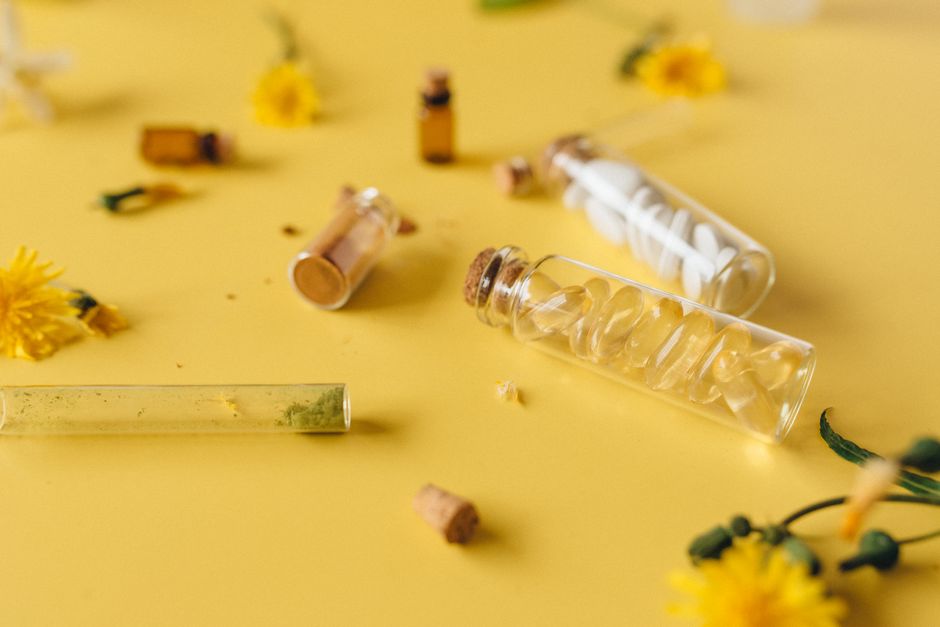
Opening a glass vial without breaking it comes down to three things: using the right tool, scoring the neck correctly, and snapping it away from your body. You can use a purpose-made vial opener, a file, or even the edge of a hard surface in a pinch. The goal is a clean break at the scored line, not a shattered mess of glass shards.
Why Do Glass Vials Break Unevenly?
Glass vials are designed with a weak point. Most have a thin score line around the neck, usually a painted ring or a visible indentation. That line is where the vial is meant to break. When you snap a vial, you are not cutting the glass. You are applying pressure that causes the glass to fracture along that pre-weakened line.
Vials break unevenly when the pressure is applied off-center. If you bend the neck at an angle instead of straight back, the fracture follows the path of least resistance. That path can run down the side of the vial, creating sharp edges or sending shards into the liquid. It can also completely shatter the top if the glass has microscopic cracks from poor handling or temperature shock.
Another common cause of breakage is using too much force. A vial neck is thin. It does not need a strong grip. A quick, controlled snap works better than a slow, heavy bend. The faster the break, the cleaner the edge.
What Is The Safest Way To Snap The Neck?
Hold the vial body firmly in one hand. Wrap your thumb and index finger around the body, keeping your fingers below the neck. With your other hand, hold the top of the vial between your thumb and index finger. Your grip should be close to the score line, not at the very top of the cap.
Apply pressure in two directions at once. Push the top away from you with your thumb while pulling the body toward you with your other hand. This creates a clean bending force at the score line. Do not twist. Twisting can cause the glass to shatter instead of snap.
Snap quickly and decisively. A hesitant, slow bend puts uneven stress on the glass. Once the top separates, set it down carefully. The broken top is still sharp and can cut you if you handle it casually.
Always break the vial away from your face and body. Point the top away from you and anyone nearby. If the vial contains liquid, hold it upright or slightly tilted so the contents do not spill when the top comes off.
What Tools Can You Use To Open A Glass Vial?
You do not always have a dedicated opener nearby. Several everyday tools work well. Each has its own level of risk and reliability.
- Vial opener (ampoule opener): The safest option. These small plastic or metal devices fit over the top of the vial. You insert the vial top, press down, and the opener snaps the neck cleanly. They cost a few dollars and are widely available online or at pharmacies.
- Emery file or nail file: If the vial does not have a score line, or the line is faint, you can create your own. Hold the file at a right angle to the neck and draw it across the glass several times. This scratches a weak point. Then snap as described above. A metal nail file works. A glass file or carbide file works better.
- Edge of a hard surface: In an emergency, you can tap the top of the vial against the edge of a counter or table. This is less controlled and more likely to cause shattering. It works best with vials that already have a clear score line. Tap gently and increase force only if needed.
- A towel or cloth: Wrapping the vial in a cloth before snapping does not make the break cleaner, but it does catch fragments. It also protects your fingers if the glass shatters unexpectedly. This is a good practice when you are new to opening vials or when the glass feels unusually thin.
Do not use your teeth. Do not use pliers unless the vial is already scored and you can grip the top without crushing it. Pliers can easily crush the glass and send shards flying.





How Do You Open A Vial Without A Score Line?
Some vials, especially older designs or certain medication vials, do not have a visible score line. These require you to create a weak point yourself. A glass file or a diamond file is the best tool for this.
Hold the file firmly and draw it across the neck in one direction several times. Do not saw back and forth. Sawing creates a rough, jagged scratch that can cause an uneven break. A single-direction stroke creates a smooth, shallow groove. You want a groove that goes about a quarter of the way around the neck.
After scoring, wet the scratch with a drop of water or alcohol. This helps the fracture travel cleanly. Then snap the neck using the same two-handed technique described above. If the vial still does not break, score it again in the same spot. Do not increase force.
If you have no file at all, you can use the edge of a ceramic plate or the unglazed bottom of a coffee mug. These surfaces are hard enough to scratch glass. It takes more passes than a file, but it works. This is a common technique in laboratories and kitchens alike.
How To Open A Glass Vial Without Breaking It
The phrase “without breaking it” usually means without shattering it into dangerous fragments. A clean break at the neck is the goal. The vial itself is no longer usable after opening, but the liquid inside is safe to access.
Here is the step-by-step method that produces the cleanest break most consistently:
- Inspect the vial. Look for cracks, chips, or a missing score line. If the glass is damaged, discard it.
- Tap the top of the vial gently to settle any liquid back into the body. This prevents liquid from pooling in the neck where it can interfere with the snap.
- Hold the vial body firmly. Keep your fingers below the score line.
- Grip the top with your other hand. Keep your grip close to the score line.
- Snap the top away from you with a quick, controlled motion. Push with your thumb, pull with your fingers.
- Check the opening for glass fragments. If you see any, wipe the rim with a sterile gauze pad before using the contents.
This method works for both glass ampoules (which are fully sealed and require snapping the entire top) and glass vials with rubber stoppers (where you only remove a metal or plastic cap). For vials with rubber stoppers, you usually do not need to break glass at all. The metal band around the stopper can be peeled back with a small tool or your fingernail.
What Should You Do If The Vial Shatters?
If the glass breaks into multiple pieces, stop. Do not try to use the liquid. Glass shards can be microscopic and invisible to the naked eye. Injecting or swallowing even a tiny fragment of glass can cause serious injury.
Discard the vial and its contents. Clean the area thoroughly. Use a damp paper towel to pick up small fragments. Do not use your bare hands. If the liquid is a medication, contact your pharmacist for a replacement. Do not attempt to filter the liquid through a cloth or coffee filter. Filtration does not reliably remove all glass particles.
If you cut yourself, wash the wound with soap and water and apply pressure. Seek medical attention if the cut is deep or if glass remains embedded.
Are There Differences Between Ampoules And Vials?
Yes. The terms are often used interchangeably, but they refer to different containers.
An ampoule is a completely sealed glass container. The top is melted shut. You must break the glass to access the contents. Ampoules are common for single-dose medications and injectables. They require the snapping technique described throughout this article.
A vial has a rubber stopper secured by a metal or plastic cap. You do not break the glass to open it. You remove the cap and access the liquid through the rubber stopper with a needle. Vials are multi-dose containers. The rubber stopper can be punctured multiple times with a fresh needle each time.
If you are holding a vial with a rubber stopper, do not try to snap the glass. You will break the entire container. Instead, peel back the metal band or flip off the plastic cap. Some vials have a colored plastic flip-off button that pops off with a thumb press.
Frequently Asked Questions
Can I open a glass vial with my bare hands?
Yes, if the vial has a score line. Hold the body firmly, grip the top close to the score line, and snap away from your body. If the vial has no score line, you need a file or another hard surface to create one.
What is the best tool to open a glass vial?
A dedicated vial opener is the safest and most reliable tool. It fits over the top and snaps the neck cleanly with minimal effort. An emery file or nail file also works well for scoring the glass.
How do I remove glass fragments from a vial after opening?
Wipe the rim with a sterile gauze pad or a clean, lint-free cloth. If you see visible fragments inside the liquid, discard the vial. Do not attempt to filter the liquid, as microscopic glass particles can pass through most filters.
Is it safe to open a glass ampoule with a towel?
Wrapping the ampoule in a towel is a good safety practice. It catches fragments if the glass shatters. It does not make the break cleaner, but it does protect your hands from cuts.
