
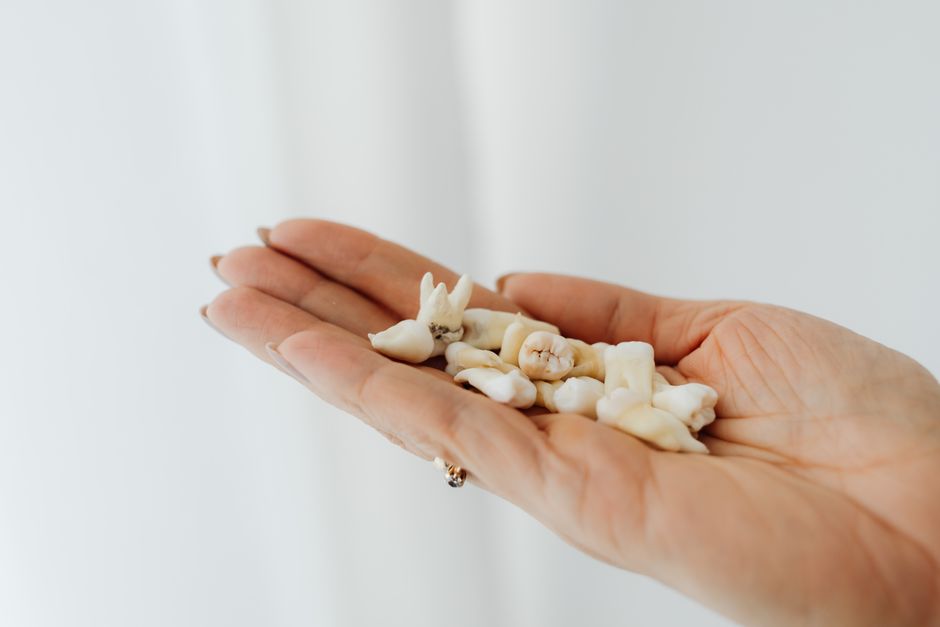
Getting your wisdom teeth removed is a common surgery, but the recovery can feel slow. The good news is that how you care for the socket in the first few days directly controls how fast you heal. To speed up recovery, you need to protect the blood clot, manage swelling with ice, and stick to a soft food diet. Following your surgeon’s specific aftercare instructions is the single most important step you can take.
What Actually Happens During Healing?
Your body starts repairing the extraction site immediately. A blood clot forms in the socket within the first 24 hours. This clot is not just a scab — it is the foundation for new tissue and bone growth. If that clot dislodges, you expose the bone and nerves underneath. This painful condition is called dry socket.
Over the next two weeks, the clot is slowly replaced by granulation tissue. This is a mix of new blood vessels and collagen. Over the next few months, the bone fills in completely. You cannot speed up bone growth, but you can protect the early stages so complications do not slow you down.
Most people feel significantly better by day three or four. The visible hole in your gums takes several weeks to close completely. Full tissue healing often takes about six weeks. Knowing this timeline helps you set realistic expectations.
How To Make Wisdom Teeth Heal Faster After Removal: The First 24 Hours
The first day sets the tone for your entire recovery. Your primary goal is to keep that blood clot firmly in place. This means avoiding anything that creates suction or pressure in your mouth.
Do not spit, rinse, or drink through a straw for at least 24 hours. Do not smoke or vape. The sucking motion can pull the clot right out of the socket. The negative pressure is a direct cause of dry socket. Instead, if you need to clear your mouth, lean over the sink and let saliva dribble out.
Apply an ice pack to your cheek for 20 minutes on and 20 minutes off. Do this for the first 24 hours only. Ice reduces swelling by constricting blood vessels. After 24 hours, ice no longer helps because the swelling has already peaked. At that point, switch to a warm compress if you have jaw stiffness.
Take pain medication exactly as prescribed. If you were given antibiotics, finish the entire course. Do not stop early even if you feel fine. The goal is to prevent infection in a wound that cannot be cleaned easily.
Protecting the Blood Clot: What To Avoid
Dry socket is the most common complication after wisdom tooth removal. It typically occurs three to five days after surgery. The pain is intense and radiates to your ear, eye, or neck. It happens when the clot is lost before the wound has healed enough to protect the bone.
Certain habits dramatically increase your risk. Smoking is the biggest one. The chemicals in tobacco also reduce blood flow to the gums, which slows healing on top of the suction risk. Research consistently shows that smokers have significantly higher rates of dry socket than non-smokers.
Avoid carbonated drinks for at least a week. The bubbles create pressure changes in your mouth. Avoid hot liquids like coffee or soup for the first 24 hours. Heat can dissolve the clot. Avoid crunchy, sticky, or chewy foods for at least a week. Nuts, chips, popcorn, and seeds can lodge in the socket and cause infection.
Do not brush your teeth near the extraction site for the first 24 hours. You can brush other teeth gently. After 24 hours, you can rinse your mouth gently with warm salt water. Mix half a teaspoon of salt in a glass of warm water. Swish gently and let it fall out naturally. Do not spit forcefully.



Foods That Support Faster Healing
Your body needs protein, vitamins, and minerals to build new tissue. But you cannot chew, so your food choices are limited. The key is getting adequate nutrition without irritating the wound.
Good options include smoothies, protein shakes, yogurt, applesauce, mashed potatoes, scrambled eggs, and blended soups. These require no chewing and are easy to swallow. Make sure smoothies are not too cold if your teeth are sensitive. Do not use a straw. Eat with a spoon.
Add protein powder to smoothies or milk. Protein is essential for wound repair. Your body uses amino acids to rebuild the gum tissue and bone. Vitamin C is also important because it helps produce collagen, the main structural protein in your gums.
Stay hydrated. Drink plenty of water, but sip it from a glass. Dehydration slows every healing process in your body. Avoid alcohol entirely for at least 48 hours. Alcohol thins the blood and can interfere with pain medications.
Managing Pain and Swelling Properly
Swelling peaks at about 48 hours after surgery. This is normal and expected. Your face may look puffy, and you may have some bruising. This is not a sign that something is wrong. It is your immune system sending fluid and white blood cells to the area.
Use ice packs for the first day to minimize the peak swelling. After that, the swelling will gradually go down over the next few days. Some people find that sleeping with their head elevated on extra pillows reduces throbbing. This uses gravity to reduce blood flow to the area.
Take pain medication before the local anesthetic wears off. Do not wait until you are in severe pain. For the first 48 hours, take your medication on a schedule as prescribed. After that, take it as needed. Over-the-counter ibuprofen is often effective for mild to moderate pain. Acetaminophen is an alternative if you cannot take ibuprofen.
If you experience severe pain that is not controlled by medication, contact your surgeon. If the pain gets worse instead of better after day three, call your surgeon. This could be a sign of dry socket or infection. Do not try to manage severe pain at home.
When To Call Your Surgeon
Most recoveries are uneventful. But complications can happen, and early treatment is important. Knowing the warning signs helps you act quickly.
Call your surgeon if you have fever above 101°F, severe pain that medication does not touch, bleeding that does not stop with pressure, or pus draining from the socket. Numbness that lasts more than a few hours after the anesthetic should wear off is also a reason to call.
Some bleeding for the first 24 hours is normal. If you see bright red blood pooling in your mouth, bite down on a gauze pad placed directly over the socket for 30 minutes. Apply firm pressure. If bleeding continues after that, call your surgeon.
Swelling that gets worse after day three or four is not normal. Swelling should peak around day two and then gradually improve. If it increases, you may have an infection. Do not wait to see if it resolves on its own.
Lifestyle Factors That Slow Healing
Your overall health affects how fast your mouth heals. Sleep is one of the most underrated factors. Your body does most of its tissue repair while you sleep. Aim for at least eight hours of rest each night during the first week.
Chronic stress also slows healing. Stress hormones like cortisol suppress immune function. This makes it harder for your body to fight off bacteria and rebuild tissue. Find ways to relax, even if it is just watching a movie or listening to music.
If you have diabetes, your healing will be slower. High blood sugar impairs immune function and reduces blood flow to tissues. Keep your blood sugar in your target range during recovery. If you take medication for diabetes, continue it as prescribed.
Poor oral hygiene before the surgery can also delay healing. Bacteria in your mouth can contaminate the wound. This is why your surgeon may recommend a professional cleaning before the extraction if your teeth are heavily coated in plaque.
Frequently Asked Questions
How long does it take for wisdom teeth holes to close?
The hole usually closes completely in about six weeks. The gum surface may feel smooth after three to four weeks, but the deeper tissue takes longer to fill in.
Can I drink coffee after wisdom teeth removal?
Avoid hot coffee for at least 24 hours because heat can dissolve the blood clot. After that, lukewarm coffee is fine, but do not use a straw.
How do I know if I have dry socket?
Dry socket causes severe throbbing pain that starts three to five days after surgery. The pain often radiates to your ear or eye, and you may see an empty-looking socket without a blood clot.
Can I brush my teeth after wisdom tooth extraction?
Do not brush near the extraction site for the first 24 hours. After that, brush gently and avoid the socket area for at least a week.
