
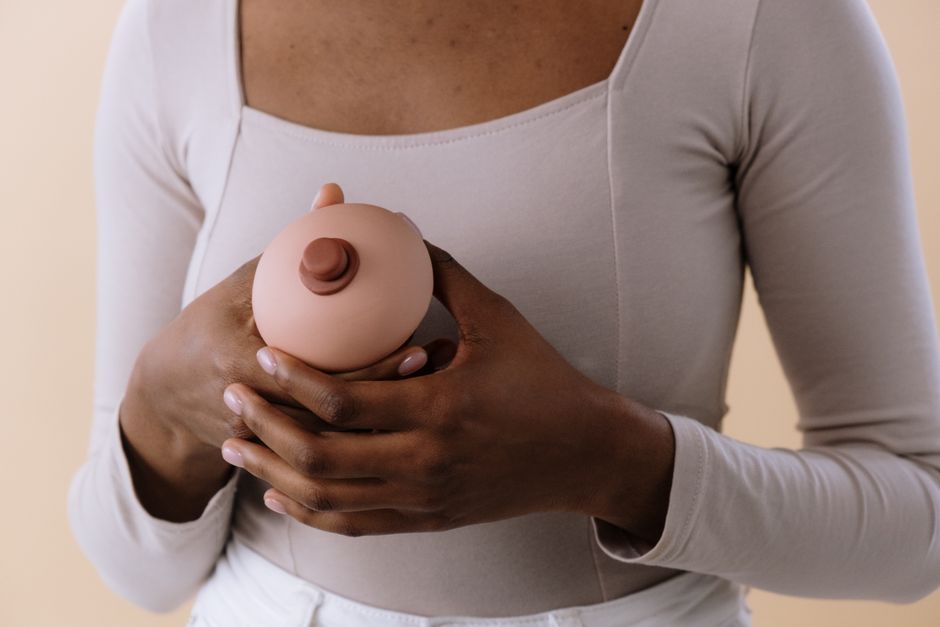
Nipple fissures are small cracks or breaks in the skin of the nipple, usually at the base where the nipple meets the areola. They are one of the most common reasons women stop breastfeeding earlier than planned. The good news is that most fissures heal within a few days to a couple of weeks when the underlying cause is corrected — and the underlying cause is almost always how the baby is latching, not the mother’s skin or pain tolerance.
What Actually Causes A Nipple Fissure?
Fissures are mechanical wounds. Something is repeatedly damaging the skin, and until that force stops, the damage keeps happening.
In the vast majority of cases, that force is a shallow latch. When a baby takes only the nipple instead of a good mouthful of breast tissue, the tongue and gums compress the nipple against the hard palate rather than drawing milk from the deeper breast. That friction and pressure breaks the skin. A 2017 review of breastfeeding pain research noted that poor positioning and attachment are the most consistently identified contributors to nipple trauma.
Other causes matter too, but they are less common:
- Tongue-tie or lip-tie that limits how far the tongue can extend and cup the breast
- Engorgement, which flattens the nipple and makes a deep latch physically harder
- Flat or inverted nipples, which can make latching more difficult in the early weeks
- Strong let-down that causes the baby to clamp down to slow the flow
- Improper pump flange size, which can cause the same friction as a bad latch
- Thrush or a bacterial infection, which can cause skin breakdown that does not respond to latch correction
One clarification worth making: fissures are not a sign that your nipples are “too sensitive” or that breastfeeding simply is not for you. They are a sign that the mechanics need adjusting. That distinction matters, because it points to a fixable problem.
How To Heal A Nipple Fissure While Breastfeeding?
The single most effective step is to correct the latch. Everything else is supportive care. If the latch stays shallow, no cream or ointment will fix the problem, because the injury keeps being recreated at every feeding.
A good latch looks and feels different from a shallow one. The baby’s mouth should be wide open with the chin pressed into the breast and the nose clear. More areola is visible above the top lip than below the bottom lip. The nipple should come out of the baby’s mouth rounded, not flattened or creased like a new lipstick. If you feel a sharp pinching pain that lasts the whole feeding rather than just the first few seconds, the latch is likely too shallow.
A lactation consultant can observe a feeding and identify what is going wrong. This is the fastest route to healing, and it is worth the appointment. Many hospitals, birth centers, and WIC programs offer this service at low or no cost.
While the latch is being corrected, these steps support healing:
- Start feeds on the less sore side. The baby sucks more vigorously at the start of a feeding, so beginning on the less damaged nipple reduces pain and further trauma there.
- Express a little milk before latching. This softens the breast and can trigger let-down, so the baby does not have to work as hard at the start.
- Break the suction properly. Slip a clean finger into the corner of the baby’s mouth before removing them from the breast. Pulling off without breaking suction is a common cause of new cracks.
- Let nipples air-dry after feeds. Pat them gently or let them air dry completely before covering. Moisture trapped under a bra or pad softens skin and slows healing.
- Use expressed breast milk on the nipples. Breast milk has antimicrobial properties, and applying a few drops and letting them dry is a traditional and low-risk practice. The evidence that it speeds healing compared to other approaches is limited, but it is not harmful.
- Change nursing pads often. Wet pads keep the skin damp and create conditions for bacterial or fungal growth.
Do not scrub or vigorously wash the nipples. Soap and harsh washing strip natural oils and can worsen irritation. Plain water in the shower is enough.
Do Nipple Creams And Ointments Actually Help?
Some do, and the evidence is strongest for two categories: medical-grade lanolin and hydrogel dressings.
Lanolin is a purified wool wax that forms a protective barrier and keeps the skin from drying and cracking further. It is generally considered safe for the baby and does not need to be wiped off before feeding. Some people develop a sensitivity to it, so if irritation worsens rather than improves, stop using it.
Hydrogel dressings are moist wound-healing pads that can be chilled before use. Some research suggests they reduce pain and speed healing compared to dry dressings or lanolin alone. They are more expensive, but they can be useful for severe fissures.
What does not have good evidence: rubbing expressed milk into the nipple and letting it air dry is widely recommended, but the clinical evidence that it heals fissures faster than doing nothing is thin. All-purpose ointments and antibiotic creams are not recommended unless a clinician has diagnosed an infection, because they can introduce new irritants and do not address the mechanical cause.
If a fissure is not improving after a week of corrected latch and supportive care, or if it is getting worse, that is a signal to see a clinician. Persistent fissures can become infected, and infections need specific treatment.



When Should You See A Doctor Or Lactation Consultant?
See a lactation consultant early — ideally within the first few days of noticing pain. Early correction prevents the fissure from deepening and prevents the cycle of pain, poor milk transfer, and reduced supply that often follows.
See a doctor promptly if you notice any of the following:
- Increasing pain rather than improvement over several days
- Redness, swelling, or warmth spreading beyond the nipple
- Fever, chills, or flu-like feelings, which can signal mastitis
- A deep crack that bleeds or produces pus
- Shiny, itchy, or burning skin around the nipple that does not improve with latch correction — this can suggest a yeast infection such as thrush, which needs antifungal treatment for both mother and baby
- A fissure that has not healed after two weeks of consistent care
Do not push through severe pain. Pain that continues through an entire feeding is not normal and is not something to endure. It is a signal that the mechanics need to change.
Can You Keep Breastfeeding With A Fissure?
Yes, in most cases. Continuing to breastfeed is usually the right approach, because stopping and restarting can make latching harder and can reduce milk supply. The fissure heals while feeding continues, as long as the latch is corrected.
If the pain is severe enough that you cannot feed on one side, you can pump that breast and feed from the other, then return to both sides as healing progresses. Pumping with a correctly sized flange does not cause the same friction as a bad latch, so it can give the damaged side a rest without reducing supply.
In rare cases where a fissure is deep, infected, or accompanied by significant pain, a clinician may recommend a short break from direct feeding on that side. This is a clinical decision, not a self-directed one. If you are considering stopping breastfeeding because of pain, talk to a lactation consultant or clinician first — most women who get the right support are able to continue.
What Does Not Help — And What To Avoid
Several common practices either do not help or make things worse.
- Harsh soaps, alcohol, or hydrogen peroxide on the nipples. These dry and damage skin and delay healing.
- Nipple shields used without guidance. They can help in some situations but can also reduce milk transfer and worsen latch problems if not fitted and used correctly.
- Pushing through pain to “toughen up” the nipples. Nipples do not toughen through damage. Pain that persists through a feeding is a sign of a mechanical problem, not a sign to endure.
- Assuming it will resolve on its own. Fissures caused by a shallow latch will not heal while the shallow latch continues.
The most important thing to understand is that a nipple fissure is a solvable problem. It is not a reflection of your ability to breastfeed. It is a mechanical issue with a mechanical fix, and with the right support, most women heal and continue breastfeeding successfully.
Frequently Asked Questions
How long does a nipple fissure take to heal?
Most fissures improve within a few days once the latch is corrected, with full healing typically within one to two weeks. If a fissure is not improving after two weeks of consistent care, see a clinician.
Can I breastfeed with a cracked nipple?
Yes, in most cases you can and should continue breastfeeding while the fissure heals, as long as the latch is corrected. If pain is severe, pumping the affected side temporarily can give it a rest without reducing supply.
Is it normal for breastfeeding to hurt?
Mild tenderness in the first few days is common, but pain that lasts through an entire feeding or causes cracking is not normal. Persistent pain usually means the latch needs adjusting.
What cream is safe to use on a nipple fissure while breastfeeding?
Medical-grade lanolin and hydrogel dressings are the best-supported options and generally do not need to be wiped off before feeding. Avoid antibiotic ointments unless a clinician has diagnosed an infection.
